
Mama, I’m Alive
1977
No user ratings available yet
Representation score: 5.6 out of 10
Representation Score
Minimal
1971
GDirector
Étienne Périer
Runtime
101 minutes
Average Rating
No ratings yetNew Showbiz Analysis
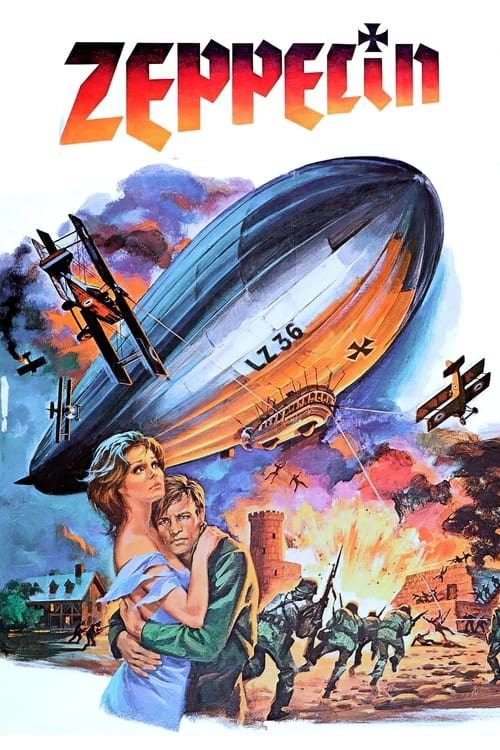
Zeppelin is a traditional historical drama that upholds established social and professional hierarchies. The narrative structure is based on norms of masculinity and Western homogeneity. While the film accurately reflects the social constraints of its historical setting, it does not aim to challenge these conventions. It prioritizes showcasing technical achievements and institutional authority over diverse representation. Ultimately, the film serves as an accurate portrayal of early 20th-century aeronautical culture rather than a work that questions social norms.
Category Breakdown
The film does not include any characters with non-binary gender identities or same-sex relationships. The character interactions follow the assumption that everyone is straight or cisgender.
The story is driven by male engineers and crew members, highlighting masculine roles of command. Female characters are mainly used as secondary figures or emotional support rather than taking active roles in the plot.
The cast is predominantly made up of European and American actors, with no visible non-white characters having significant roles. The focus remains on Western technological achievements within an Anglo-Germanic context.
The film presents a traditional historical adventure centered around professional duties. It does not critique Western institutions, religion, or capitalism.
There is no representation of neurodivergence or physical disabilities. The storyline emphasizes the physical and mental endurance needed for aeronautical navigation.
Present on Screen
Limited or Absent
Official Synopsis
The outbreak of World War I places Scots officer Geoffrey Richter-Douglas in an uncomfortable position. Although his allegiance is to Britain, his mother was from an aristocratic Bavarian family, and he spent his summers in Germany as a child. When Geoffrey is approached by a German spy who offers him a chance to defect, he reports the incident to his superiors, but instead of arresting the spy they suggest that he accept her offer--and become an Allied agent. In Germany, among old friends, Geoffrey discovers that loyalty is more complicated than he expected, especially when he finds himself aboard the maiden voyage of a powerful new prototype Zeppelin, headed for Scotland on a secret mission that could decide the outcome of the war.
1977

1939

1944

1941

1931

1936
1941

1937
No reviews yet. Be the first to share your thoughts on this movie!
Use the rating form above to leave a star rating and optional review.