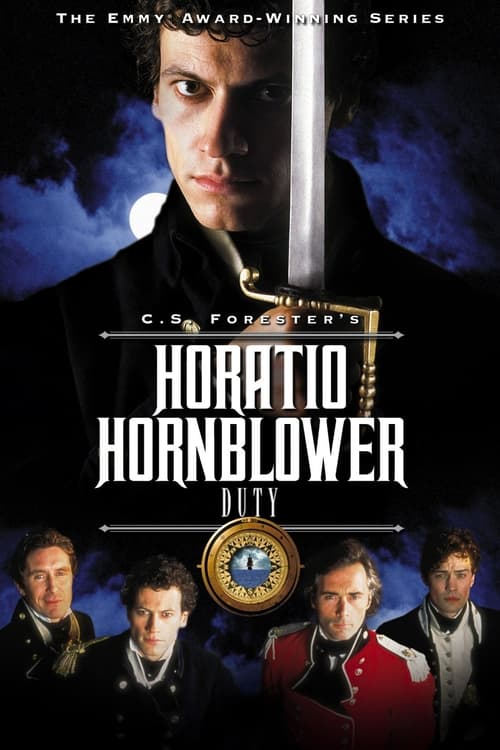
Hornblower: Duty
2003
No user ratings available yet
Representation score: 0.2 out of 10

Representation Score
Minimal
2003
NRDirector
Andrew Grieve
Runtime
125 minutes
Average Rating
No ratings yetNew Showbiz Analysis
Hornblower: Loyalty is a traditional period piece that upholds the social norms of the early 19th century. By focusing on the historical context, the film reinforces established hierarchies and gender roles. The production mirrors the demographics and social structures of the Napoleonic era, avoiding contemporary perspectives on diversity and inclusion. The story emphasizes male leadership and the preservation of Western military traditions. Ultimately, the film celebrates duty and institutional stability, offering limited representation for underrepresented groups or non-traditional identities.
Category Breakdown
The film does not include any non-straight or non-cisgender identities. There are no instances of same-sex relationships or intimacy.
The story centers around a highly masculine military environment where women have very little influence or control over the plot. Traditional gender roles are reinforced.
The cast is predominantly white, reflecting the historical demographics of the Napoleonic-era Royal Navy. Characters of color have minimal impact on the story.
The film highlights Western and British imperial values, emphasizing naval discipline, patriotism, and respect for authority.
The film does not address visible or invisible disabilities. Characters are defined by their military rank and physical abilities rather than any health conditions.
Present on Screen
Limited or Absent
Official Synopsis
Hornblower must deliver a French nobleman to a secret rendezvous near Brest, all while coping with enemy agents in his own ranks.
2003
1951
1999

2015
1999
2001

2001
1998
No reviews yet. Be the first to share your thoughts on this movie!
Use the rating form above to leave a star rating and optional review.