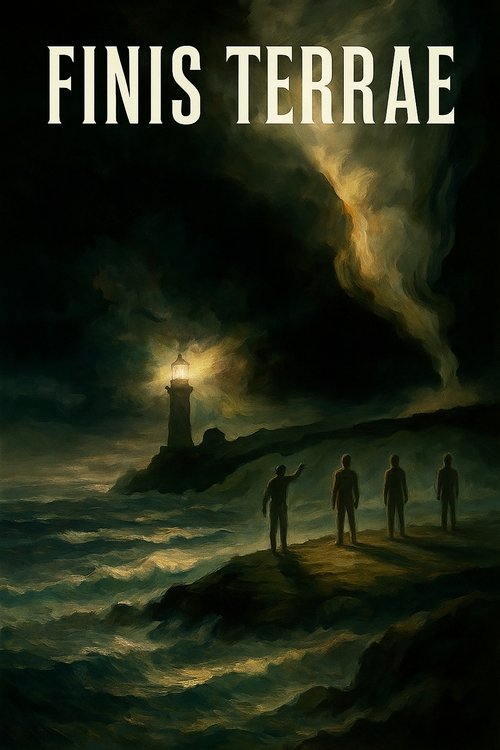
Finis Terræ
1929
No user ratings available yet
Representation score: 3.5 out of 10
Representation Score
Fair
1938
Director
Jean Epstein
Runtime
87 minutes
Average Rating
No ratings yetNew Showbiz Analysis
Jean Epstein’s background in French Impressionism suggests a film that emphasizes subjective emotional experiences and visual artistry. This approach often disrupts conventional narrative structures and explores intense human desires. While the main plot follows a traditional romantic storyline, the director's history of challenging cinematic realism offers potential for character depth. The film appears to balance traditional elements with stylistic innovation. Ultimately, the work lacks clear evidence of diverse identities or the subversion of societal hierarchies. Despite its avant-garde style, it adheres to the narrative conventions of its time.
Category Breakdown
The story focuses on a heterosexual romance between a sailor and an innkeeper. There is no explicit mention of LGBTQ+ identities or non-straight relationships.
The story centers on a female innkeeper, which may offer opportunities for psychological depth and autonomy. However, it is unclear if the film challenges traditional gender roles from the 1930s.
The lost island setting allows for exploration of isolation and 'the other.' However, there is no confirmation of specific non-white actors in the cast.
The isolated island setting suggests a focus on localized social structures rather than institutional religion. This may emphasize subjective morality over formal religious practices.
There is no information available about characters with physical, sensory, or neurodivergent traits.
Present on Screen
Limited or Absent
Official Synopsis
A sailor falls in love with an innkeeper on a lost island.
1929
1938
1929
1951
1937

1950
1947

1932
No reviews yet. Be the first to share your thoughts on this movie!
Use the rating form above to leave a star rating and optional review.