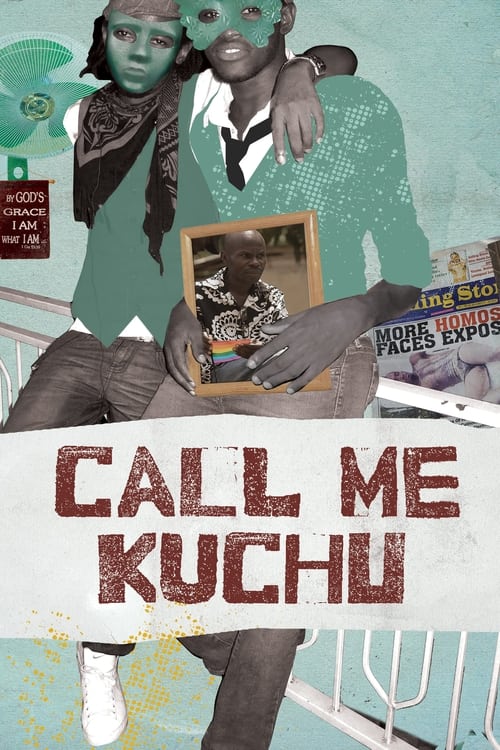
Call Me Kuchu
2012
No user ratings available yet
Representation score: 7.2 out of 10
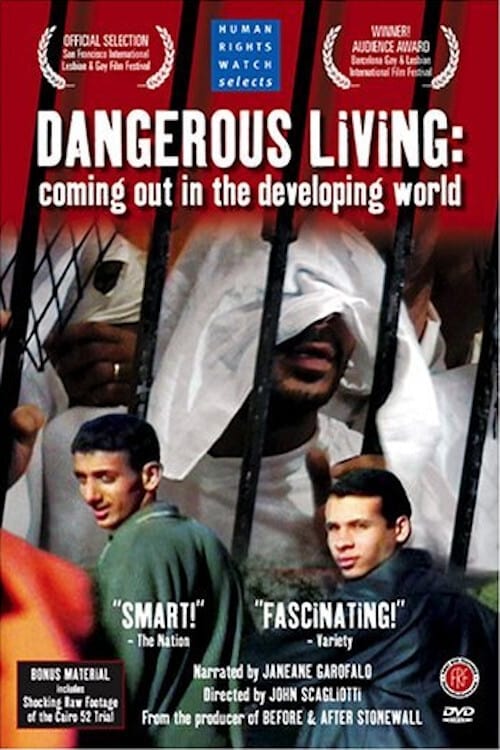
Representation Score
Good
2003
Director
John Scagliotti
Runtime
62 minutes
Average Rating
No ratings yetNew Showbiz Analysis
John Scagliotti presents a nuanced exploration of identity and resilience by highlighting the voices of LGBTQ+ individuals in the Global South. By focusing on the ability to act of individuals navigating systemic hostility and colonial-era laws, the film disrupts Western-centric reporting. Through its multi-layered approach to race, nationality, and identity, the documentary offers a robust platform for non-Anglo-Saxon voices.
Category Breakdown
The film focuses on the lives of LGBTQ+ individuals, especially those with non-traditional gender identities, and examines the challenges they face in the Global South.
The documentary looks at how traditional gender roles affect personal expression and contrasts this with the reality of gender-nonconforming individuals. It highlights the tension between rigid roles and gender diversity.
The film features a wide range of voices from Africa, Asia, and Latin America, providing a broad perspective that avoids a Western-centric viewpoint. It prioritizes the viewpoints of people of color.
Using a post-colonial lens, the film critiques Western-imposed laws and morals. It portrays religious and state institutions as barriers to individual identity.
There is no information available to assess the representation of physical or neurodivergent disabilities within this work.
Present on Screen
Limited or Absent
Official Synopsis
A feature-length documentary that explores the immense changes that occurred for gays, lesbians and transgender people living in the Global South. In the last decade of the 20th Century, a new heightened visibility began spreading throughout the developing world and the battles between families, fundamentalist religions, and governments around sexual and gender identity had begun. But in the West, few people knew about this historic social upheaval, until 52 men on Cairo’s Queen Boat discothèque were arrested for crimes of debauchery. That explosive story focused attention to the lives and trials of gay people coming out in the developing world and the film chronicles those events.
2012
1996
2015
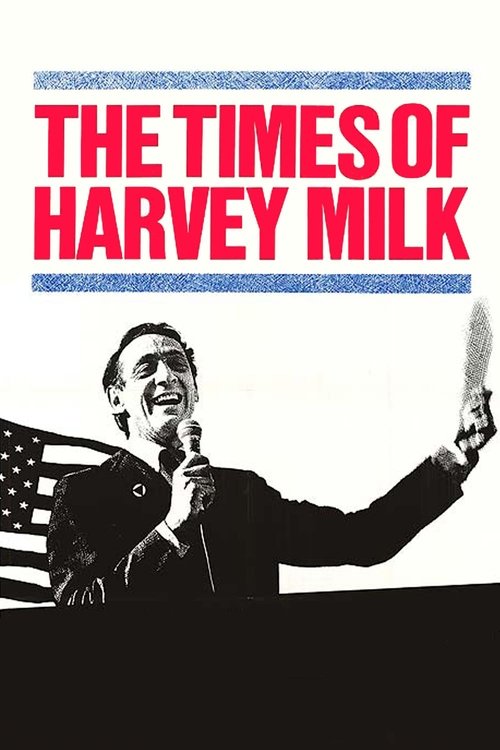
1984
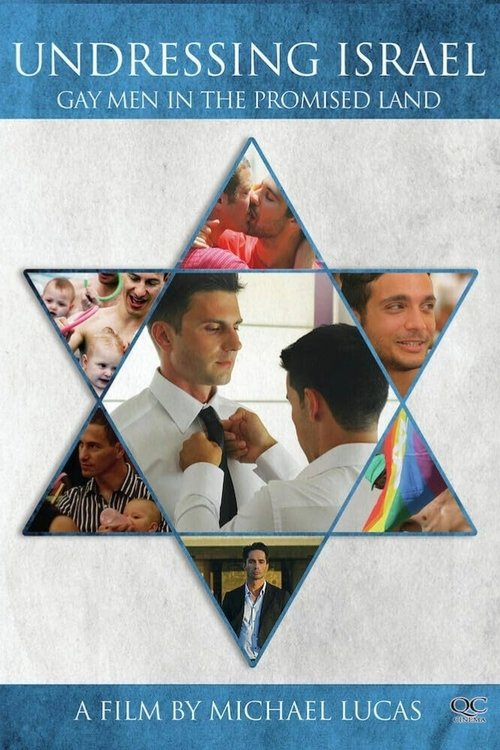
2013

2021
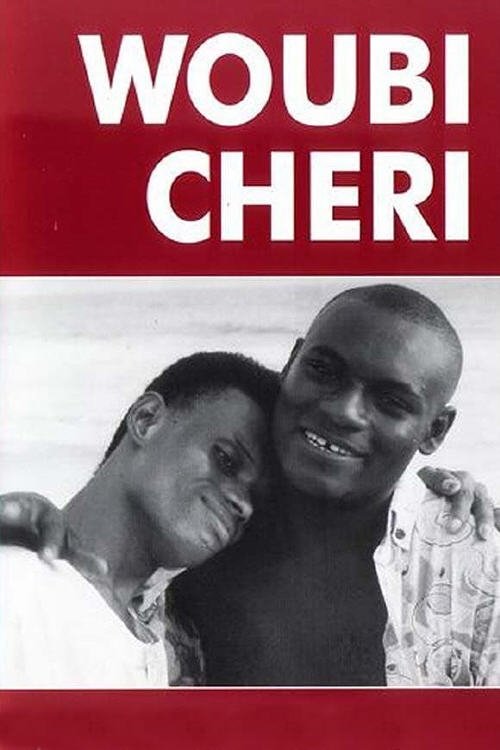
1998

2020
No reviews yet. Be the first to share your thoughts on this movie!
Use the rating form above to leave a star rating and optional review.