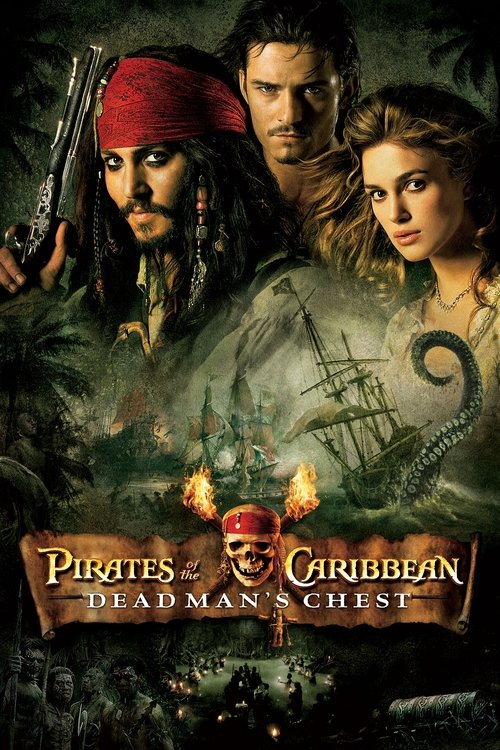
Pirates of the Caribbean: Dead Man's Chest
2006
No user ratings available yet
Representation score: 5.9 out of 10
Representation Score
Limited
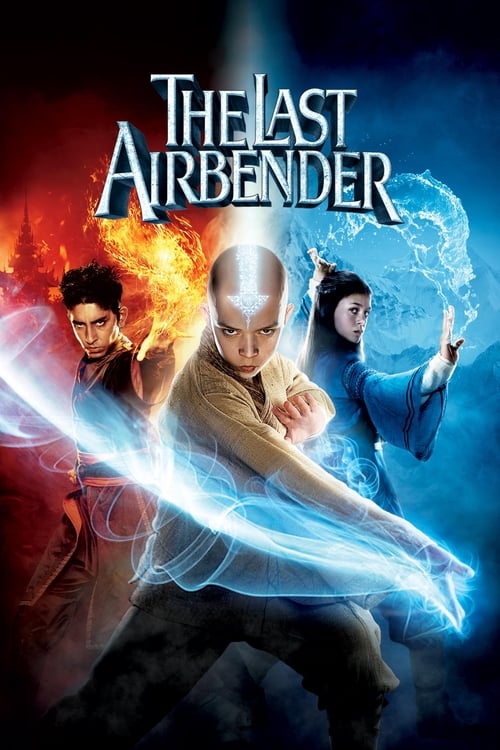
2010
PGDirector
M. Night Shyamalan
Runtime
103 minutes
Average Rating
No ratings yetNew Showbiz Analysis
The film operates within a traditional cinematic framework that upholds existing hierarchies rather than challenging them. Despite aiming to create a world of elemental nations, it falls short in achieving meaningful representation across various categories. A major issue is the disconnect between the culturally inspired setting and the predominantly white cast, stripping the world of its intended depth and authenticity. Additionally, the reliance on conventional character types and a lack of multi-layered depth result in a narrative that lacks progressive substance.
Category Breakdown
The film focuses on a traditional hero's journey centered around mastering elements. It doesn't include any visible LGBTQ+ characters or non-cisgender identities, sticking to conventional structures that assume everyone is straight.
Katara is a central protagonist with significant elemental abilities, but the film relies heavily on traditional archetypes. Leadership roles mainly follow conventional masculine patterns.
Although the setting draws inspiration from Asian and Inuit cultures, the casting includes mostly white actors, which diminishes the intended cultural richness of the world.
The story uses a fantasy setting but doesn't delve into specific cultural nuances. The Fire Nation is portrayed as a typical antagonist without addressing deeper issues of imperialism.
The story lacks characters dealing with visible or invisible disabilities. The emphasis on physical strength and combat excludes more inclusive representations of diverse abilities.
Present on Screen
Limited or Absent
Official Synopsis
A century has passed since the Fire Nation declared war on the other three nations of air, water, and earth in its attempt for global domination. Aang, the long-lost Avatar, is found by Water Tribe siblings Katara and Sokka and must learn to master water, earth, and fire bending to defeat the Fire Nation and restore balance to the world.
2006
2007
2003
2009

2007

2011

2012

1978
No reviews yet. Be the first to share your thoughts on this movie!
Use the rating form above to leave a star rating and optional review.