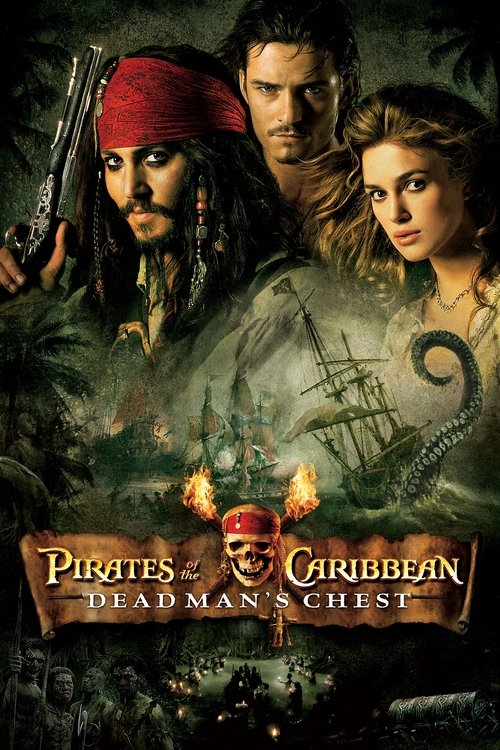
Pirates of the Caribbean: Dead Man's Chest
2006
No user ratings available yet
Representation score: 5.9 out of 10
Representation Score
Good
2007
PG-13Director
Gore Verbinski
Runtime
169 minutes
Average Rating
No ratings yetNew Showbiz Analysis
The film stands out by challenging traditional gender roles, especially through Elizabeth Swann's journey to becoming a powerful leader. Its themes of resistance against colonial bureaucracy offer a sophisticated critique of institutional power. However, the narrative lacks LGBTQ+ representation and maintains a predominantly Western-centric casting approach. While ethnic diversity is present through characters like Sao Feng, it adheres to a traditional blockbuster format. Overall, the film balances progressive themes of freedom and individual ability to act with more conventional social representations.
Category Breakdown
The story focuses on a romantic relationship between Will Turner and Elizabeth Swann, which follows traditional heterosexual norms. There are no significant LGBTQ+ characters or stories involving non-cisgender identities.
Elizabeth Swann transforms from a sheltered young woman into a decisive maritime leader. She plays a significant role in driving the story and often outmaneuvers male characters with her intellect and tactical skills.
The cast is primarily composed of white actors, although Sao Feng adds meaningful ethnic diversity. The inclusion of various Pirate Lords suggests a multi-ethnic maritime coalition.
The film criticizes the East India Trading Company as a destructive colonial force, favoring personal freedom over state-imposed laws. This provides a critique of institutional power structures.
Supernatural transformations are used as plot devices rather than realistic depictions of disabilities. The film lacks nuanced portrayals of neurodivergence or chronic illnesses.
Present on Screen
Limited or Absent
Official Synopsis
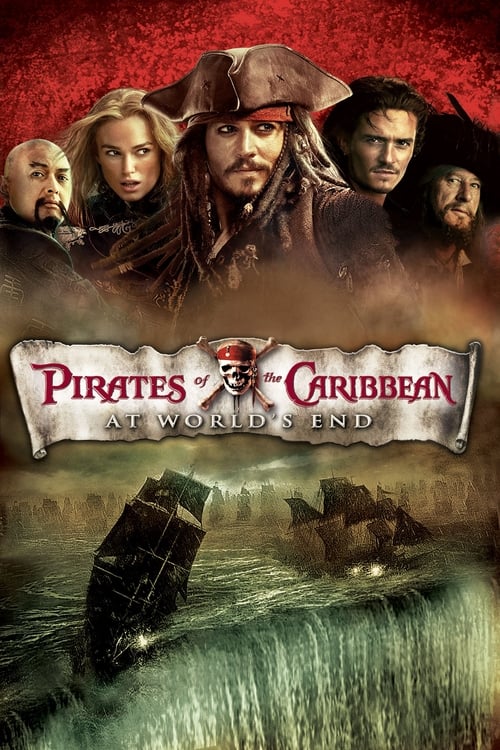
After losing Captain Jack Sparrow to the locker of Davy Jones, Will Turner, Elizabeth Swann, and Captain Barbossa journey to the ends of the earth to rescue him. And as the East India Trading Company tightens its grip on the seas under Lord Cutler Beckett—now in control of Davy Jones—the fate of piracy hangs by a thread. Now, they must unite the pirate lords for one final stand. But as loyalties are tested and alliances shift, each must ultimately choose where they stand in the battle for freedom on the high seas.
2006
2007
2011

2004

2003

2008
2017
2000
No reviews yet. Be the first to share your thoughts on this movie!
Use the rating form above to leave a star rating and optional review.