
The Very Hungry Caterpillar and Other Stories
2010
No user ratings available yet
Representation score: 7.2 out of 10
Representation Score
Fair
1999
TV-YDirector
Amy Schatz
Runtime
27 minutes
Average Rating
No ratings yetNew Showbiz Analysis
This anthology stands out through its sophisticated casting strategy, using high-profile vocalists to expand the cultural reach of children's programming. By integrating artists like Natalie Cole and Lauryn Hill, the film introduces diverse musical legacies into a traditionally limited space. While the narrative themes remain within the safe, traditional bounds of the sleepytime genre, the auditory experience is multifaceted. The production avoids a singular cultural perspective by embracing various musical aesthetics. However, the film lacks explicit representation for LGBTQ+ identities and disabilities. It functions more as a curated musical experience than a platform for active social subversion.
Category Breakdown
The collection focuses on classic children's stories and musical interludes. There are no explicit LGBTQ+ characters or narratives within these preschool-oriented tales.
The production centers on gentle, domestic bedtime themes. While the vocal talent is balanced with performers like Susan Sarandon and Patti LaBelle, the content follows traditional clichés.
The film features intentional vocal casting that disrupts homogeneous media norms. Artists like Lauryn Hill and Aaron Neville bring a rich tapestry of Black musicality to the anthology.
The anthology prioritizes secular storytelling and diverse musical genres over religious instruction. It utilizes a wide spectrum of influential performers to move beyond a monolithic cultural perspective.
There is no specific evidence regarding the depiction of characters with physical or neurodivergent disabilities in this collection.
Present on Screen
Limited or Absent
Official Synopsis
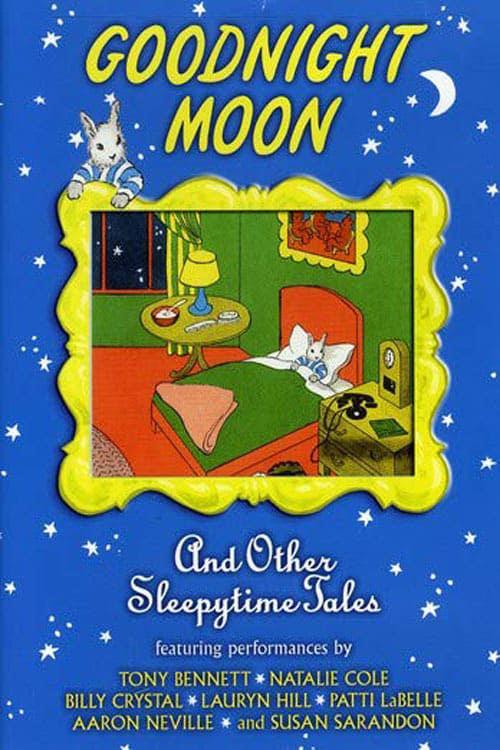
Margaret Wise Brown and Clement Hurd's bestselling children's book headlines this winning 25-minute collection of sleepytime tales from HBO. Susan Sarandon narrates the simple story of a bunny readying for bed. Other top entertainers lend their voices to the tape: Tony Bennett sings the story of "Hit the Road to Dreamland"; Lauryn Hill brings rhythm to "Hush, Little Baby"; Billy Crystal lends many voices to Mercer Mayer's "There's a Nightmare in My Closet"; and singers Natalie Cole, Aaron Neville, and Patti LeBelle sing other tales. A dandy video for the youngster, punctuated with "interviews" of real kids answering a host of bedtime questions.
2010
1999
2021
1990
1995
1952
1996
1985
No reviews yet. Be the first to share your thoughts on this movie!
Use the rating form above to leave a star rating and optional review.