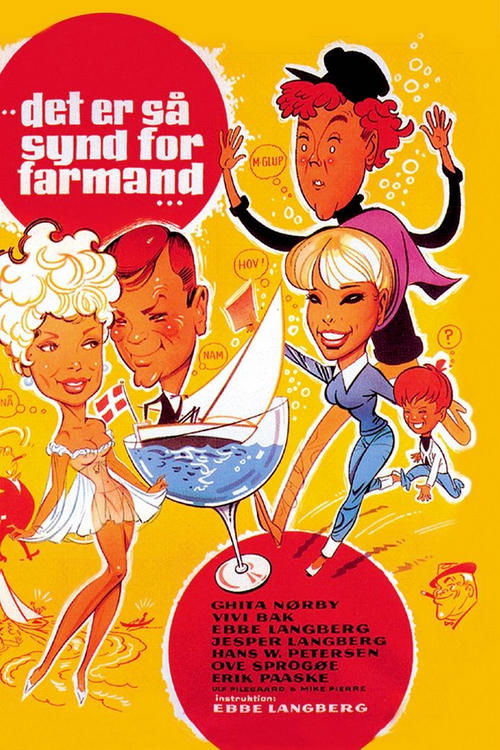
What a Pity About Daddy
1968
No user ratings available yet
Diversity score: 2.2 out of 10
1962
Director
Annelise Reenberg
Runtime
106 minutes
Average Rating
No ratings yetSynopsis
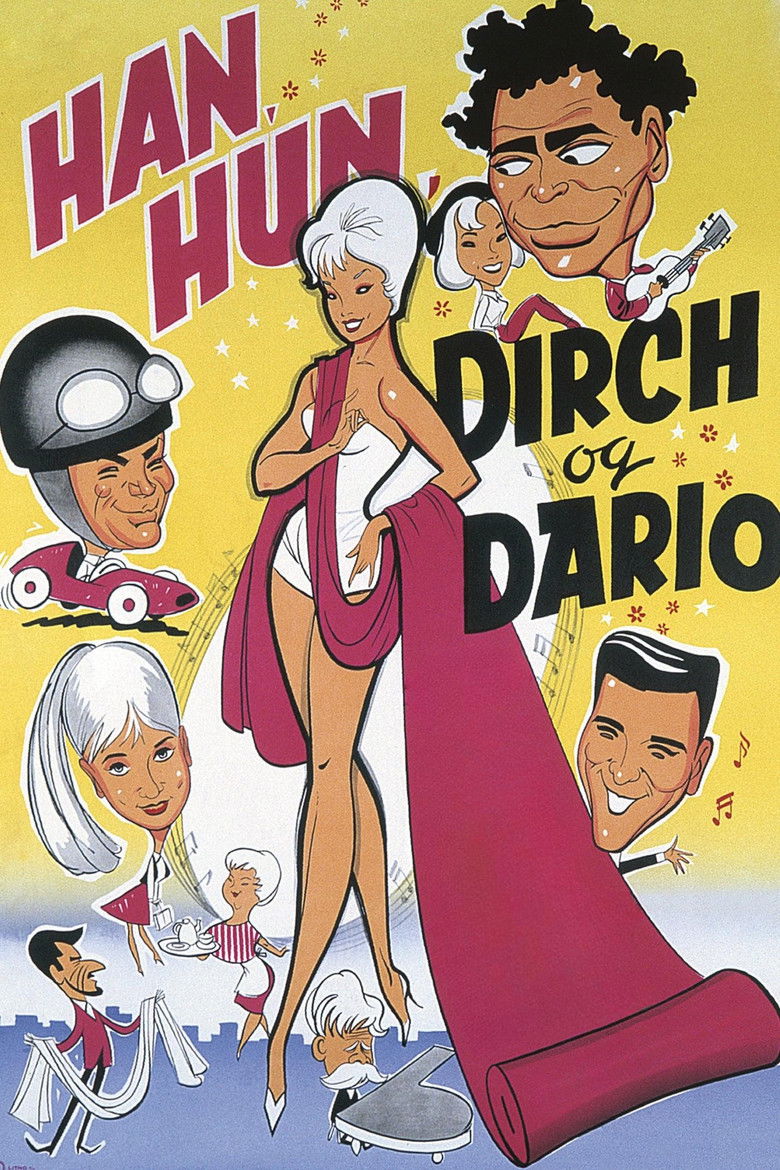
Director Paul Borg (Ebbe Langberg) neglects his young, beautiful wife Marianne (Ghita Nørby). He even forget their wedding day, in favor of a new fast sports car, a beautiful silver-gray Jaguar. During his drive, he runs out of gas. A young lady Laura Lublinski (Hanne Borchsenius), helps him and he takes an innocent flirtation with her. When Marianne learns this, she moves home and dump into an artist community with Jenny (Bodil Steen), Ovengaden of water 52 in Christianshavn. Here she takes the unrepentant Don Juan, Mario (Dario Campeotto) and the guitar-playing Eigil (Dirch compatible).
Overall Score
Limited
Category Breakdown
LGBTQ+ Representation
The film follows a traditional heteronormative structure focused on romantic entanglements between men and women. There is no evidence of non-cisnormative identities or same-sex intimacy.
Gender Representation
Marianne shows agency by leaving her neglectful husband for an artist community. However, the plot remains driven by romantic farce and traditional tropes rather than subverting gender hierarchies.
Racial & Ethnic Diversity
This localized Danish production reflects the demographic homogeneity of the early 1960s. The narrative focuses on a culturally specific Danish ensemble with no evidence of non-white casting.
Religious & Cultural Diversity
The story operates within traditional Western social structures and social etiquette. While the artist community setting offers a slight departure from bourgeois domesticity, themes remain centered on romantic pursuits.
Disability Representation
The characters are presented through comedic archetypes like the Don Juan or the musician. There is no portrayal of neurodivergence or physical disability.
Strengths
Areas for Improvement
AI Analysis
Han, hun, Dirch og Dario is a quintessential mid-century Danish comedy that prioritizes escapism and romantic misunderstandings. It functions strictly within the social and demographic norms of 1962, offering little in the way of systemic critique or diverse representation. The film's strength lies in its character agency, particularly through Marianne's decision to seek independence. However, the narrative ultimately relies on established gender roles and a homogeneous social landscape that lacks racial or LGBTQ+ visibility. Overall, the work serves as a lighthearted ensemble piece that reinforces the cultural and romantic standards of its era rather than challenging them.
1968
1967

1962
1956
1960

1964
1960

1956
No reviews yet. Be the first to share your thoughts on this movie!
Use the rating form above to leave a star rating and optional review.