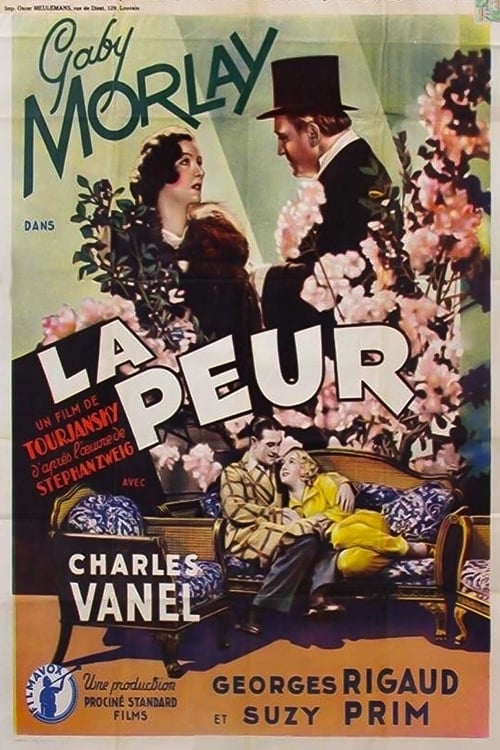
The Fear
1936
No user ratings available yet
Representation score: 2.0 out of 10
Representation Score
Minimal
1931
15Director
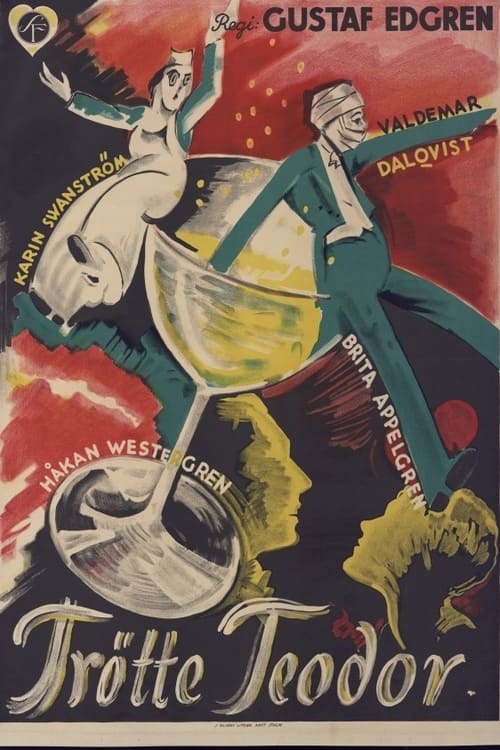
Gustaf Edgren
Runtime
75 minutes
Average Rating
No ratings yetNew Showbiz Analysis
Tired Theodore is a character-driven drama that emphasizes class-based social friction and domestic secrecy. The plot revolves around the tension between a protagonist's private labor and his public identity within a marriage. The film adheres to the standard social and narrative constraints of early 1930s European cinema. It serves as a traditional dramatic framework rather than a tool for deconstructing identity hierarchies. While the economic imbalance between the husband and wife offers a slight departure from typical breadwinner models, the film lacks broader representation of race, disability, or LGBTQ+ identities.
Category Breakdown
The film does not include any characters with LGBTQ+ identities or same-sex intimacy. The story focuses solely on a traditional marital relationship.
The film highlights a wealth disparity where the wife holds financial dominance over her husband. It is unclear whether this challenges or reinforces traditional gender roles.
The film likely reflects the homogeneous demographic standards of 1931 Sweden. There is no indication of diverse casting or characters that reflect multiple aspects of diversity.
The narrative explores the tension between traditional morality and the perceived decadence of the Babylon hotel. This suggests a conventional moral lens regarding urban sin.
There is no information available regarding the portrayal of physical or neurodivergent characters in this production.
Present on Screen
Limited or Absent
Official Synopsis
Teodor is afraid to tell his rich wife that he works extra nightly at the sinful hotel Babylon.
1936
1924
1921
1930
1931
1952
1931
1924
No reviews yet. Be the first to share your thoughts on this movie!
Use the rating form above to leave a star rating and optional review.