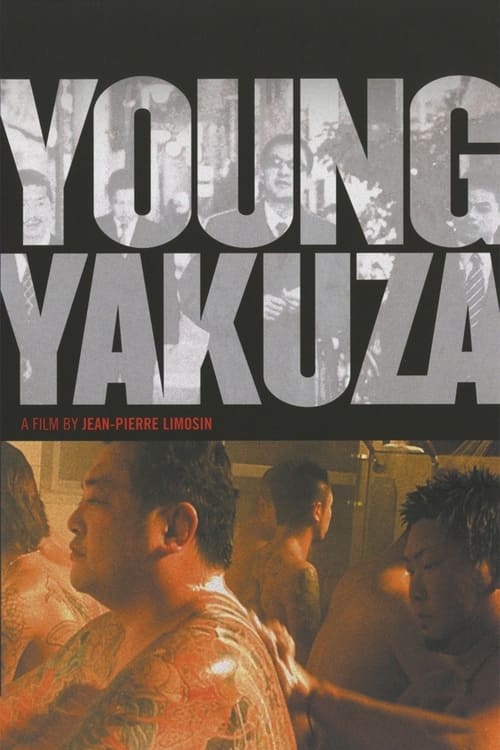
Young Yakuza
2007
No user ratings available yet
Representation score: 5.3 out of 10

Representation Score
Limited
2013
Director
Sebastian Stein
Runtime
126 minutes
Average Rating
No ratings yetNew Showbiz Analysis
Twilight of the Yakuza functions as a sociological inquiry into the decline of Japan's organized crime syndicates. It prioritizes an examination of systemic shifts and the tension between state authority and traditional social structures over individual identity politics. The film's strength lies in its moral relativism. Instead of presenting a simple binary of good versus evil, it explores whether these syndicates are a societal cancer or a necessary evil, providing a nuanced view of social stability. However, the documentary is limited by its narrow subject matter. It focuses on a hyper-masculine subculture and a homogeneous population, offering little engagement with gender diversity, disability, or LGBTQ+ identities.
Category Breakdown
The documentary focuses on organized crime and government policy. There is no evidence of LGBTQ+ character arcs or themes involving non-straight identities.
The film centers on the Yakuza, a traditionally patriarchal and hyper-masculine institution. There is no evidence showing women taking significant roles or challenging masculine hierarchies.
The subjects are ethnically homogeneous, focusing on a Japanese social phenomenon. However, it provides a perspective on a non-Western social structure outside the Anglo-centric cinematic norm.
The narrative deconstructs traditional power dynamics by questioning the necessity of the Yakuza. It disrupts law-and-order clichés by exploring the complexity of systemic social roles.
There is no documented evidence regarding the portrayal of physical or neurodivergent disabilities within the subject matter.
Present on Screen
Limited or Absent
Official Synopsis
The Yakuza, Japan's organized crime syndicates, are a dying breed. Their members are aging and the government of Japan has launched a large-scale crackdown on them to eradicate them once and for all. But who are the Yakuza? The cancer of a nation or a necessary evil in a country with one of the lowest crime rates in the industrialized world?
2007
2015
2023

2020

2015
1973
2016

2015
No reviews yet. Be the first to share your thoughts on this movie!
Use the rating form above to leave a star rating and optional review.