Paris is a Moveable Feast - A Film in 18 Waves
2017
No user ratings available yet
Representation score: 5.7 out of 10
Representation Score
Fair
2008
KTDirector
Anne Lévy-Morelle
Runtime
91 minutes
Average Rating
No ratings yetNew Showbiz Analysis
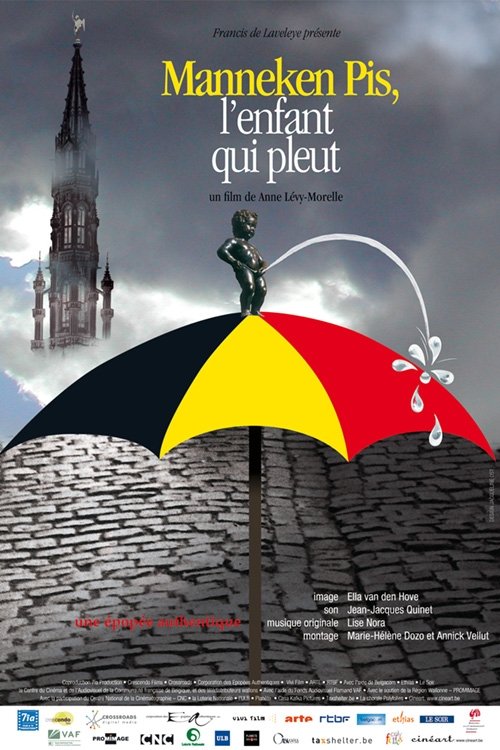
Anne Lévy-Morelle’s documentary serves as a symbolic investigation into the Manneken Pis, exploring the complexities of Belgian civic identity. The film successfully deconstructs the tension between Brussels’ modest exterior and its underlying capitalistic ambitions. However, the work remains a specialized ethnographic study that prioritizes cultural symbols over demographic representation. It lacks the explicit frameworks needed to address broader social identities. Ultimately, the film is a study of institutional identity and historical mythologies. While it provides a nuanced view of cultural facades, it offers little in the way of modern progressive representation.
Category Breakdown
The film focuses on civic symbolism and urban history rather than personal LGBTQ+ stories. There are no explicit critiques of straight or cisgender norms.
The story centers around a male figure, emphasizing a traditional male perspective. However, the exploration of the city's hidden wealth touches on broader historical roles.
This study focuses on a specific historical symbol of Brussels. The narrative prioritizes traditional Belgian identity rather than modern multiculturalism or diverse backgrounds.
The documentary offers a sophisticated look at the contrast between capital ambition and public modesty. It effectively breaks down the performative nature of civic pride and social facades.
There is no focus on disability, neurodivergence, or physical impairments in this thematic framework.
Present on Screen
Limited or Absent
Official Synopsis
"Manneken Pis, the raining child" - takes you into a warm and sometimes tragic Brussels. You will discover the story of a city with capital ambition, which carefully hides its wealth and pride under the derisory appearance of a little boy who pee. Why? Through the investigation between past and present, you will see what this curious symbol contains. And why the inhabitants of Brussels boast ... to be modest.
2017

2017
1897
2010
2016

2010
1995
1961
No reviews yet. Be the first to share your thoughts on this movie!
Use the rating form above to leave a star rating and optional review.