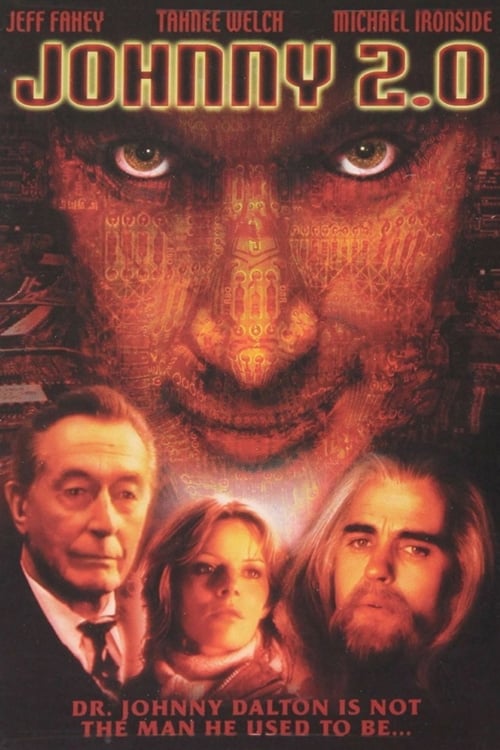
Johnny 2.0
1998
No user ratings available yet
Representation score: 6.7 out of 10
Representation Score
Limited
1998
TV-PGDirector
Michael Tuchner
Runtime
89 minutes
Average Rating
No ratings yetNew Showbiz Analysis
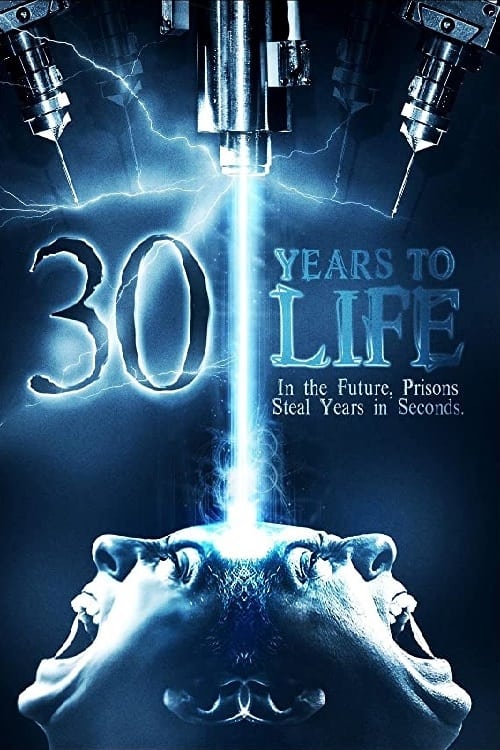
30 Years to Life is a traditional dystopian thriller centered on a single protagonist's journey. While the premise offers a critique of institutional corruption and state-mandated punishment, the film lacks depth in representing diverse identities. The narrative focuses on a male-centric experience, limiting opportunities for diverse casting and identity-focused storytelling. It adheres to conventional genre clichés common in late-90s television movies rather than promoting progressive representation. Ultimately, the film's strength lies in its critique of systemic injustice, but it falls short in providing a diverse and complex social landscape.
Category Breakdown
The film does not include any LGBTQ+ characters or stories about non-cisgender identities. It operates within an assumption that everyone is straight and cisgender.
The story revolves around a male protagonist and does not show nuanced roles for women or disrupt traditional gender roles.
The movie focuses on a single teenager's experience. There is no evidence of a diverse cast or the use of race as a key part of the story.
The story critiques Western institutions and state authority using a dystopian setting to question the reliability of legal systems and justice.
The protagonist experiences a forced medical aging process. This explores bodily autonomy but treats physical changes as a punishment rather than a lived experience of disability.
Present on Screen
Limited or Absent
Official Synopsis
In a futuristic dystopia, a teenager is medically aged 30 years to punish him for a crime he didn't commit.
1998

1976
1998
1966

1999

1992
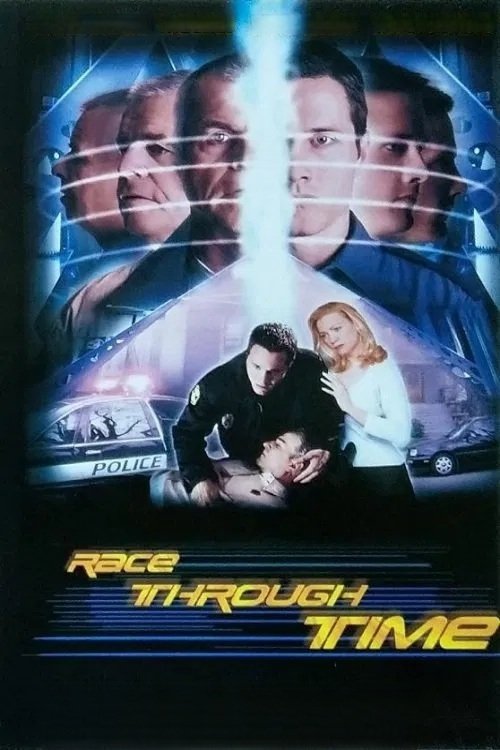
2000

2012
No reviews yet. Be the first to share your thoughts on this movie!
Use the rating form above to leave a star rating and optional review.