Timecrimes
2007
No user ratings available yet
Representation score: 0.9 out of 10
Representation Score
Minimal
2000
TV-PGDirector
Jeff Woolnough
Runtime
88 minutes
Average Rating
No ratings yetNew Showbiz Analysis
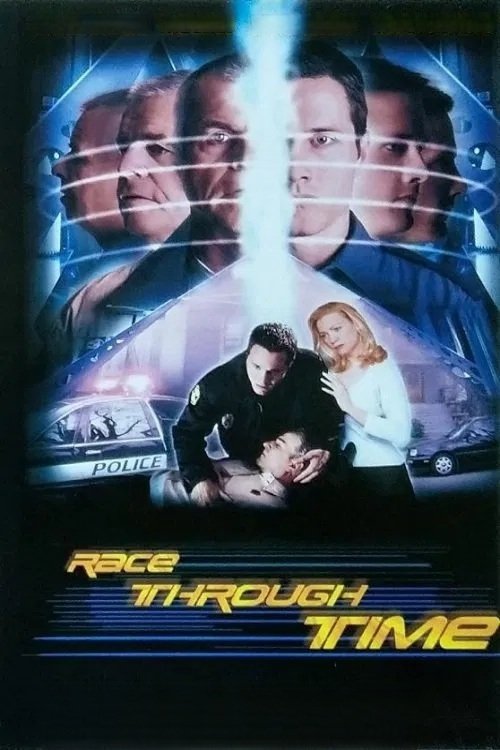
The film is a conventional science fiction thriller that relies on established genre clichés. The narrative structure is built around a singular, masculine-driven plot focused on familial justice and personal ability to act. Because the story centers on a male protagonist's relationship with his younger self and his father, the perspective remains narrow. The production lacks complexity in reflecting multiple aspects of identity, offering little in the way of diverse identities or systemic critiques. Ultimately, the film functions as a standard genre piece of its era, prioritizing a traditional storytelling structure over progressive representation.
Category Breakdown
The film does not show any non-binary or LGBTQ+ identities or same-sex relationships. It focuses on a male-centric journey without addressing assumptions about everyone being straight or cisgender.
The story centers on a male ex-cop and his younger self. It adheres to traditional masculine roles and conventional gender norms.
The narrative appears to prioritize a homogeneous perspective. There is no evidence of a diverse cast or non-Anglo-Saxon majority.
The plot follows a standard Western hero's journey. It operates within a conventional moral framework without challenging institutional norms.
While the protagonist is described as burned-out, it is unclear if this represents a specific disability. No physical or sensory disabilities are confirmed.
Present on Screen
Limited or Absent
Official Synopsis
A burned-out ex-cop travels back in time and teams up with his younger self to catch his father's murderer.
2007
1993
2012

2019

2016
2009
1988

2024
No reviews yet. Be the first to share your thoughts on this movie!
Use the rating form above to leave a star rating and optional review.