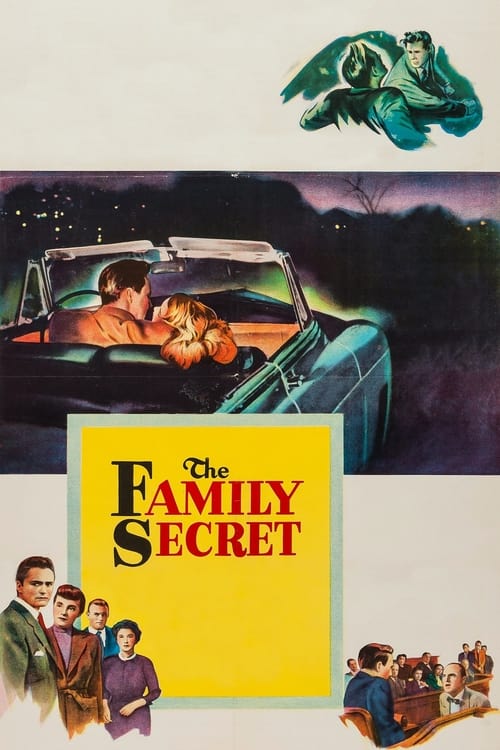
The Family Secret
1951
No user ratings available yet
Representation score: 1.8 out of 10
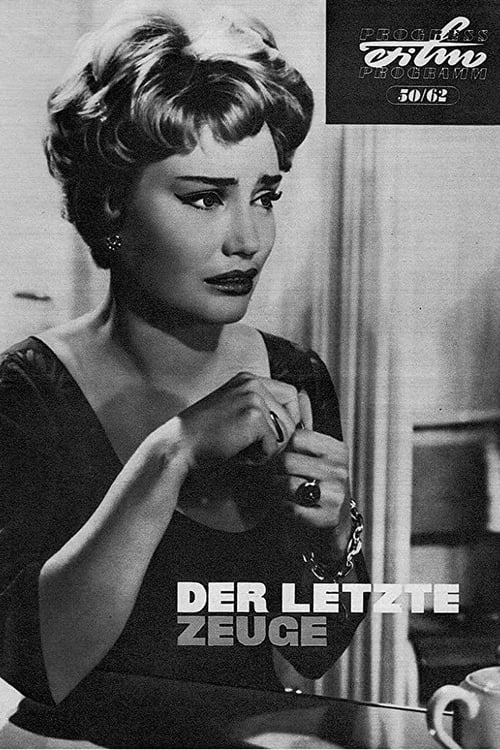
Representation Score
Limited
1960
Director
Wolfgang Staudte
Runtime
102 minutes
Average Rating
No ratings yetNew Showbiz Analysis
Wolfgang Staudte’s courtroom drama is a sophisticated study of systemic corruption rather than demographic variety. It prioritizes a critique of West German institutional authority over representation of diverse identities. The film succeeds by deconstructing the perceived legitimacy of the legal establishment. It exposes how class-based protectionism allows the wealthy to remain insulated from accountability. However, the work remains limited by the era's social norms. It lacks meaningful representation regarding race, sexuality, and disability, focusing almost exclusively on the socio-political reconstruction of Germany.
Category Breakdown
The film adheres to the social constraints of 1960s West Germany. It focuses on traditional romantic and familial structures and lacks representation of non-binary gender identities.
The narrative is dominated by male-led legal and investigative processes. Ingrid drives the plot, but her role is constrained by a patriarchal system that views women primarily through their relationships to men.
The cast is homogeneous, reflecting the specific demographic reality of post-war Germany. There is no evidence of intentional racial blending or casting actors with diverse backgrounds.
The film provides a sharp critique of institutional integrity. It portrays the West German judicial system and wealthy elite as biased entities that prioritize protecting the powerful over true justice.
Psychological trauma is treated as a broad societal condition rather than a character-driven exploration. There are no central characters defined by physical or neurodivergent disabilities.
Present on Screen
Limited or Absent
Official Synopsis
Director Wolfgang Staudte who left East Germany in 1953 to make movies in West Germany, takes a few swipes at the West German judicial system in this fairly effective courtroom drama about the murder of a four-month-old baby. Police almost immediately arrest the mother Ingrid who is the mistress of the father, a rich business VIP married to another woman. His position and wealth keep him insulated from suspicion. A hot-shot lawyer has to overcome the unaccountably biased perceptions of the police, the judge, the prosecutor and almost everyone else in the judicial system. The defence lawyer, driven to an extreme, knows he has to find the real killer or his client will be convicted.
1951

1956
1955

1989
1967
1970
1954
1962
No reviews yet. Be the first to share your thoughts on this movie!
Use the rating form above to leave a star rating and optional review.