Law Breakers
1971
No user ratings available yet
Representation score: 4.3 out of 10
Representation Score
Fair
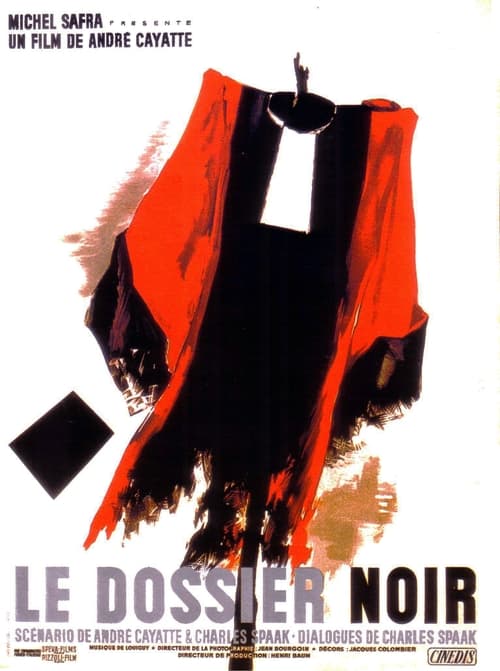
1955
Director
André Cayatte
Runtime
115 minutes
Average Rating
No ratings yetNew Showbiz Analysis
Black Dossier is a social realist drama that prioritizes systemic critique over demographic diversity. While it lacks representation in terms of race, gender, and LGBTQ+ identities, it focuses on deconstructing institutional authority. The film centers on the clash between a young judge and an influential figure, highlighting legal and carceral dynamics. This focus limits the scope of its social representation. Ultimately, the film's value lies in its cultural subversion. It challenges the perceived infallibility of the state, making it a progressive work despite its narrow demographic lens.
Category Breakdown
The film adheres to the social norms of the mid-1950s, where everyone is assumed to be straight or cisgender. There are no narratives that question traditional sexual orientations or gender identities.
The story focuses on male-dominated spaces such as courtrooms and prisons. It lacks significant roles for women, emphasizing the conflict between male authority figures.
The cast reflects the homogeneous demographics of 1950s provincial France. There is no exploration of multi-ethnic backgrounds or efforts to disrupt European norms.
The film critiques Western judicial institutions, portraying the legal system as a flawed and potentially corrupt machine that prioritizes institutional preservation over truth.
The narrative explores the psychological impact of incarceration. However, there are no characters with visible or invisible disabilities used as central thematic drivers.
Present on Screen
Limited or Absent
Official Synopsis
In the 1950s, in a small provincial town, a young inexperienced judge clashes with an influential notable during an investigation into a suspicious death. His perseverance to get to the truth will cause a huge scandal.
1971

1958
1954
1954
1952
1947
1950

1956
No reviews yet. Be the first to share your thoughts on this movie!
Use the rating form above to leave a star rating and optional review.