
The Trip
1967
No user ratings available yet
Diversity score: 2.3 out of 10
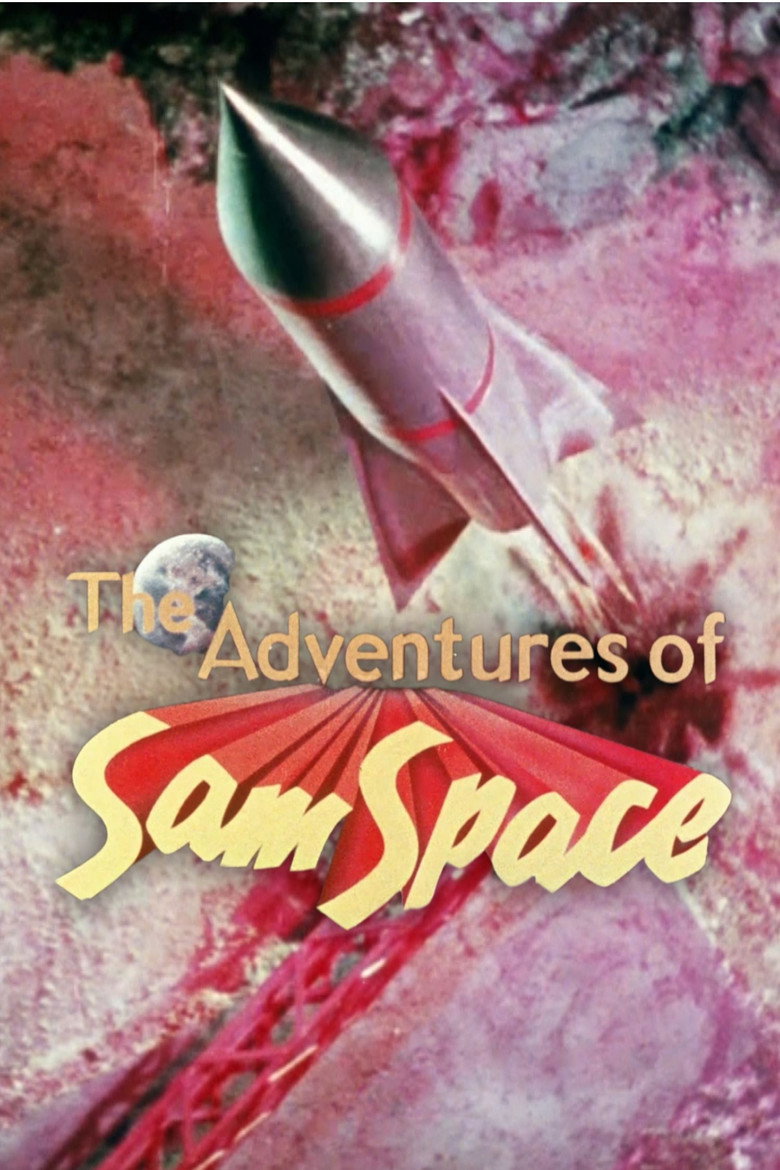
1960
ApprovedDirector
Arthur C. Pierce, Paul Sprunck
Runtime
9 minutes
Average Rating
No ratings yetSynopsis
Two boys, Chuck and Sam find a time capsule in a cave and take it to Professor Seateck. The professor finds that the capsule contains a message that had been sent to the planet Meeca whose inhabitants helped Earth in its defense against attacks by the Space Islands in 1960. Sam, Chuck, and the Professor travel to Meeca with the Meecan robot Robo. They are attacked by the Space Islands en route but arrive safely to meet with the friendly Meecans.
Overall Score
Limited
Category Breakdown
LGBTQ+ Representation
The film lacks any evidence of non-heteronormative identities or same-sex intimacy. The story follows a conventional social structure typical of 1960s animation.
Gender Representation
Agency is concentrated within a male cohort consisting of Chuck, Sam, and Professor Seateck. The absence of female characters suggests a traditional patriarchal narrative model.
Racial & Ethnic Diversity
The human cast lacks explicit indicators of multi-ethnic representation. While the alien Meecans introduce 'otherness,' it is unclear if they serve as a meaningful metaphor for racial diversity.
Religious & Cultural Diversity
The narrative emphasizes mid-century values like collective defense and scientific pursuit. It follows Western adventure tropes rather than deconstructing specific cultural or capitalist frameworks.
Disability Representation
No characters are depicted navigating physical, neurodivergent, or sensory disabilities. The protagonists function within standard adventure genre parameters.
Strengths
Areas for Improvement
AI Analysis
The film adheres to mid-century animation tropes, centering its adventure on a male-dominated group of explorers. The narrative structure prioritizes a traditional hero's journey involving discovery and interstellar travel. While the inclusion of the Meecan civilization provides a sci-fi proxy for 'the other,' the human elements remain largely homogenous. The story focuses on institutional stability and defense against external threats. Ultimately, the work reflects the era's social norms, offering little disruption to conventional hierarchies of gender, race, or identity.
1967
1959

1967
1965
1962

1956
1949
1971
1967
1970
1962

1978
No reviews yet. Be the first to share your thoughts on this movie!
Use the rating form above to leave a star rating and optional review.