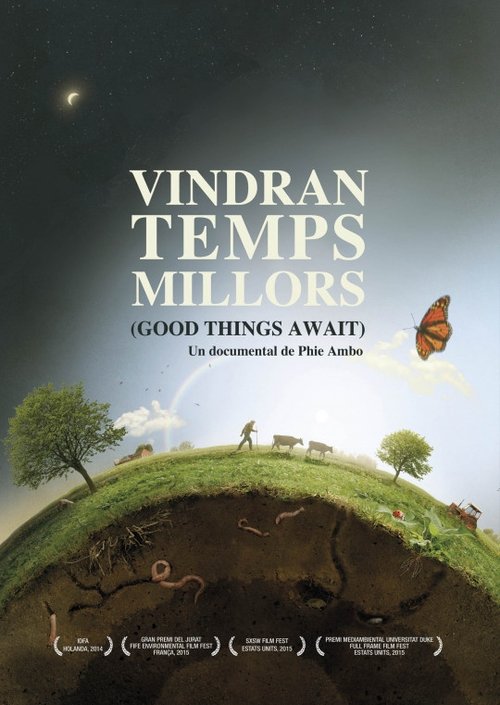
Good Things Await
2014
No user ratings available yet
Representation score: 4.8 out of 10

Representation Score
Fair
2013
Director
Neus Ballús
Runtime
82 minutes
Average Rating
No ratings yetNew Showbiz Analysis
The Plague examines contemporary social dynamics by focusing on labor, migration, and individual autonomy. It successfully integrates a migrant worker's history into the local landscape, moving beyond homogeneous European depictions. While it effectively portrays female autonomy and ethnic diversity, it remains neutral on LGBTQ+ identities. The film provides a meaningful representation of human complexity, though it lacks engagement with disability or specific religious themes.
Category Breakdown
The film centers on the relationships between a farmer, a migrant worker, and three solitary women. There are no clear examples of queer-coded narratives or non-cisgender identities.
The movie highlights the autonomy of three solitary women, disrupting traditional patriarchal structures that often sideline women.
Iurie, a Moldavian wrestler, brings a migrant perspective to the Mediterranean setting, emphasizing the role of migrant workers in the local agricultural economy.
The film contrasts organic farming and communal living with Western consumerism, critiquing modern social isolation through the portrayal of solitary lives intertwining.
There is no clear depiction of physical or neurodivergent disabilities in the film.
Present on Screen
Limited or Absent
Official Synopsis
Raül, a farmer who tries to grow organic food, hires Iurie, a Moldavian wrestling fighter, to help him in the fields. Slowly, their personal histories intertwine with those of three solitary women.
2014

2000
2005
2004

2006

2020
2020
2019
No reviews yet. Be the first to share your thoughts on this movie!
Use the rating form above to leave a star rating and optional review.