
For the Love of Movies: The Story of American Film Criticism
2009
No user ratings available yet
Diversity score: 3.9 out of 10
2014
Director
Bill Teck
Runtime
98 minutes
Average Rating
No ratings yetSynopsis
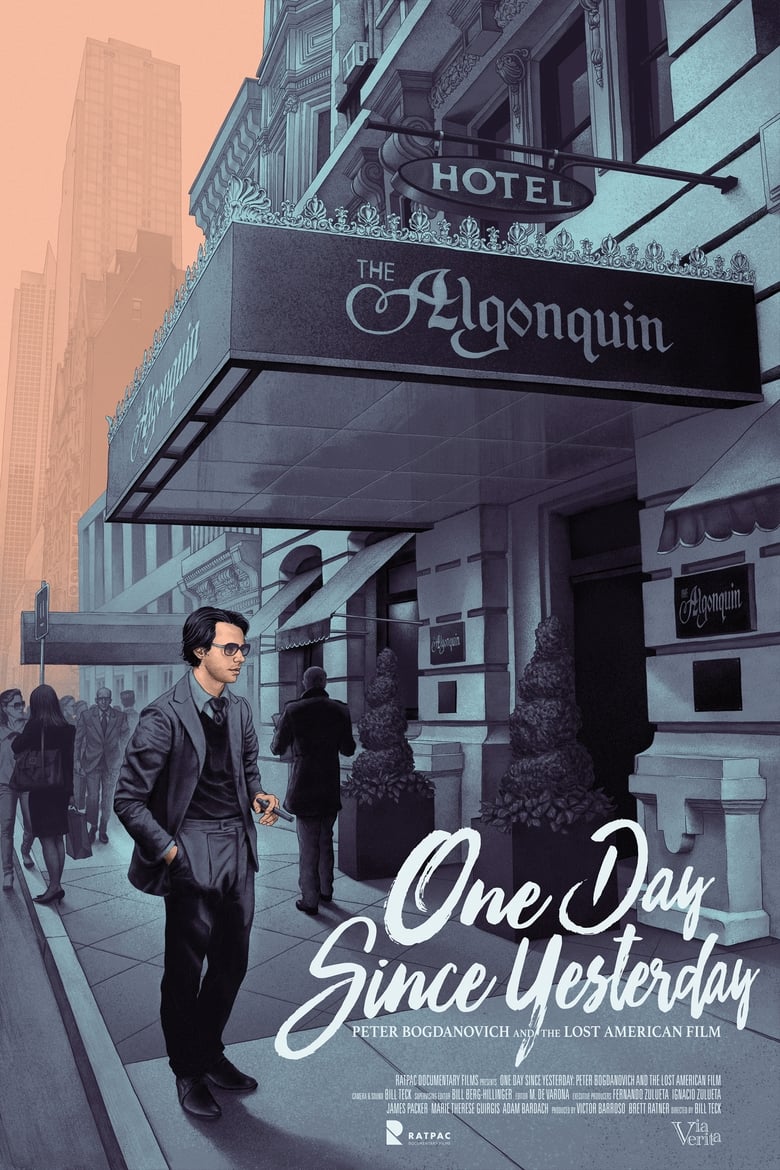
The grim woes that surrounded famed director Peter Bogdanovich and his film, "They All Laughed."
Overall Score
Limited
Category Breakdown
LGBTQ+ Representation
The documentary lacks a central focus on non-cisnormative identities. While archival clips might incidentally feature diverse characters, the film prioritizes biographical history over queer narratives.
Gender Representation
The film examines professional gender dynamics through Bogdanovich’s female collaborators. It highlights their agency and influence, though it remains tethered to traditional biographical storytelling structures.
Racial & Ethnic Diversity
Archival footage captures the evolving demographics of American cinema during the transition to New Hollywood. However, the film does not center on racial identity or deconstruct hegemony.
Religious & Cultural Diversity
The narrative explores the decline of Hollywood institutions and the fragility of the American cinematic dream. It presents a melancholic view of professional legacy and industry volatility.
Disability Representation
There is no significant or intentional focus on visible or invisible disabilities. The film does not use disability as a central theme or tool for character development.
Strengths
Areas for Improvement
AI Analysis
One Day Since Yesterday is a specialized historical documentary that prioritizes cinematic lineage and biographical complexity. It functions as a cinematic autopsy of Peter Bogdanovich’s career, focusing on the friction between creative vision and industry shifts. The film's primary objective is the examination of film history rather than the active promotion of intersectional or subversive social identities. While it offers a sophisticated deconstruction of an auteur's legacy, it lacks intentionality regarding progressive social frameworks. Consequently, the documentary serves as a historical record of a specific era. It captures the socioeconomic upheaval of the industry but does not actively engage with the deconstruction of systemic power structures.
2009
1998

2007
2013

2004
1999

2020

1988
2005
2018
1997

2016
No reviews yet. Be the first to share your thoughts on this movie!
Use the rating form above to leave a star rating and optional review.