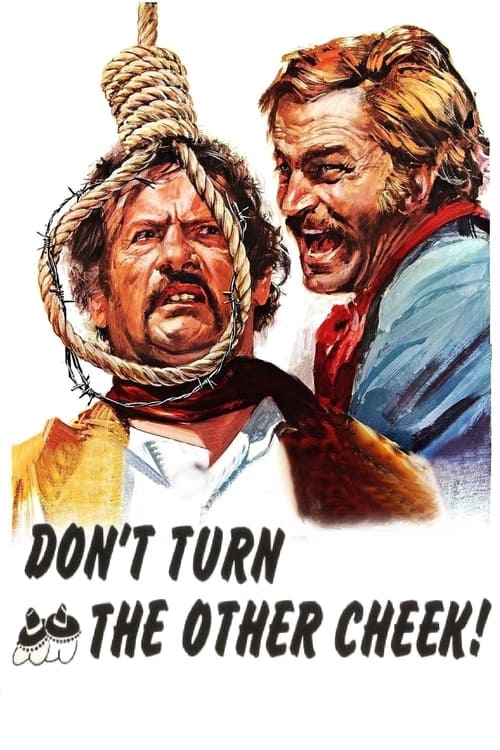
Don't Turn the Other Cheek
1971
No user ratings available yet
Diversity score: 6.0 out of 10
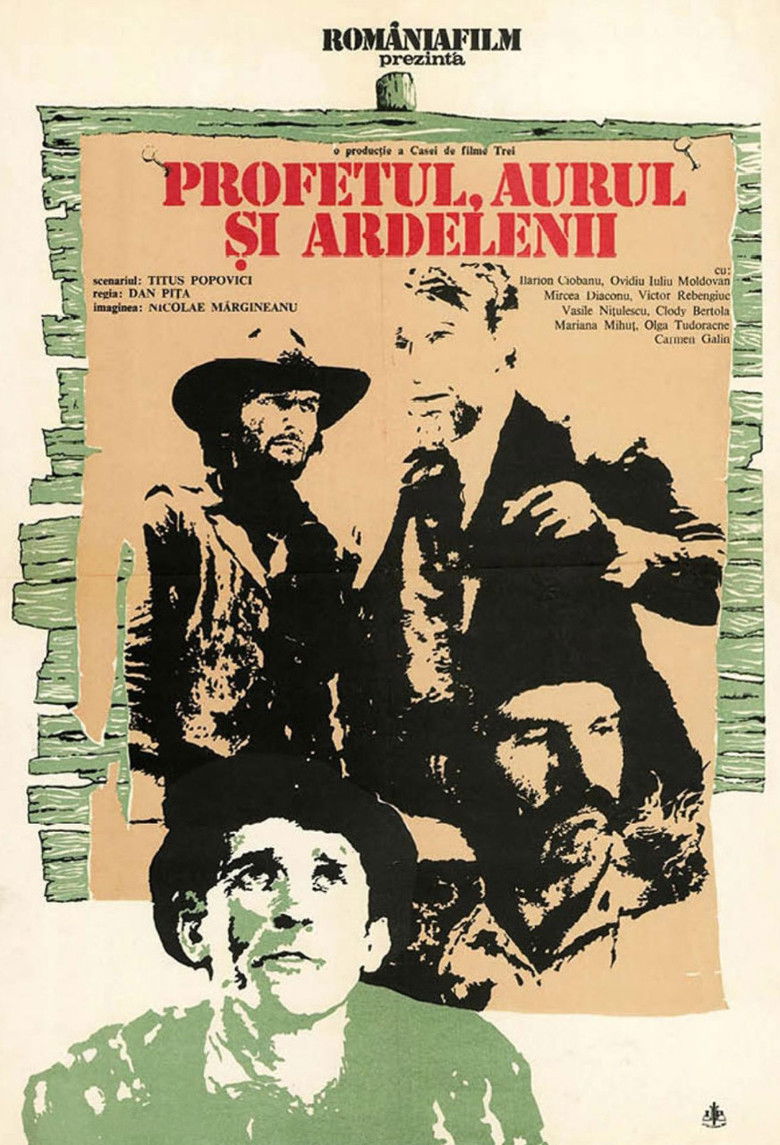
1978
Director
Dan Pița, Mircea Veroiu
Runtime
98 minutes
Average Rating
No ratings yetSynopsis
Two peasants from Transylvania go to America in order to meet their brother who had left Romania ten years earlier. They meet a prophet in the American state of Utah and eventually help the cause of justice in the villages where the prophet proves to be a dictator and exploiter of the coal miners over there.
Overall Score
Fair
Category Breakdown
LGBTQ+ Representation
The film lacks explicit evidence of LGBTQ+ characters or non-heteronormative identities. The narrative focuses on a traditional framework involving two brothers and a religious figure.
Gender Representation
The story centers on a male-driven journey involving brothers and a prophet. While it critiques patriarchal authority through the prophet figure, female roles remain largely unaddressed.
Racial & Ethnic Diversity
Transylvanian peasants serve as ethnic outsiders within the American Western landscape. This fish-out-of-water perspective disrupts the genre's typical Anglo-centric norms through a cross-cultural collision.
Religious & Cultural Diversity
The film offers a sophisticated critique of Western institutions by portraying a religious leader as a corrupt dictator. It prioritizes the struggle of marginalized miners against systemic exploitation.
Disability Representation
There is no discernible information regarding the portrayal of physical or neurodivergent disabilities in the narrative.
Strengths
Areas for Improvement
AI Analysis
The film functions as a deconstruction of the Western mythos, using the immigrant experience to expose the vulnerabilities of American social and religious institutions. It replaces frontier celebration with a critique of systemic corruption. Its primary strength lies in its use of ethnic outsiders to destabilize conventional genre expectations. By placing Romanian peasants in Utah, the film provides a non-Western lens to view American power structures. However, the narrative remains heavily male-centric and lacks representation for LGBTQ+ identities or individuals with disabilities. The focus on masculine-coded labor and traditional character frameworks limits its broader social inclusivity.
1971
1975

1988
1971
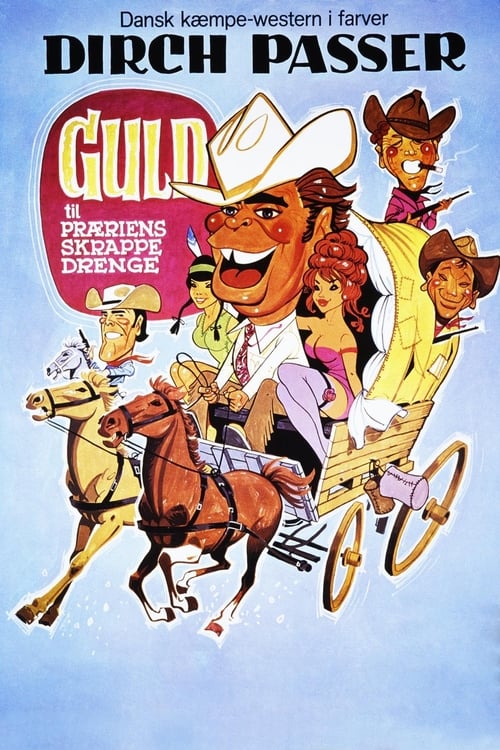
1971
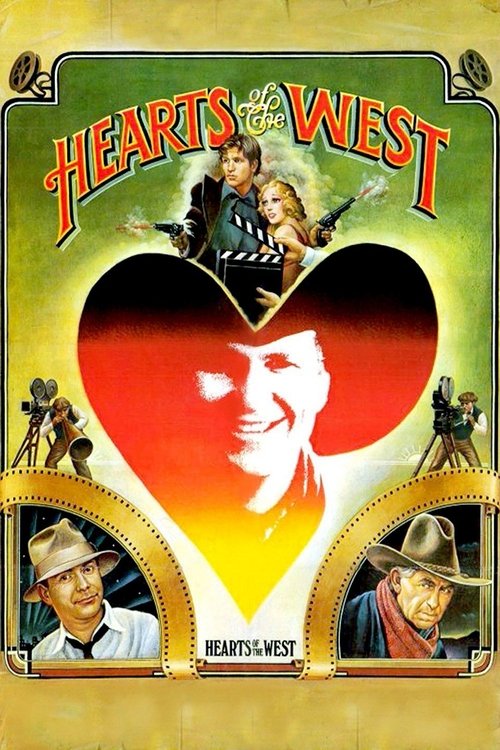
1975
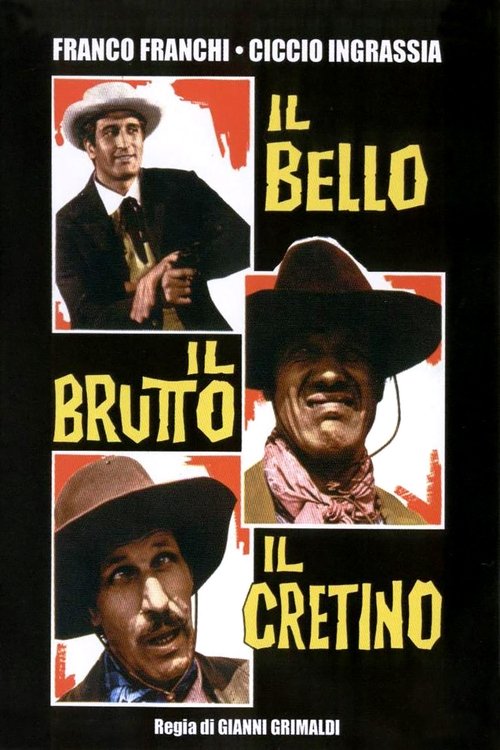
1967
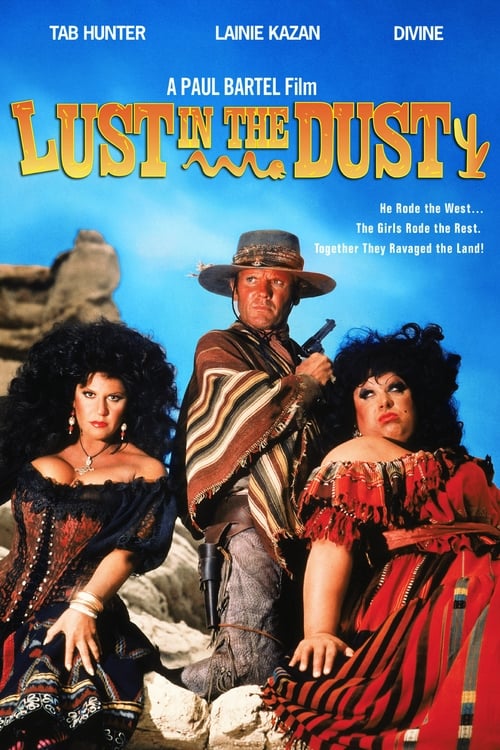
1985
1969
2002
1977
1968
No reviews yet. Be the first to share your thoughts on this movie!
Use the rating form above to leave a star rating and optional review.