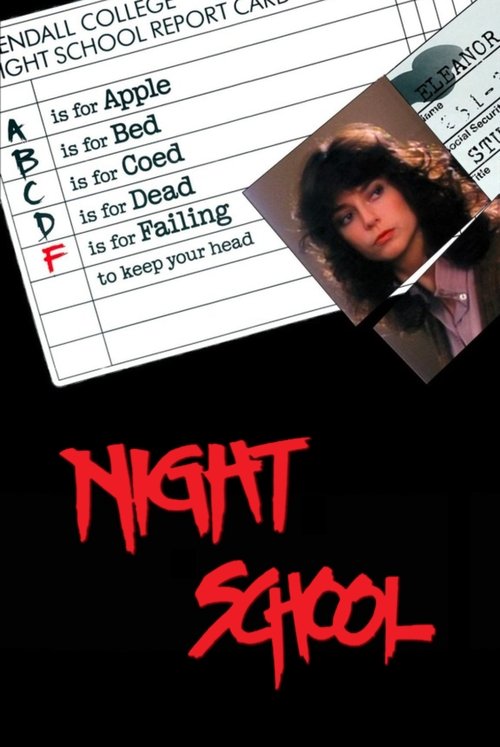
Night School
1981
No user ratings available yet
Diversity score: 1.8 out of 10

1991
Not RatedDirector
Brian Owens
Runtime
87 minutes
Average Rating
No ratings yetSynopsis
25 years ago at Winfield College, psycho-priest Zachary Malius murdered seven frat boys and was put away in the local asylum. Now, however, the same fraternity stages a prank from which Malius is inadvertently set free and returns to the house to repeat his crime...
Overall Score
Limited
Category Breakdown
LGBTQ+ Representation
The film lacks explicit LGBTQ+ characters or non-heteronormative identities. The narrative follows traditional slasher tropes centered on a singular antagonist.
Gender Representation
The story focuses on male-centric conflict involving a priest and fraternity boys. There is no evidence of female agency or the subversion of gender hierarchies.
Racial & Ethnic Diversity
The synopsis does not indicate a diverse cast or intersectional casting. The collegiate setting suggests a likely homogeneous group of characters.
Religious & Cultural Diversity
Religious iconography is used as a horror device rather than a subject of critique. The film utilizes Western institutions as a backdrop for a standard thriller.
Disability Representation
Mental health status is used as a plot device via the asylum setting. This aligns with tropes that use neurodivergence to signify danger.
Strengths
Areas for Improvement
AI Analysis
Happy Hell Night functions as a conventional 1990s slasher that adheres strictly to established horror archetypes. The narrative focuses on a localized cycle of violence rather than exploring complex social themes or diverse identities. The film relies on traditional genre structures, such as the 'psycho' antagonist and fraternity-based conflict. This approach prioritizes suspense and tropes over meaningful representation or the disruption of social hierarchies. Ultimately, the work lacks the intersectional depth required to challenge institutional norms, instead utilizing religious and mental health themes as mere tools for horror.
1981
1978
2018
1984
1982

2006
1984

1989
2017
2008
2020
1988
No reviews yet. Be the first to share your thoughts on this movie!
Use the rating form above to leave a star rating and optional review.