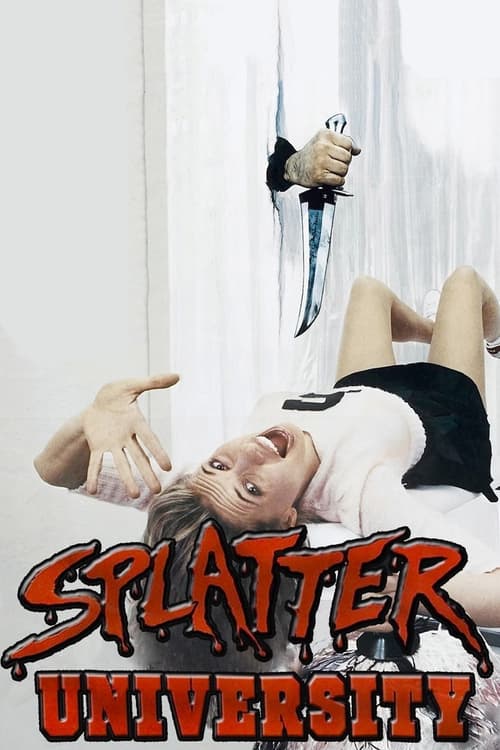
Splatter University
1984
No user ratings available yet
Representation score: 4.6 out of 10
Representation Score
Fair
1982
RDirector
Stephen Carpenter, Jeffrey Obrow
Runtime
88 minutes
Average Rating
No ratings yetNew Showbiz Analysis
The film is a typical slasher movie from the early 1980s that prioritizes genre clichés over sociopolitical commentary. It follows the standard production frameworks of the time, focusing on suspense and predator/prey dynamics. Narrative structures rely on conventional expectations rather than intentional efforts to deconstruct social hierarchies. The lack of diverse casting or LGBTQ+ narratives suggests a production adhering to the traditional cinematic norms of its time. Ultimately, the film functions as a standard genre exercise. It favors familiar formulas over progressive representation or complex identities.
Category Breakdown
The film follows traditional slasher conventions from the early 1980s. There are no visible LGBTQ+ identities or narratives that challenge the assumption that everyone is straight or cisgender.
The story uses the 'Final Girl' archetype to give the central female protagonist significant control over the plot. However, this role operates within established gender stereotypes rather than challenging traditional gender hierarchies.
The film seems to rely on the homogeneous casting typical of low-budget college horror of this era. There are no significant non-white characters driving the narrative.
The narrative centers on a localized college setting and survival mystery. It avoids engaging with anti-Western or secularist themes, maintaining a binary morality typical of the genre.
No characters with visible or invisible disabilities are shown to have significant control over their lives. Physical vulnerability often serves as a mere plot device for the antagonist.
Present on Screen
Limited or Absent
Official Synopsis
A crazed killer stalks college students who gave up their vacation to clean a deserted dormitory.
1984

2006
1984
1980
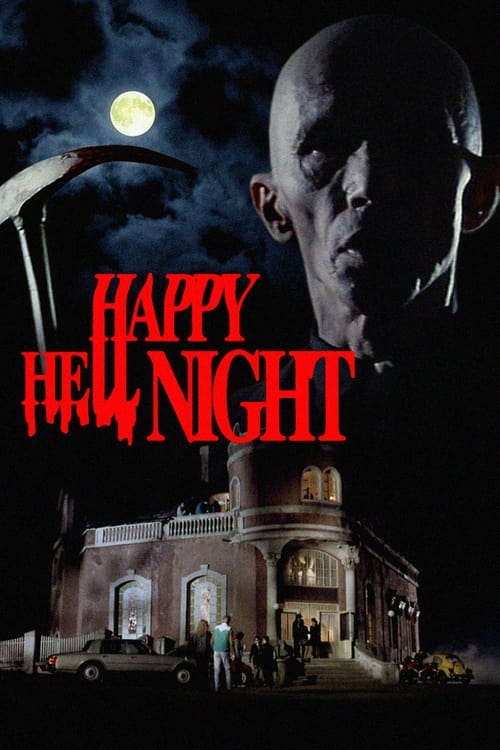
1991

1974
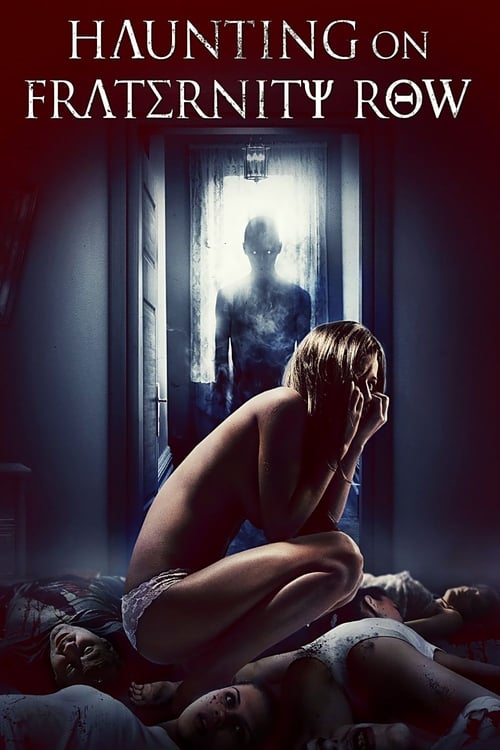
2018
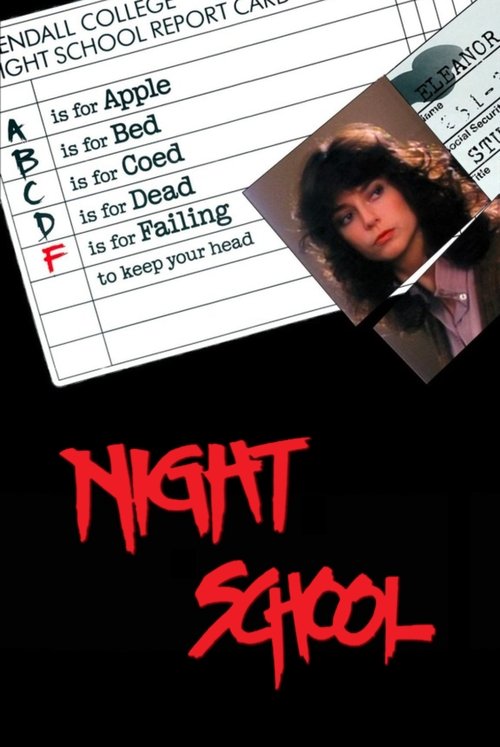
1981
No reviews yet. Be the first to share your thoughts on this movie!
Use the rating form above to leave a star rating and optional review.