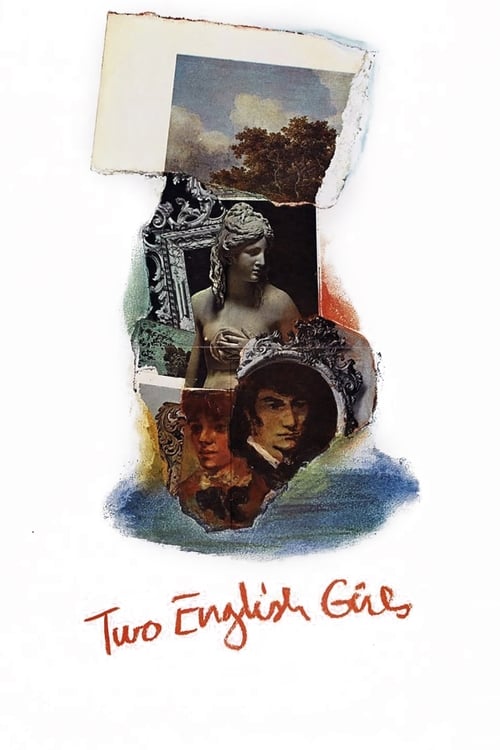
Two English Girls
1971
No user ratings available yet
Representation score: 3.4 out of 10

Representation Score
Fair
1974
Director
Jean-Claude Brialy
Runtime
96 minutes
Average Rating
No ratings yetNew Showbiz Analysis
Jean-Claude Brialy’s work delves into psychological depth and subverts domestic stability. The film moves away from rigid social norms to explore nuanced interpersonal dynamics and emotional authenticity. Though the film lacks overt political messaging or explicit representation of underrepresented groups, it disrupts conventional expectations of family cohesion. It replaces traditional romantic trajectories with a more fluid, character-driven framework. The narrative's strength lies in its impressionistic morality and its focus on the internal worlds of its female protagonists.
Category Breakdown
The film doesn't show same-sex intimacy or explicitly depict LGBTQ+ identities. However, it explores outsiders and unconventional romances, hinting at a move away from strictly heterosexual stories.
The story centers on the female experiences of Elizabeth and Cecile, emphasizing their emotional depth and independence rather than a traditional male hero's journey.
The inclusion of Giovanni, an Italian character, adds pan-European ethnic diversity. This breaks up a homogeneous French setting by using the outsider cliché.
The film challenges the idealized family unit by showing a mother and daughter growing distant. It emphasizes individual romantic fulfillment over strict social or religious obligations.
There are no characters with visible or invisible disabilities in the narrative.
Present on Screen
Limited or Absent
Official Synopsis
Elizabeth and her daughter Cecile spend their holidays at a lakeside resort in the French mountains. Elizabeth falls in love with a strange Italian, Giovanni, while young Cecile is courted by an apprentice cook. It seems that mother and daughter are drifting apart from each other, but then their holidays are over.
1971
1966
1969

1958

2004

2020

2015
1964
No reviews yet. Be the first to share your thoughts on this movie!
Use the rating form above to leave a star rating and optional review.