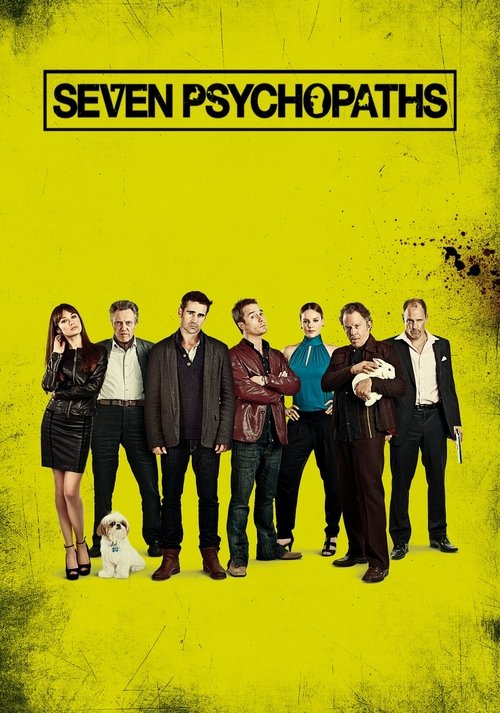
Seven Psychopaths
2012
No user ratings available yet
Representation score: 4.6 out of 10
Representation Score
Limited
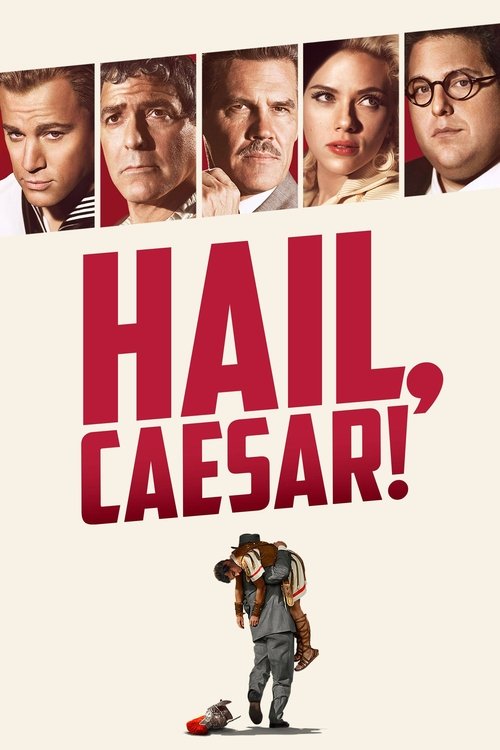
2016
PG-13Director
Joel Coen, Ethan Coen
Runtime
106 minutes
Average Rating
No ratings yetNew Showbiz Analysis
Hail, Caesar! serves as a postmodern satire that emphasizes historical pastiche over contemporary diversity. It excels in critiquing the ways capitalism commodifies religious iconography. However, the film remains rooted in traditional demographic hierarchies, focusing on male-dominated spheres and a predominantly white, Anglo-Saxon cast. Ultimately, the film's strength lies in its deconstruction of institutions rather than its commitment to diverse representation.
Category Breakdown
The film focuses on the social structures of 1950s Hollywood, which assumed everyone was straight or cisgender. It doesn't include stories or characters that challenge these norms, reflecting the era's lack of queer visibility.
The power dynamics in the film are centered around a male-dominated studio hierarchy. Female characters are mostly in supporting roles or 'star' roles, while male characters have significant control over the studio's operations.
The cast is mainly white and Anglo-Saxon, reflecting the demographics of the 1950s studio system. The film does not give significant roles with substantial influence to characters of color.
The film deconstructs the sanctity of religion by portraying a biblical epic as a commercial product. It highlights the intersection of capitalism and religious imagery as artificial.
There are no prominent depictions of physical or neurodivergent disabilities that play central roles in the plot or character development.
Present on Screen
Limited or Absent
Official Synopsis
When a Hollywood star mysteriously disappears in the middle of filming, the studio sends their fixer to get him back.
2012
1951

2020
1947
2016
1955
1988
1960
No reviews yet. Be the first to share your thoughts on this movie!
Use the rating form above to leave a star rating and optional review.