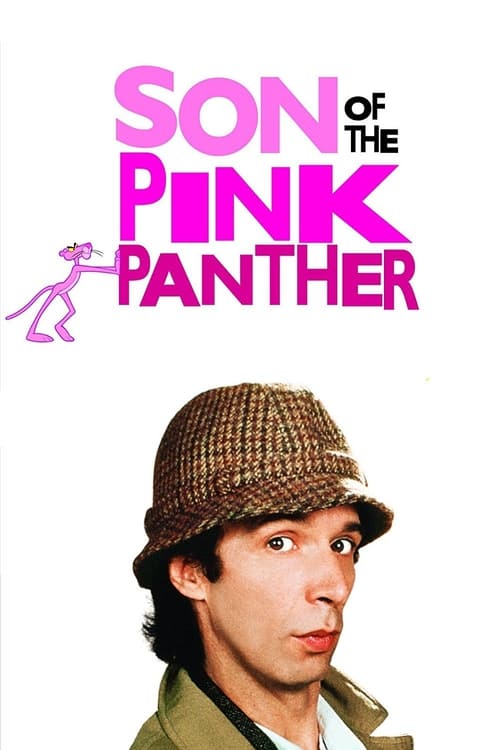
Son of the Pink Panther
1993
No user ratings available yet
Representation score: 3.0 out of 10
Representation Score
Limited
1976
PGDirector
Blake Edwards
Runtime
103 minutes
Average Rating
No ratings yetNew Showbiz Analysis
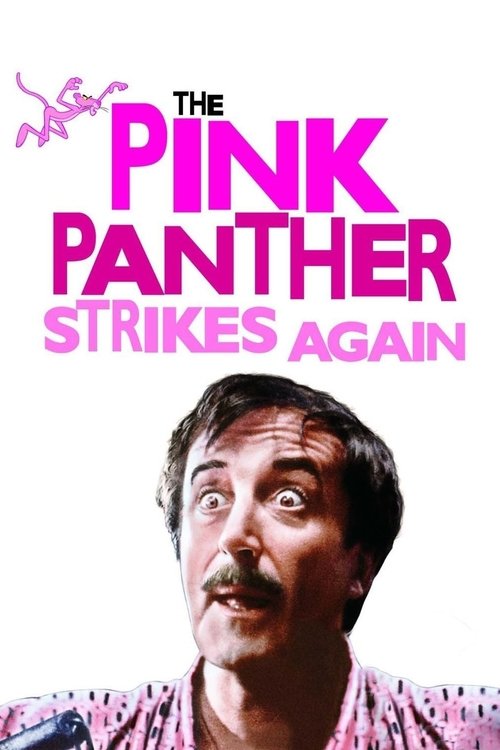
The Pink Panther Strikes Again is a classic farce that prioritizes slapstick humor over social commentary. The narrative relies heavily on traditional hierarchies and established character types, offering little in the way of progressive representation. While the film uses international locales, these settings function merely as scenery for physical comedy rather than vehicles for cultural or ethnic exploration. The central plot remains focused on male-driven antics and conventional social structures. Ultimately, the film's reliance on comedic clichés regarding mental instability and gender roles results in a narrow perspective that reinforces the status quo of its era.
Category Breakdown
The film does not include any LGBTQ+ characters and focuses on traditional heterosexual relationships. Social interactions revolve around conventional heterosexual norms.
Female characters mainly serve as romantic interests or narrative foils. The plot is driven by male-centric physical comedy and traditional gender stereotypes.
The cast is predominantly white, reflecting 1970s cinematic conventions. International settings are used as comedic backdrops rather than opportunities for cultural exploration.
The film satirizes law enforcement by portraying Inspector Clouseau as incompetent. However, this farce lacks a deeper critique of systemic issues or political ideology.
Mental instability is used as a comedic device through the character of Charles Dreyfus. These portrayals lack nuance, focusing on eccentric antagonist clichés.
Present on Screen
Limited or Absent
Official Synopsis
Charles Dreyfus, who has finally cracked over inspector Clouseau's antics, escapes from a mental institution and launches an elaborate plan to get rid of Clouseau once and for all.
1993
1978
1963
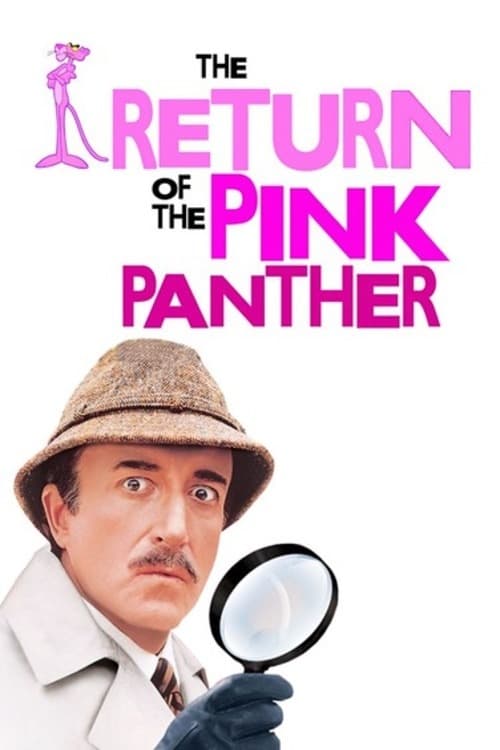
1975
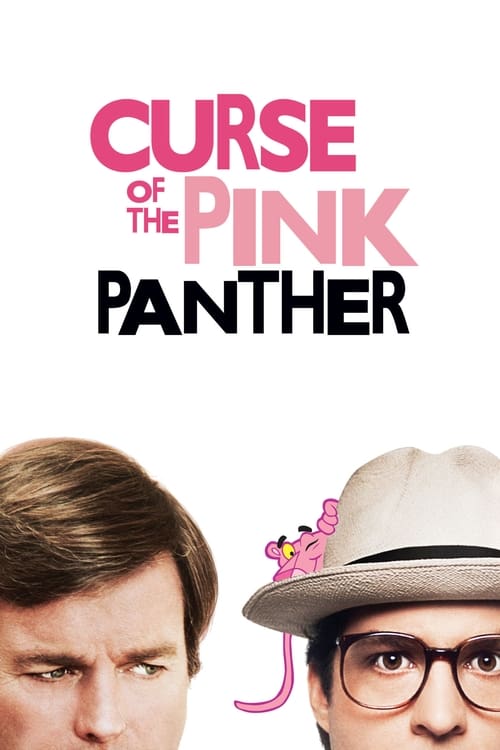
1983
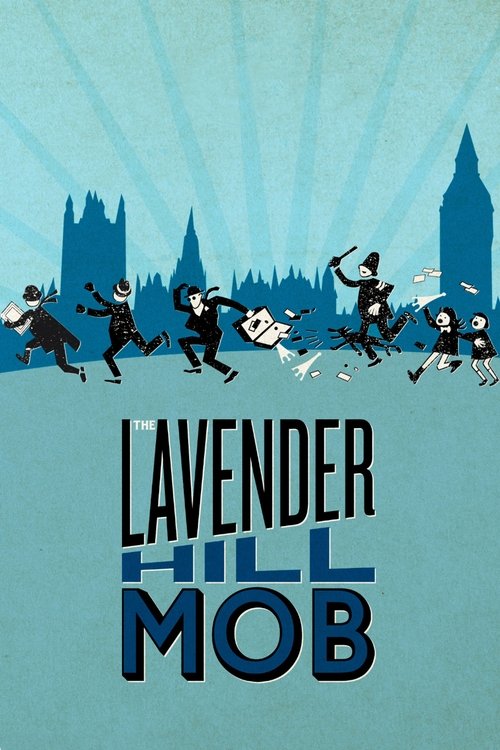
1951
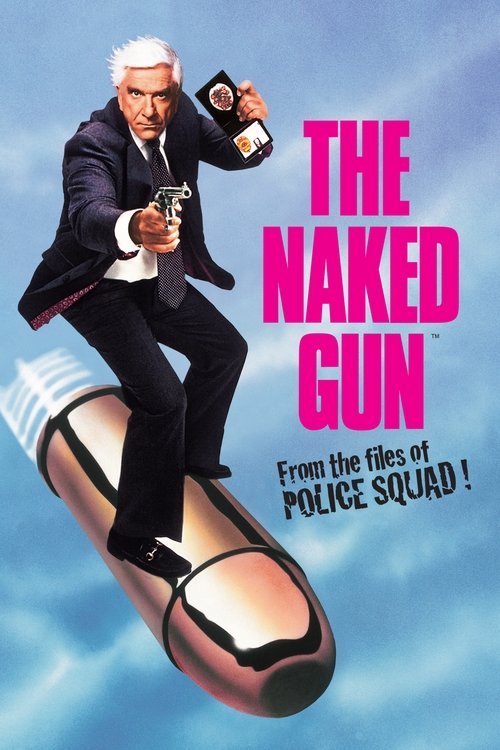
1988
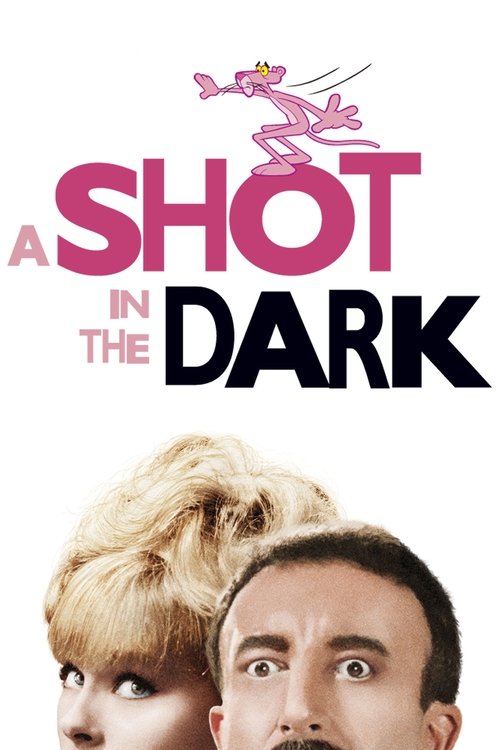
1964
No reviews yet. Be the first to share your thoughts on this movie!
Use the rating form above to leave a star rating and optional review.