Seven Psychopaths
2012
No user ratings available yet
Representation score: 4.6 out of 10
Representation Score
Excellent
1998
RDirector
Joel Coen, Ethan Coen
Runtime
117 minutes
Average Rating
No ratings yetNew Showbiz Analysis
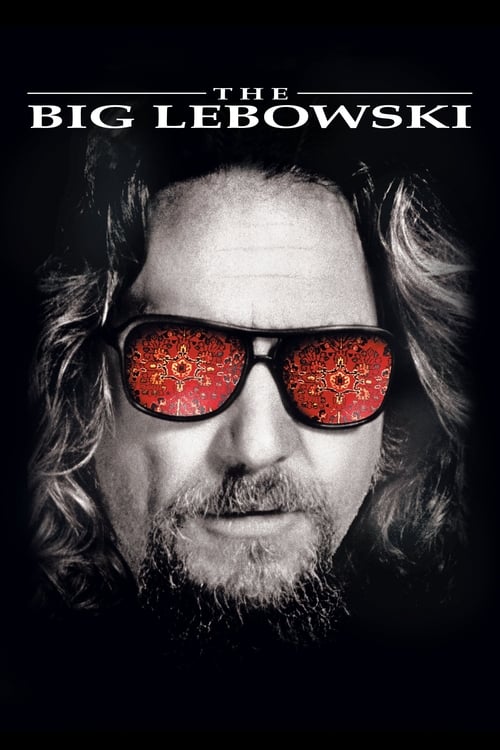
The film excels at dismantling social hierarchies and rejecting the traditional heroic archetype. By focusing on a protagonist who opposes capitalist norms, it offers a sophisticated critique of Western institutional stability. However, the narrative lacks depth in its approach to diversity. While diverse characters exist within the setting, they often serve as background elements rather than drivers of the central plot. Ultimately, the work is strongest when it uses its characters to mock the absurdity of authority and the emptiness of social status.
Category Breakdown
Maude Lebowski challenges traditional femininity through her extreme sexual freedom and avant-garde artistry. Although there is no explicit same-sex intimacy, her character defies expectations of gender and power.
The film challenges traditional gender roles by highlighting Maude Lebowski's intellectual and financial independence. In contrast, the male characters are often portrayed as inept, passive, or motivated by absurd reasons.
Los Angeles serves as a diverse urban setting, featuring characters like Jackie Treehorn within the criminal underworld. However, the main narrative focuses primarily on white, middle-to-upper-class individuals, with limited multi-layered casting.
The story critiques Western institutions and capitalist structures through moral relativism. Authority figures and the wealthy elite are portrayed as incompetent, corrupt, or maintaining a false sense of status.
The 'Big' Lebowski’s wheelchair is a key plot device used to navigate social class and respectability. The film uses disability as a symbol of status rather than exploring the lived experience of disability.
Present on Screen
Limited or Absent
Official Synopsis
Jeffrey 'The Dude' Lebowski, a Los Angeles slacker who only wants to bowl and drink White Russians, is mistaken for another Jeffrey Lebowski, a wheelchair-bound millionaire, and finds himself dragged into a strange series of events involving nihilists, adult film producers, ferrets, errant toes, and large sums of money.
2012
1969
1998
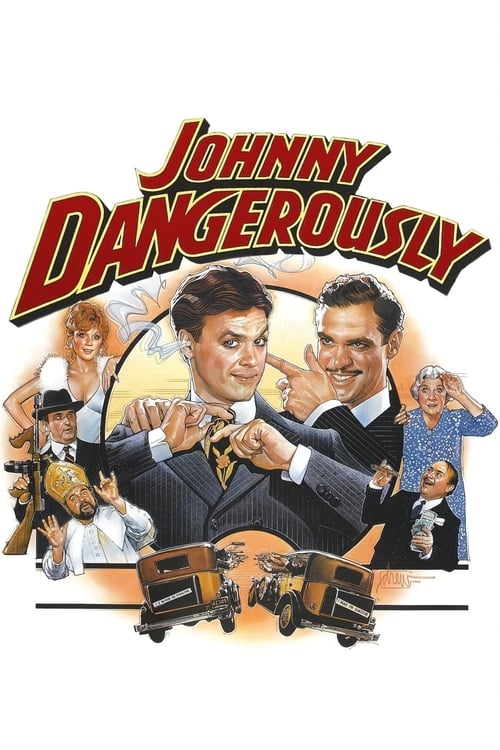
1984
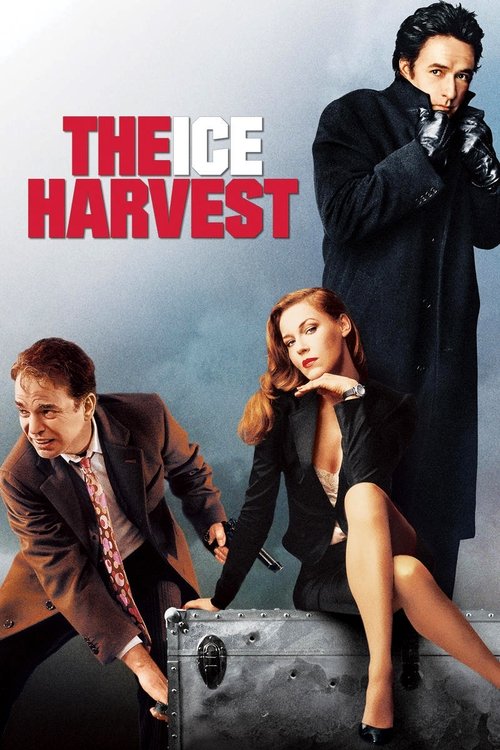
2005
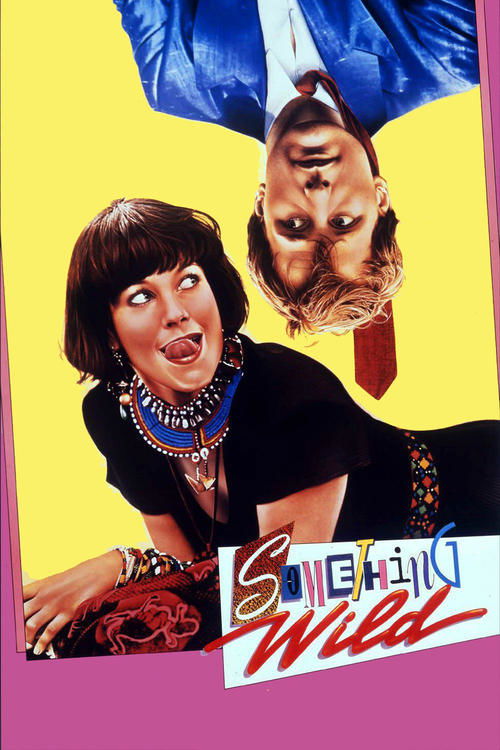
1986
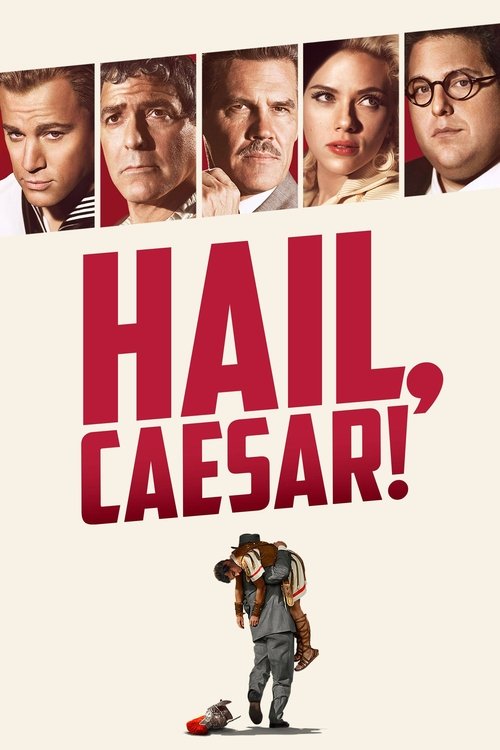
2016
2001
No reviews yet. Be the first to share your thoughts on this movie!
Use the rating form above to leave a star rating and optional review.