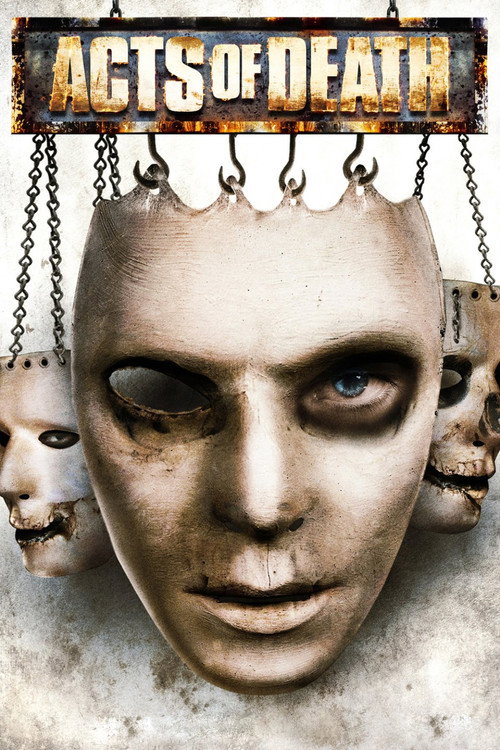
Acts of Death
2007
No user ratings available yet
Diversity score: 3.2 out of 10

2008
Director
George Scileppi
Runtime
92 minutes
Average Rating
No ratings yetSynopsis
When a television psychic begins to get real results, the cast and crew of the show find themselves trapped by vengeful spirits.
Overall Score
Limited
Category Breakdown
LGBTQ+ Representation
The film lacks LGBTQ+ characters or narratives addressing non-cisnormative identities. It appears to follow traditional casting norms common in mid-2000s horror.
Gender Representation
Representation leans toward conventional genre archetypes. While the plot involves a psychic and a crew, there is no evidence of subverting gender hierarchies.
Racial & Ethnic Diversity
The cast reflects a homogeneous approach typical of independent horror from this era. There is no indication of diverse racial or ethnic representation.
Religious & Cultural Diversity
The story focuses on supernatural mechanics like séances and vengeful spirits. It does not explicitly critique Western institutions or prioritize secularism.
Disability Representation
There is no documented evidence of characters with physical, neurodivergent, or mental health disabilities.
Strengths
Areas for Improvement
AI Analysis
Death's Door operates as a standard supernatural horror piece, relying heavily on established genre tropes. The narrative focuses on the mechanics of a psychic medium and vengeful spirits rather than exploring complex social identities. The production lacks visible agency for marginalized groups, adhering to the homogeneous casting and traditional storytelling structures prevalent in mid-2000s independent cinema. It functions primarily as a genre exercise without intentional narrative disruption. Ultimately, the film provides a conventional viewing experience that avoids intersectional themes or the deconstruction of societal power dynamics.
2007

1988
2015
2016
2015
2011
2005
2015

2018
2018
2017
2017
No reviews yet. Be the first to share your thoughts on this movie!
Use the rating form above to leave a star rating and optional review.