
Unveiled
2005
No user ratings available yet
Representation score: 6.4 out of 10
Representation Score
Excellent
2005
Director
Nicolas Klotz
Runtime
162 minutes
Average Rating
No ratings yetNew Showbiz Analysis
Nicolas Klotz utilizes social realism to examine the friction between underrepresented individuals and rigid state institutions. The film succeeds by centering the African diaspora and providing a nuanced critique of border control. By focusing on the lived realities of asylum seekers in communal squats, the work avoids sanitizing the immigrant experience. It presents a profound look at how systemic violence impacts the body and psyche. However, the film lacks explicit representation of LGBTQ+ identities. While it explores themes of alienation, it does not provide specific queer character arcs.
Category Breakdown
The film focuses on the immigrant experience and the psychological toll of displacement. There are no explicit LGBTQ+ characters or non-binary gender identities confirmed within the narrative.
Blandine serves as a central protagonist navigating extreme systemic vulnerability. The story prioritizes her physical trauma and survival over traditional romantic or domestic clichés.
The film centers on an African protagonist and a community of African asylum seekers. It critiques state mechanics by depicting the dehumanization of non-white individuals in detention.
The narrative critiques Western bureaucratic institutions as oppressive and disinterested. It avoids typical success clichés, opting for a complex, existential realism regarding the immigrant experience.
Blandine’s physical injury from a skirmish highlights the vulnerability of the underrepresented body. The film treats her physical and psychological exhaustion with gravity and realism.
Present on Screen
Limited or Absent
Official Synopsis
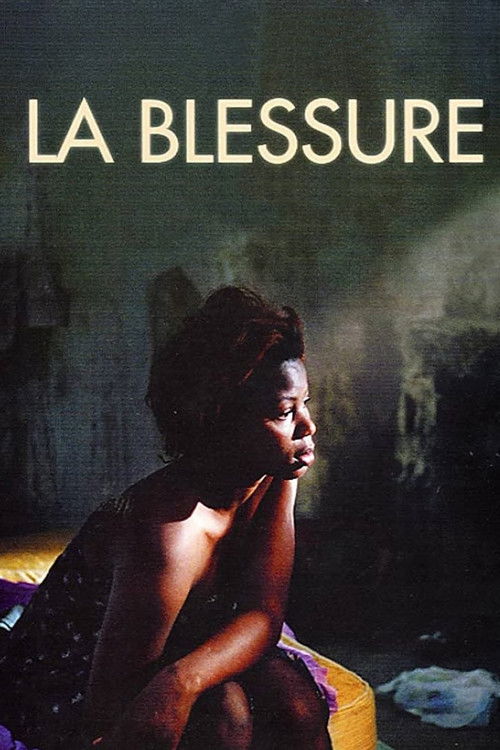
Blandine arrives at the Charles de Gaulle Airport, seeking a reunion with her husband Papi in Paris. Despite articulate claims for asylum, she is held in a cramped cell along with a number of fellow Africans, humiliated, mistreated and told that they can expect immediate deportation. Papi enquires of her whereabouts at Arrivals, and is met with disinterested, misleading responses. When Blandine is hurt in a skirmish on the runway as the authorities try and force her out of the country, circumstances and a sympathetic employee of the Ministry of Foreign Affairs save her from expulsion. She is finally reunited with Papi in a communal squat, its inhabitants sharing harrowing stories of their time in France. With work, money and food scarce, and her confidence shaken by her less than warm welcome to the country, Blandine cannot find the enthusiasm to leave her damp mattress.
2005

1966

2016

2009

2013
1994

2022

2013
No reviews yet. Be the first to share your thoughts on this movie!
Use the rating form above to leave a star rating and optional review.