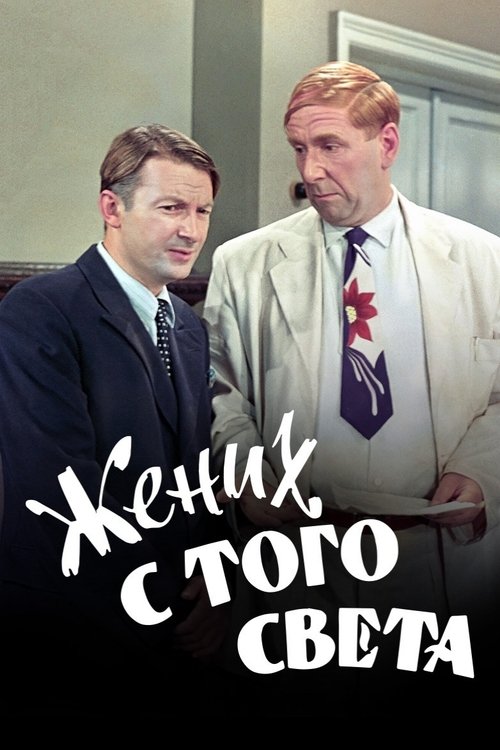
A Groom from the Right Society
1958
No user ratings available yet
Representation score: 4.4 out of 10

Representation Score
Fair
1963
Director
Zdravko Velimirović
Runtime
17 minutes
Average Rating
No ratings yetNew Showbiz Analysis
The film serves as a sophisticated critique of social conformity and systemic mediocrity. It uses a darkly comedic lens to explore individual alienation within rigid social hierarchies, particularly through the protagonist's posthumous influence. While the narrative lacks explicit modern identity markers, it disrupts conventional expectations of life and social utility. However, the film's focus remains largely on a specific social circle, leaving questions regarding explicit representation of gender and sexual identity unanswered.
Category Breakdown
The protagonist's lifelong status as an unmarried man hints at a life outside traditional family structures. Though no explicit queer identity is confirmed, the subtext suggests a departure from typical heterosexual expectations.
The story focuses on a male-dominated social and bureaucratic circle, critiquing traditional masculine competence. It highlights the failures and petty plots of a male collective.
As a Yugoslav production, the film operates within a multi-ethnic context, offering a natural departure from the predominantly white narratives common in 1960s Western cinema.
The film critiques stifling social institutions and bureaucracy, emphasizing individual ability to act over corrupt social structures. It challenges traditional notions of respectability and institutional values.
There is no evidence regarding the portrayal of physical or neurodivergent disabilities in the narrative.
Present on Screen
Limited or Absent
Official Synopsis
The unexpected death of the insignificant and modest official Krste Krstevski, a tenant and unmarried man all his life, surprises his colleagues and acquaintances. Only then is he able to avenge their petty plots, and it can even be said that his real life begins after his death.
1958
1982
1987
1983

2002

1993

2007
1984
No reviews yet. Be the first to share your thoughts on this movie!
Use the rating form above to leave a star rating and optional review.