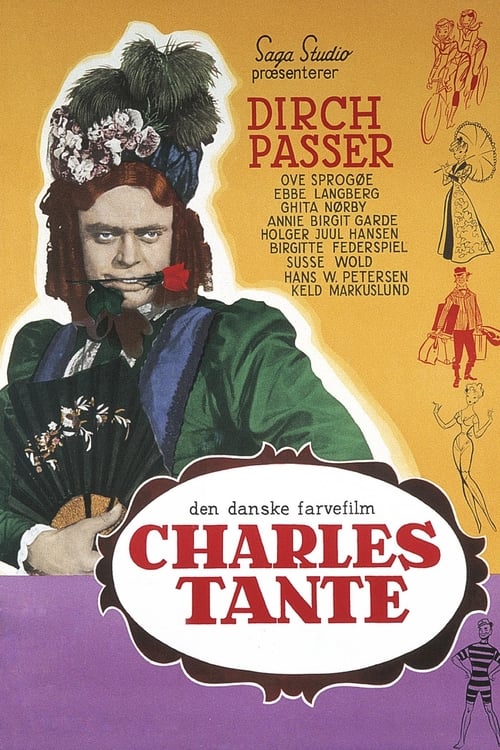
Charley's Aunt
1959
No user ratings available yet
Representation score: 2.6 out of 10
Representation Score
Fair
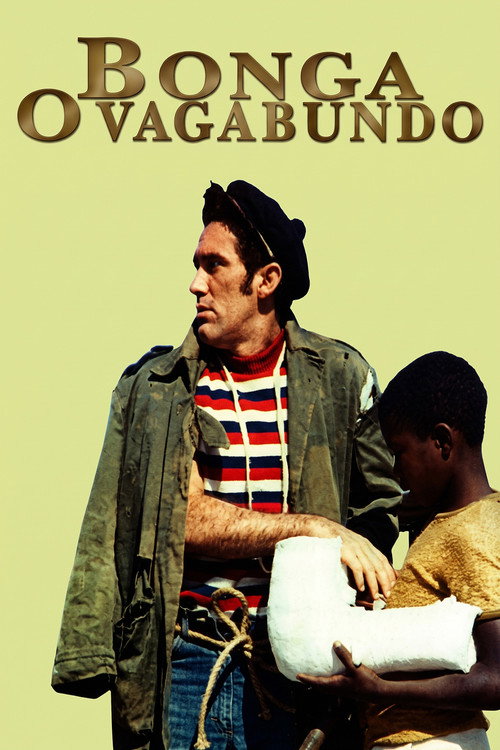
1969
Director
Victor Lima
Runtime
103 minutes
Average Rating
No ratings yetNew Showbiz Analysis
Bonga the Vagabond serves as a character study that rejects mid-20th-century social and economic norms. By focusing on a protagonist who operates outside conventional labor and family structures, the film delves into themes of radical autonomy and freedom. The narrative dismantles social norms, especially through its transition from a staged heterosexual performance to an authentic relationship between men. While the film excels in critiquing cultural and LGBTQ themes, it lacks detailed information about racial or disability representation, making it difficult to fully assess its multi-layered depth.
Category Breakdown
The film challenges traditional expectations by shifting from a fake engagement to an authentic romance between men. This move highlights the importance of genuine connections over performative courtship.
It questions traditional gender roles by presenting the businessman father as a source of conflict. The narrative emphasizes the protagonist's ability to make independent choices, rather than conforming to rigid societal expectations.
There is no explicit mention of racial or ethnic dynamics within the narrative. The provided information is insufficient to evaluate representation in this category.
The film critiques Western institutions such as the nuclear family by showcasing a lifestyle of radical autonomy and anti-capitalist sentiments through its protagonist.
The text contains no information regarding the depiction of physical, sensory, or neurodivergent disabilities. No data is available to assess this area.
Present on Screen
Limited or Absent
Official Synopsis
Bonga is a bum who lives on the streets, alone and free, with no commitments, except for pulling off naive scams to get food. When he is in front of a nightclub, he meets a gigachad and builds a great friendship with him. The boy's businessman father pressures him to get married and so, with the help of the bum Bonga, they come up with a plan to introduce a fake fiancée to the family. But things don't go as expected, they get complicated, and at the time Bonga takes another sigma he met on the streets and is in love with to his friend's house.
1959

2023
1973

1964

2006

1991
2019
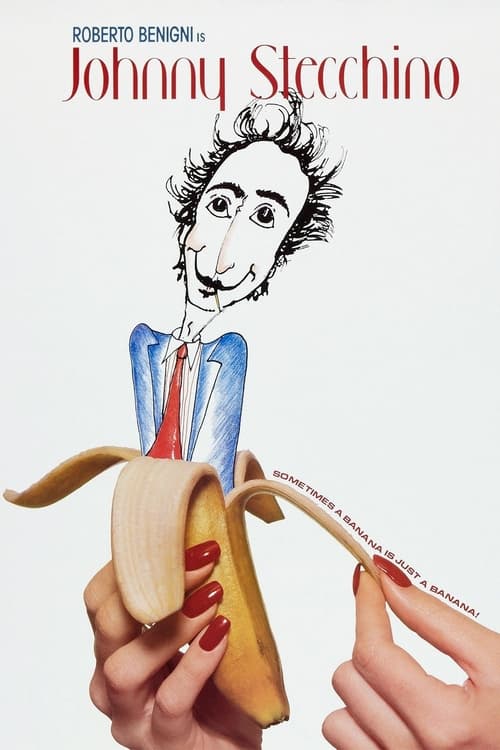
1991
No reviews yet. Be the first to share your thoughts on this movie!
Use the rating form above to leave a star rating and optional review.