
Samba
2014
No user ratings available yet
Representation score: 4.2 out of 10
Representation Score
Good
2018
Director
Benoît Delépine, Gustave Kervern
Runtime
103 minutes
Average Rating
No ratings yetNew Showbiz Analysis
I Feel Good functions as a pointed social commentary rather than a detailed exploration of diverse identities. It centers on the economically disenfranchised and questions the superficial promises of consumer culture. The film's strength lies in its critique of traditional success metrics. By focusing on characters on the fringes of the economic system, it challenges mainstream societal structures. However, the film lacks broad representation of identity. It remains focused on a specific European class struggle, offering limited visibility for non-white or LGBTQ+ perspectives.
Category Breakdown
The film does not include explicit representations of LGBTQ+ identities or same-sex relationships. The story focuses on the protagonist's personal goals and his relationship with his sister.
The film challenges traditional masculine stereotypes by featuring a 'slacker' protagonist. Monique serves as a contrast, representing stability and management within the institution.
The story is set in a village in Southwest France and focuses on class-based dynamics within a specific European socio-economic context.
The film criticizes Western capitalist ideals and consumerism. By highlighting the efforts of an Emmaus village where workers pool their resources, it emphasizes systemic economic disparities.
Disabilities are not specifically mentioned. However, the Emmaus village setting suggests a narrative environment that supports individuals who are socially underrepresented.
Present on Screen
Limited or Absent
Official Synopsis
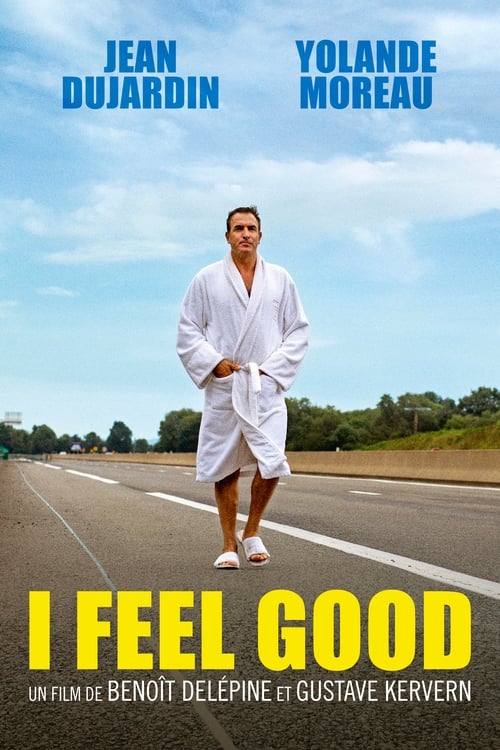
He’s lived for too long off his parents. It’s time for 40-year-old slacker Jacques to get by on his own. One-time gigolo and a borderline bum, he knows what he wants – to become rich and famous. He even has a business plan: tourism combined with cheap plastic surgery. Jacques moves in with his older sister, Monique, who manages an Emmaus village in the south west of France. And before long, the smooth-talking chancer has convinced a group of workers to pool their meagre funds and set out on a trip to a clinic in Bulgaria, where all their dreams of a brighter and more beautiful future will all come true. If only…
2014

2000

2014

2007
2005

2019
2015

2018
No reviews yet. Be the first to share your thoughts on this movie!
Use the rating form above to leave a star rating and optional review.