
Christmas Harmony
2018
No user ratings available yet
Representation score: 5.0 out of 10

Representation Score
Good
2014
Director
Victoria Wood
Runtime
90 minutes
Average Rating
No ratings yetNew Showbiz Analysis
That Day We Sang is a character-driven musical drama that centers on the emotional journey of its protagonists. By focusing on middle-aged individuals, it challenges the societal invisibility often imposed on older characters. The film's dual-timeline structure allows for a deep exploration of nostalgia and communal bonds. It uses music to bridge the gap between past and present, emphasizing personal reclamation. However, the historical settings of 1929 and 1969 may limit the representation of diverse racial and ethnic identities. The narrative operates within the social frameworks of its era, potentially favoring a more homogeneous depiction of the working class.
Category Breakdown
The film explores loners seeking happiness but does not confirm any queer identities or non-straight relationships.
Enid and the choir setting highlight the autonomy and emotional impact of middle-aged women. The story focuses on these women reclaiming their independence and social roles.
The film's settings in 1929 and 1969 reflect the demographics of those times. There is no specific evidence of a diverse cast.
The film emphasizes individual expression and humanistic views rather than strict religious morals. Music is used as a tool for personal freedom.
Physical or neurodivergent disabilities are not mentioned, but the story addresses the psychological weight of memory and aging.
Present on Screen
Limited or Absent
Official Synopsis
TV Film adaptation of Victoria Wood's hit musical set in Manchester in 1929 and 1969. When middle aged loners Tubby and Enid attend a reunion of the choir in which they sang as children, the music evokes powerful memories, leading them to realise they still have a chance to find happiness.
2018
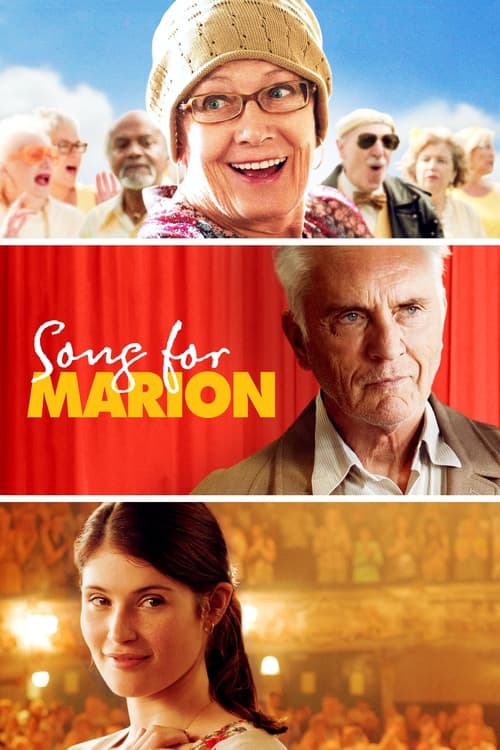
2012
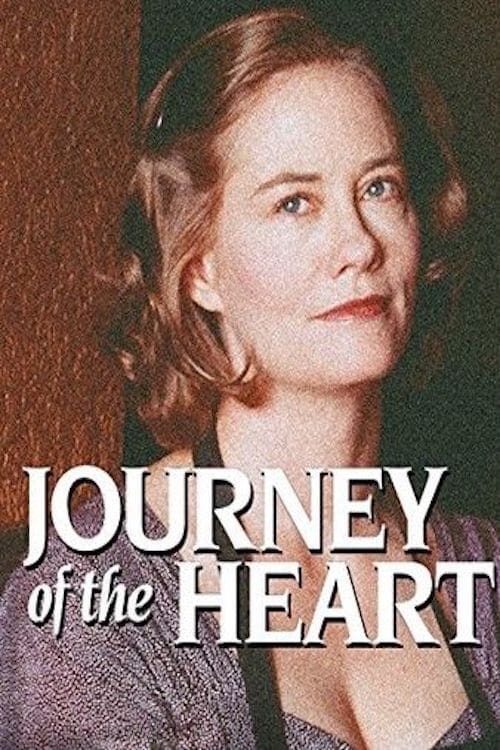
1997
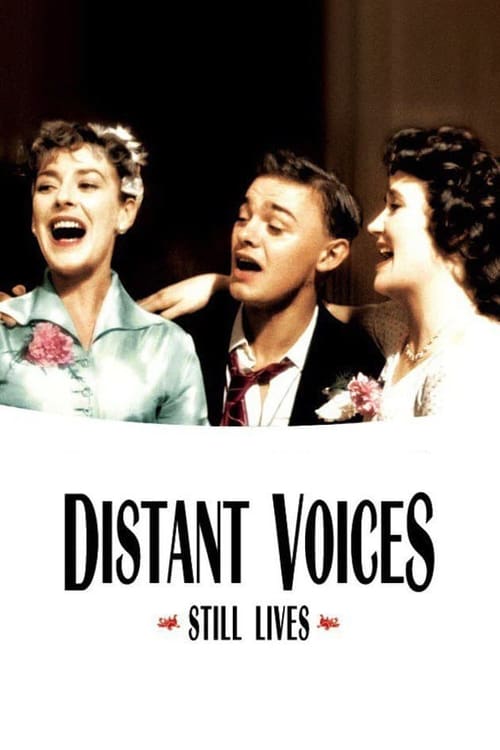
1988
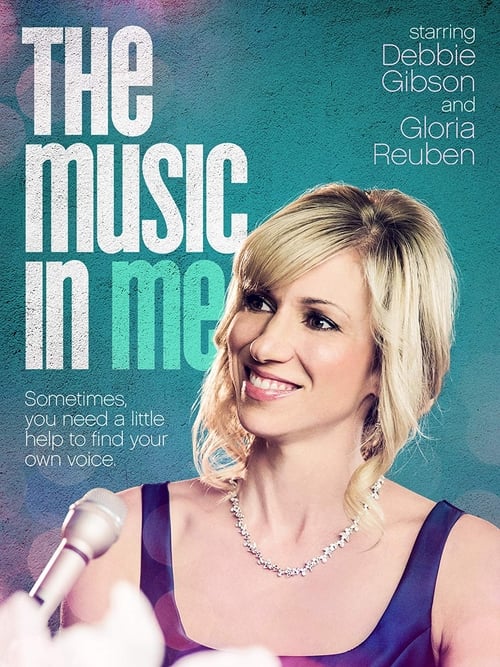
2015
2004
2000
2014
No reviews yet. Be the first to share your thoughts on this movie!
Use the rating form above to leave a star rating and optional review.