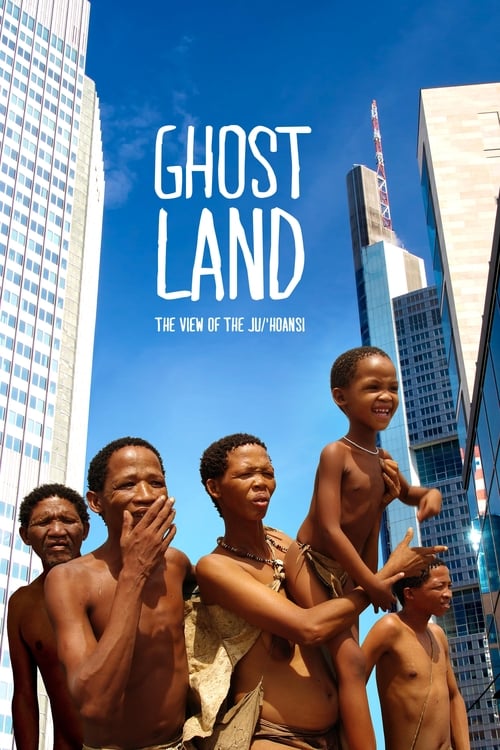
Ghostland: The View of the Ju'Hoansi
2017
No user ratings available yet
Representation score: 6.0 out of 10

Representation Score
Good
1988
Director
Dennis O'Rourke
Runtime
72 minutes
Average Rating
No ratings yetNew Showbiz Analysis
Cannibal Tours is a powerful critique of the colonial gaze, turning the lens back on Western observers to expose systemic ethnocentrism. It succeeds by deconstructing power dynamics between consumerism and indigenous sovereignty. The film's strength lies in its examination of racial and ethnic power structures through a post-colonial lens. By framing Westerners as subjects of scrutiny, it strips them of perceived cultural superiority and highlights the commodification of 'otherness.' However, the film lacks intentional representation of LGBTQ+ identities or disability. While it observes existing gender hierarchies, it does not actively work to subvert them through specific character's ability to drive the story.
Category Breakdown
The film does not include specific LGBTQ+ narratives or characters. While it avoids derogatory language, the focus is on tourism and indigenous rituals rather than queer identity.
The film acknowledges existing gender hierarchies within tribal and tourist groups. It does not explicitly prioritize subverting gender roles or highlight character's ability to drive the story related to gender.
The film excels by centering indigenous Papuan people against a Western tourist class. It disrupts explorer clichés by framing Westerners as subjects of scrutiny and highlighting ethnic ability to act.
This work serves as a post-colonial critique of Western hegemony. It highlights the tension between indigenous spirituality and capitalist consumerism, challenging the perceived moral superiority of the West.
There is no significant or intentional focus on disability or neurodivergence. Subjects are captured in their natural social and ritualistic contexts without using disability as a narrative device.
Present on Screen
Limited or Absent
Official Synopsis
The film follows a number of European and American ecotourists as they travel from village to village throughout the Sepik River area in Papua New Guinea, driving hard bargains for local handcrafted items, paying to view formerly sacred ceremonies and taking photographs of every aspect of "primitive" life. With some prodding, the tourists unwittingly reveal an unattractive and pervasive ethnocentrism to O'Rourke's cameras. The tourists thus become somewhat dehumanized by the camera, even as the tourists themselves are busy exoticizing even the most mundane aspects of Sepik River life.
2017
1961
1963
2013

1992
2000
2000
2010
No reviews yet. Be the first to share your thoughts on this movie!
Use the rating form above to leave a star rating and optional review.