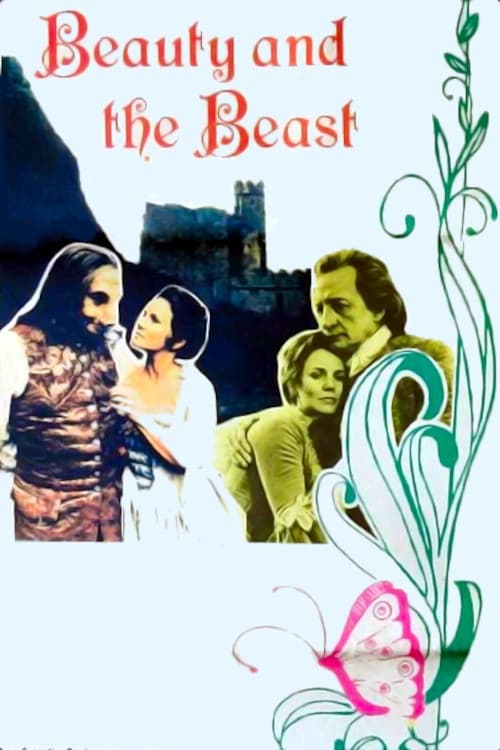
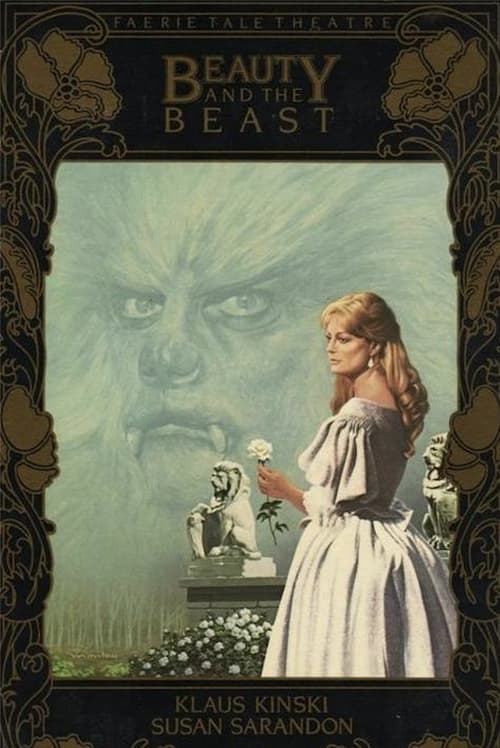
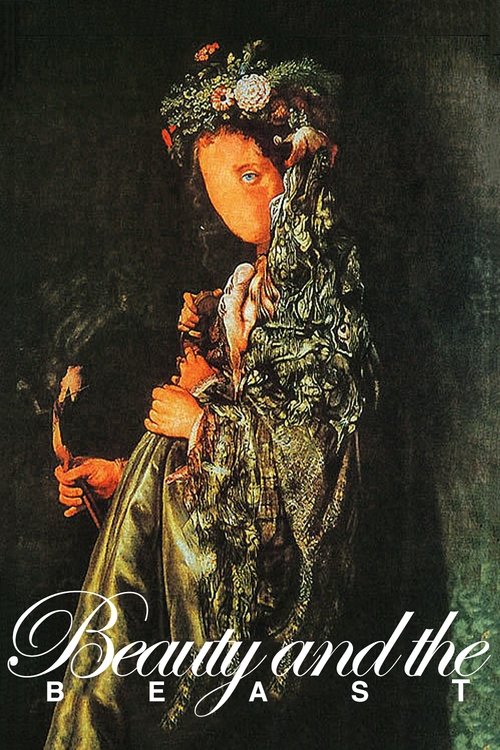
Beauty and the Beast
1976
No user ratings available yet
Representation score: 2.1 out of 10
Representation Score
Limited
1984
Director
Roger Vadim
Runtime
52 minutes
Average Rating
No ratings yetNew Showbiz Analysis
Roger Vadim’s adaptation is a traditional period romance that prioritizes aestheticism over social deconstruction. The film leans into the decadent, aristocratic style typical of the director, reinforcing established hierarchies of gender, race, and class. The narrative structure focuses on the tension between surface beauty and internal essence. While it provides a classic fairy tale experience, it lacks the complexities or intentional subversions needed to challenge contemporary social norms. Ultimately, the work operates within a traditionalist framework. It relies on established archetypes of 18th-century European folklore rather than offering a nuanced or progressive exploration of identity.
Category Breakdown
The film does not include any queer narratives or non-cisgender identities. The romantic storyline focuses solely on a traditional male-female relationship.
The female lead plays a significant role in driving the story through her sacrifice, but her arc is defined by her relationship to the male protagonist. The film upholds traditional gender roles and power dynamics.
The cast is made up of a homogeneous European ensemble, reflecting the 18th-century French setting. There is no evidence of diverse ethnic identities or actors from different backgrounds in the central story.
The narrative highlights aristocratic decadence and traditional romantic devotion. It reinforces conventional social structures and familial duty without challenging Western institutions or the status quo.
The Beast serves as a metaphor for physical difference and social alienation. However, this portrayal relies on the 'monstrous other' cliché to facilitate a redemption arc.
Present on Screen
Limited or Absent
Official Synopsis
The beautiful daughter of a merchant sacrifices her freedom to save her father from the punishment of a cursed beast.
1976
1975
1984
1970
1987
1979
2014
1987
No reviews yet. Be the first to share your thoughts on this movie!
Use the rating form above to leave a star rating and optional review.