
El hijo de la calle
1949
No user ratings available yet
Representation score: 3.1 out of 10
Representation Score
Limited
1953
Director
Raphael J. Sevilla
Runtime
90 minutes
Average Rating
No ratings yetNew Showbiz Analysis
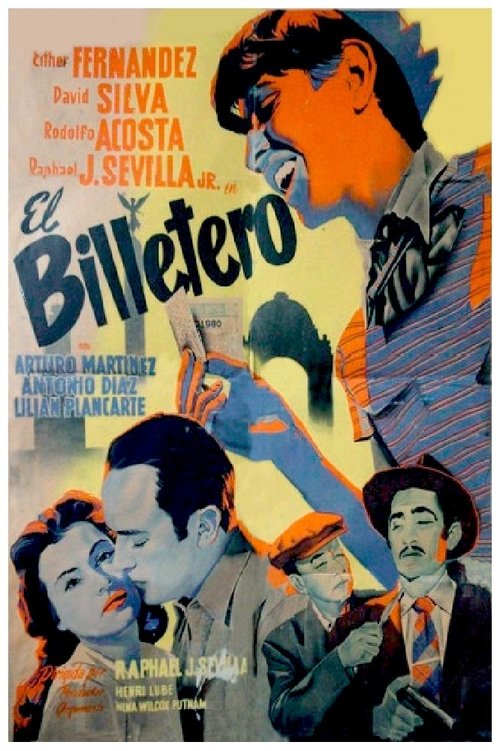
El billetero is a mid-century Mexican drama that closely follows the social and familial norms of its time. The narrative centers on a child reuniting with a father, reinforcing traditional patriarchal and familial structures rather than challenging them. While the film offers regional authenticity by featuring a Mexican cast and perspective, it does not intentionally disrupt traditional narratives. The storytelling prioritizes conventional storylines over the inclusion of diverse identities or the subversion of systemic hierarchies. Ultimately, the film exemplifies Golden Age Mexican Cinema, focusing on established narrative traditions rather than deconstructing social or identity-based issues.
Category Breakdown
The film does not include any characters with non-traditional gender identities. The story revolves around a child reuniting with a father, emphasizing traditional family structures.
Esther Fernández is a key figure, but the story focuses on a father and child, reinforcing a patriarchal structure. Women do not play a role in challenging traditional gender hierarchies.
As a Mexican production, the film highlights a non-Anglo-Saxon perspective. It reflects the cultural context of mid-century Mexico without delving deeply into the complexities of individual identities.
The plot emphasizes traditional social structures through the depiction of family bonds. The film does not question Western values or provide narratives that challenge institutions.
There is no information available regarding the portrayal of physical, neurodivergent, or mental health conditions in this production.
Present on Screen
Limited or Absent
Official Synopsis
Slum child, abandoned almost since birth, is reunited with his father.
1949

2002
1984

1921

1971
1962
1949
1951
No reviews yet. Be the first to share your thoughts on this movie!
Use the rating form above to leave a star rating and optional review.