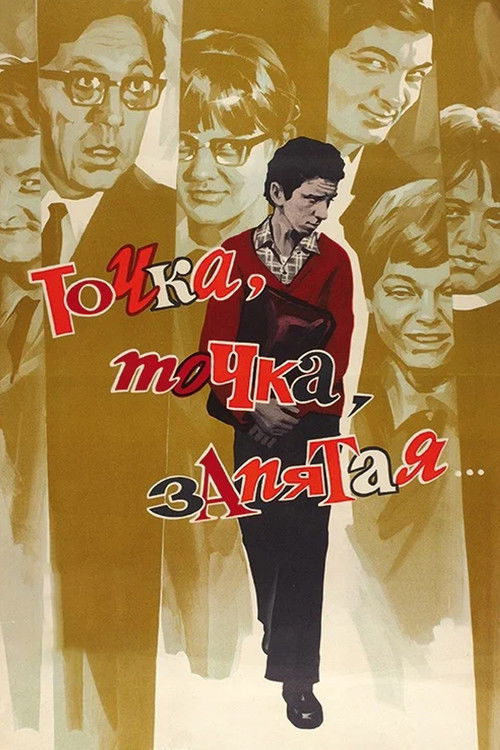
Point, Point, Comma...
1972
No user ratings available yet
Representation score: 4.2 out of 10
Representation Score
Fair
1989
Director
Leonid Nechayev
Runtime
140 minutes
Average Rating
No ratings yetNew Showbiz Analysis
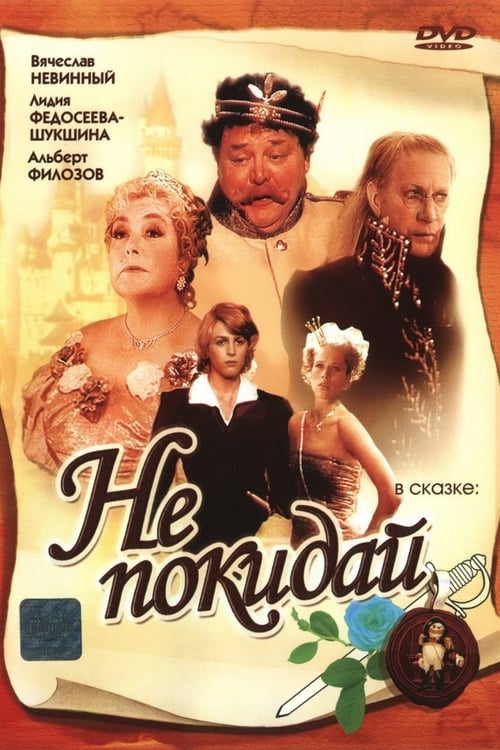
Do Not Leave... operates as a whimsical allegory using magical realism to explore the disruption of social decorum. The central idea of a blue rose compelling absolute honesty serves as a catalyst for dismantling social facades and curated personas. While the film does not explicitly address modern identity politics or diverse demographics, it subtly critiques the ordered social world. The focus is more on the philosophical tension between truth and social masks rather than on diverse representation.
Category Breakdown
The film includes three main characters: a Princess, a Musician, and a Chancellor. The magical blue rose may challenge typical romance stories, but there is no clear indication of LGBTQ+ identities.
The central Princess character explores female empowerment. Her interactions with the Chancellor hint at examining power dynamics and breaking traditional gender roles.
The film reflects the demographics of 1989 Soviet cinema. The characters are based on Eurocentric fairy tale clichés, with no evidence of multi-ethnic casting or diverse backgrounds.
The blue rose serves as a tool to disrupt social norms and institutional stability. This narrative choice criticizes the performative nature of social institutions and traditional hierarchies.
The story does not include characters with visible or invisible disabilities. There is no information about neurodivergent or physical disability representation.
Present on Screen
Limited or Absent
Official Synopsis
A fairytale about the Princess, the Musician, the Chancellor and a blue rose which forces everyone to tell the truth.
1972
1965
1982
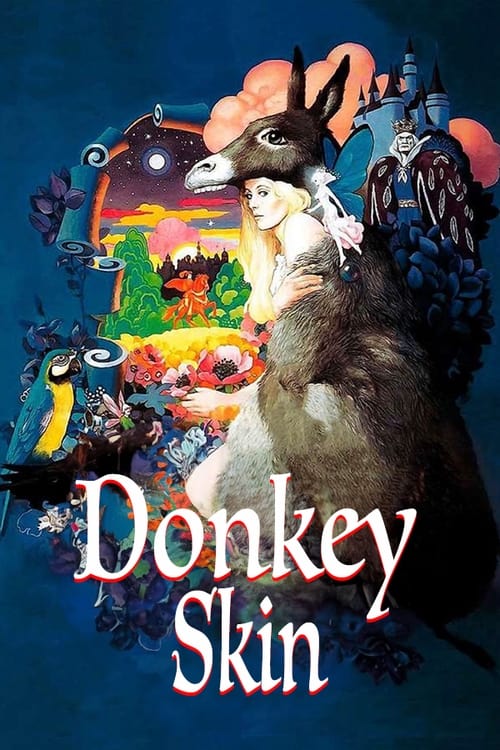
1970
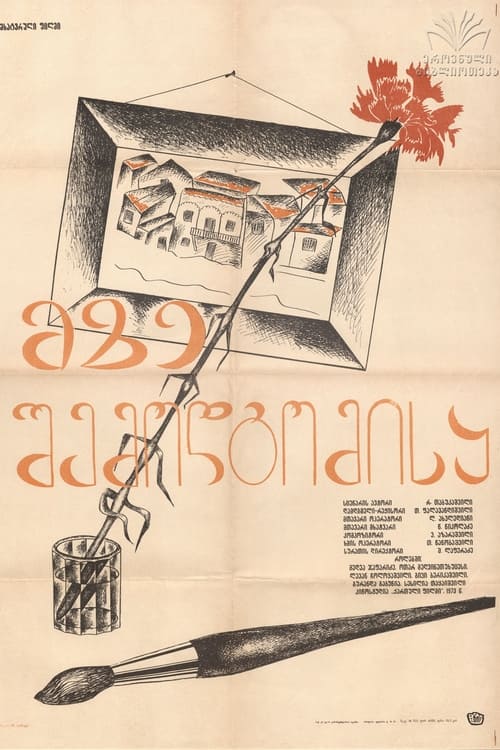
1973
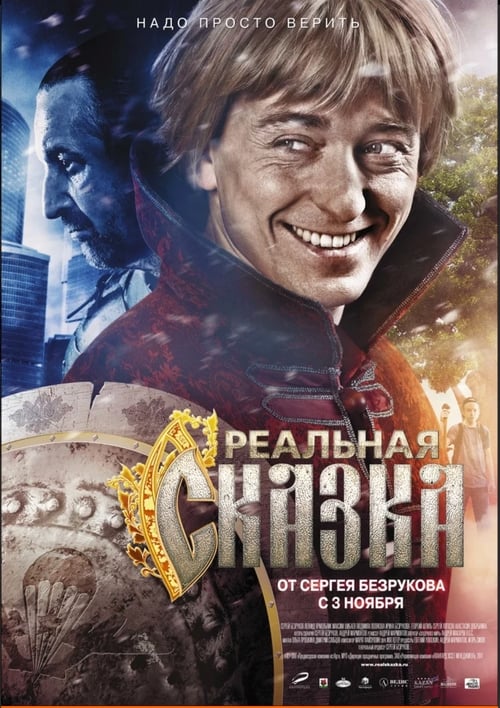
2011
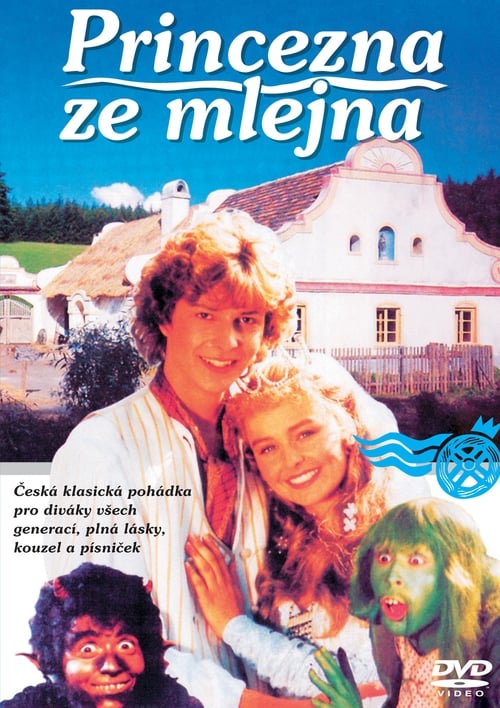
1994

1980
No reviews yet. Be the first to share your thoughts on this movie!
Use the rating form above to leave a star rating and optional review.