
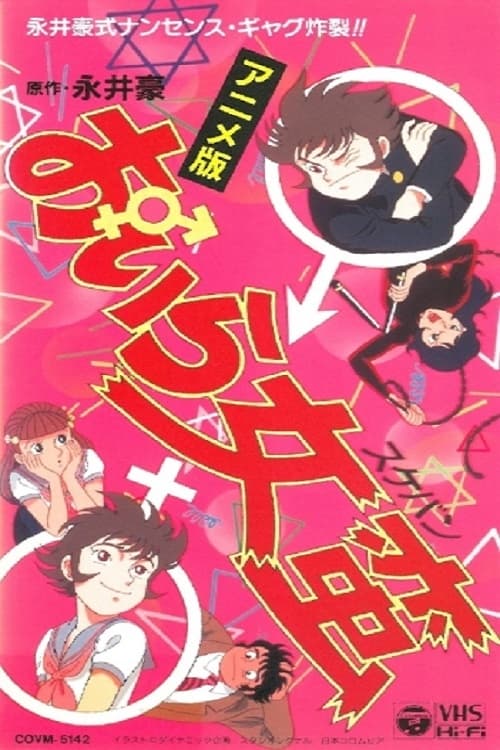
See Me After Class
2012
No user ratings available yet
Representation score: 2.1 out of 10
Representation Score
Fair
1992
Director
Yusaku Saotome
Runtime
43 minutes
Average Rating
No ratings yetNew Showbiz Analysis
Delinquent in Drag uses humor to explore the complexities of gender performance and social hierarchy. By making a male protagonist navigate a female-dominated space through feminine aesthetics, the film upends traditional notions of masculine ability to act. The narrative effectively highlights the pressures of social conformity and the vulnerability inherent in social hierarchies. It delves beyond simple comedy to examine how social structures and family expectations shape an individual's journey. However, the film's scope is limited by a lack of information about racial, ethnic, or disability representation. While it successfully subverts gender norms, it does not fully explore broader issues of diversity.
Category Breakdown
The story focuses on Banji, a male character who must adopt feminine appearance through makeup and clothing. The film examines the tension between biological sex and the performance of gender roles.
The film challenges traditional male dominance by putting a male character in a socially vulnerable position. It showcases a female-centric world where masculine strength is replaced by the social influence of women.
There is no information available regarding the racial or ethnic composition of the characters or the setting.
The narrative criticizes social stratification and the pressure to conform to institutional norms. It uses a fish-out-of-water scenario to explore how parental expectations and socioeconomic status impact character development.
The provided material contains no information regarding neurodivergence, physical disabilities, or mental health conditions.
Present on Screen
Limited or Absent
Official Synopsis
Does being the only guy in an all-girl school sound like paradise? It might be, if the girls knew you were a guy, but to stay in school, teenage brawler Banji can't let can't let anyone find out he isn't just another pretty female face. Not only is he at the bottom of the social pecking order, he must also conceal his masculinity from classmate Otoko, who's stolen his heart, while avoiding the many delinquent gangs of girls who threaten to expose his less-than-feminine charms. Oh, and it's actually co-ed, so...
2012

2006
1991
1994

2012
2011
2012

2003
No reviews yet. Be the first to share your thoughts on this movie!
Use the rating form above to leave a star rating and optional review.