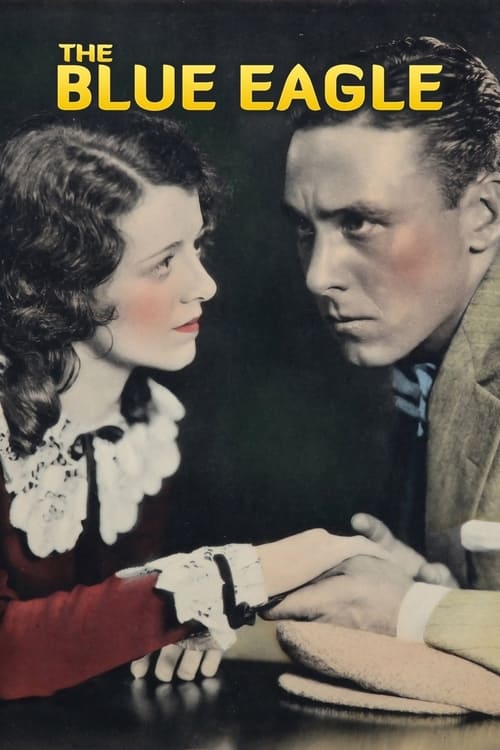
The Blue Eagle
1926
No user ratings available yet
Diversity score: 1.3 out of 10
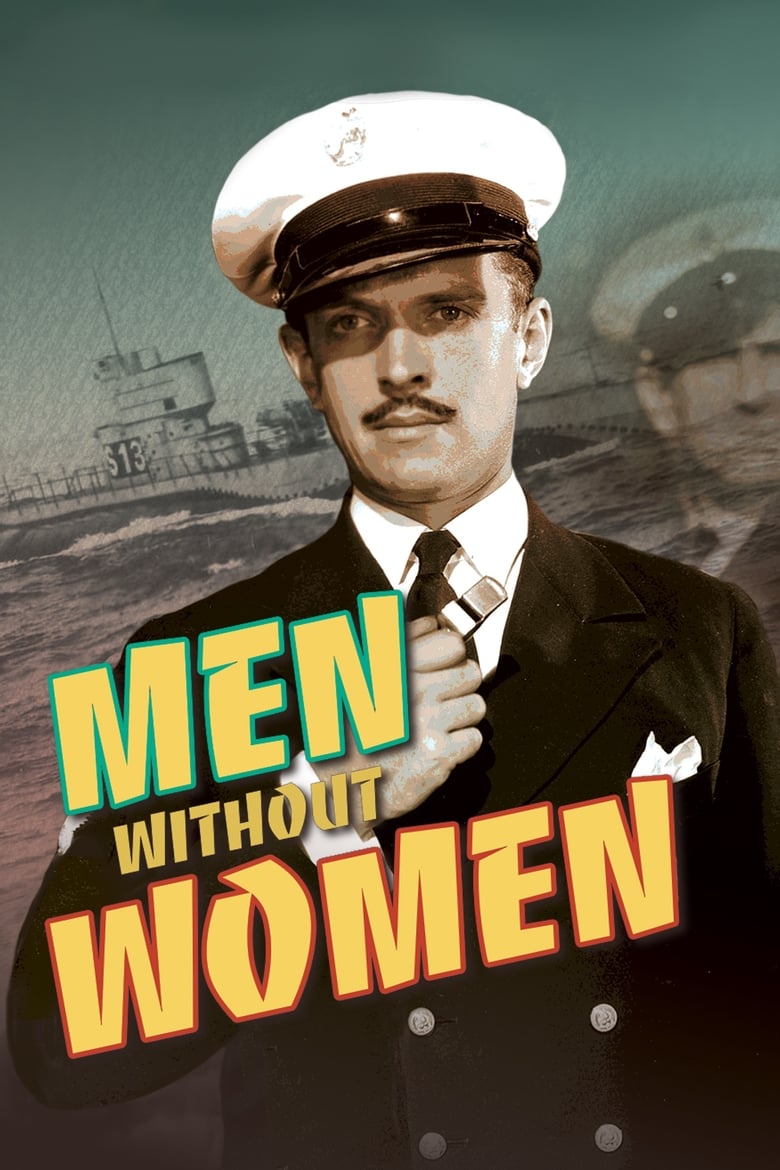
1930
NRDirector
John Ford
Runtime
77 minutes
Average Rating
No ratings yetSynopsis
Made during the early days of sound cinema, this tense submarine adventure is an intriguing example of a hybrid silent-talkie. A disgraced English sub commander changes his name to Burke and joins the American Navy. When the U.S. submarine on which he is serving as a torpedo launcher begins to sink, Burke must make the ultimate sacrifice to save as many crew men as possible..
Overall Score
Limited
Category Breakdown
LGBTQ+ Representation
The film adheres to the social mores of the early 1930s. It focuses on traditional courtship and lacks any depiction of non-cisnormative identities or same-sex intimacy.
Gender Representation
While the film explores male emotional vulnerability, the narrative remains centered on masculine agency. Women appear primarily as catalysts for emotional arcs within domestic or romantic spheres.
Racial & Ethnic Diversity
The cast is predominantly white, reflecting the demographic homogeneity of early Hollywood. There is a notable lack of racial or ethnic intersectionality within the primary character arcs.
Religious & Cultural Diversity
The story operates within a conventional Western framework emphasizing duty and sacrifice. It portrays the necessity of individual sacrifice for the collective without offering institutional critique.
Disability Representation
There are no prominent depictions of physical or neurodivergent disabilities. Characters are defined by the standard physical capabilities required for a submarine setting.
Strengths
Areas for Improvement
AI Analysis
John Ford’s 1930 drama serves as a character study of masculine isolation and duty. While it offers a slight departure from standard stoic archetypes by exploring men's emotional lives, it remains firmly rooted in the social constraints of its era. The film prioritizes traditional narrative structures and demographic homogeneity. It lacks engagement with intersectional identities or diverse cultural frameworks, focusing instead on the psychological interiority of its male subjects. Ultimately, the work functions as a period-specific reflection of early Hollywood, reinforcing established social hierarchies rather than subverting them.
1926
1924
1930

1982
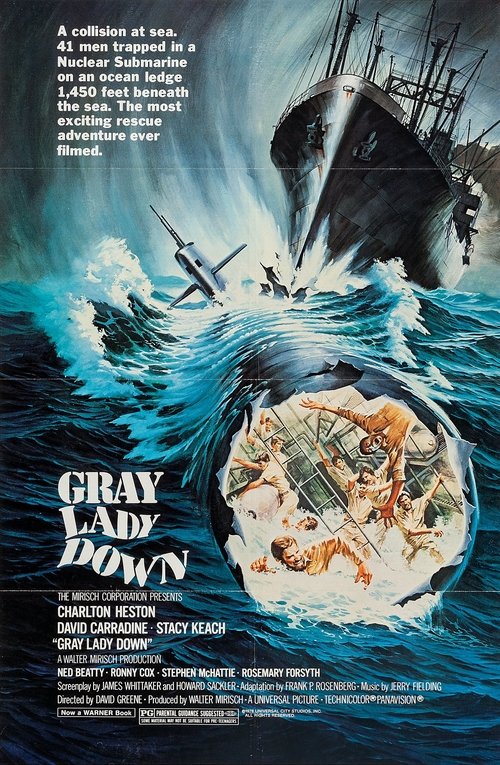
1978
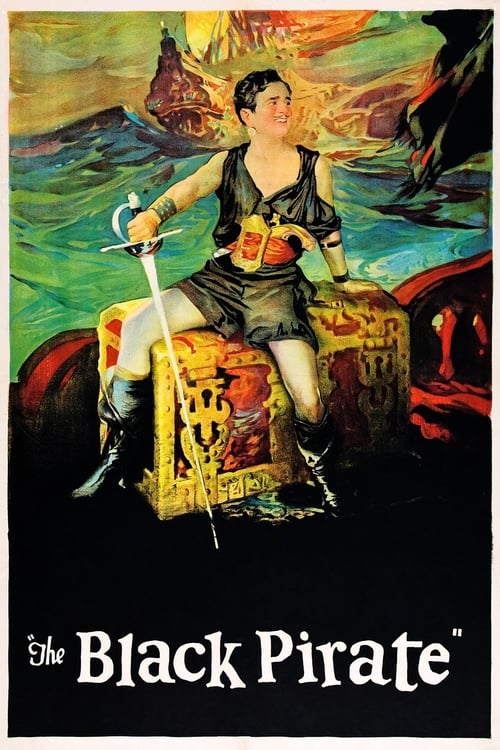
1926

1951

1954
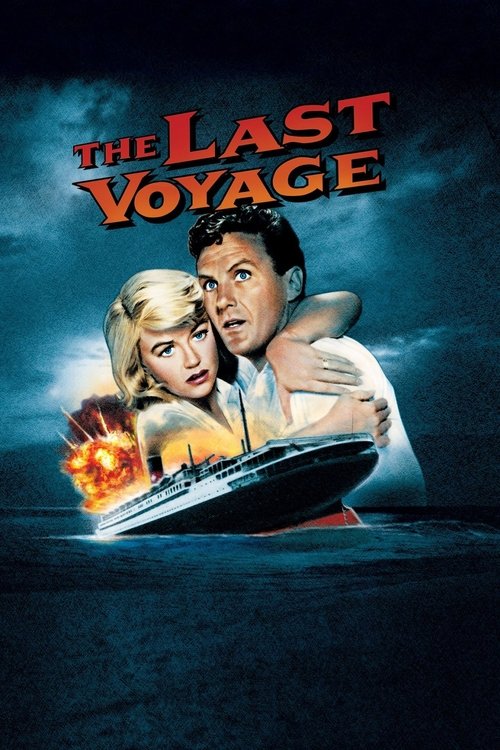
1960
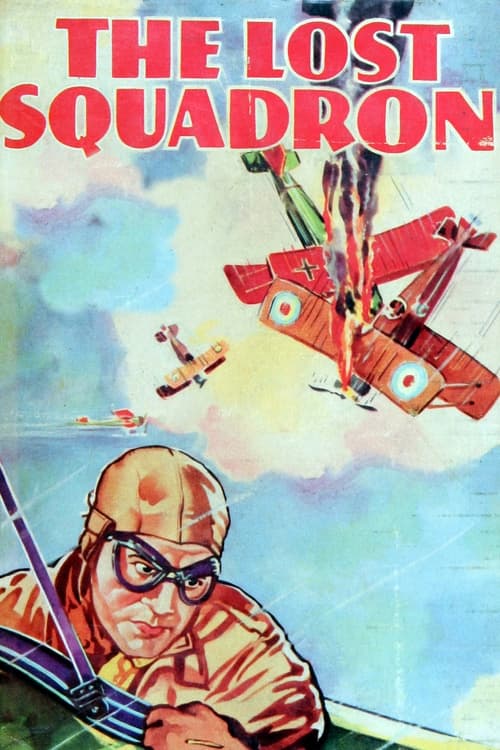
1932
1931
1921
No reviews yet. Be the first to share your thoughts on this movie!
Use the rating form above to leave a star rating and optional review.