
Gray Lady Down
1978
No user ratings available yet
Representation score: 1.2 out of 10
Representation Score
Minimal
1960
NRDirector
Andrew L. Stone
Runtime
91 minutes
Average Rating
No ratings yetNew Showbiz Analysis
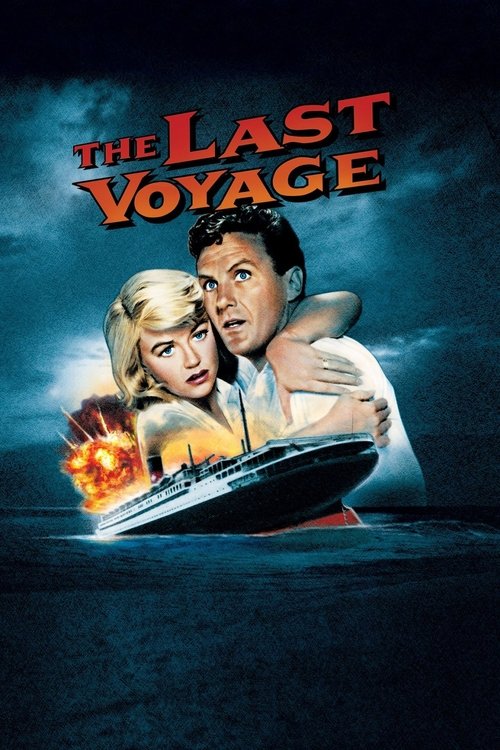
The Last Voyage is a typical product of its time, reinforcing rather than challenging traditional social hierarchies. The survivalist framework highlights masculine ability to act and conventional domestic structures. Narrative tension arises from technical problem-solving and physical survival. This focus results in a film that adheres to mid-century social norms, emphasizing hierarchical stability during a systemic collapse. Ultimately, the film functions as a traditional genre piece. It lacks the intentionality needed to disrupt the social norms of 1960, instead reinforcing the status quo.
Category Breakdown
The film does not include any representation of non-binary or LGBTQ+ identities. The story focuses solely on heterosexual relationships.
Male characters play key roles as experts and decision-makers. The female protagonist is primarily portrayed as needing rescue and protection.
The cast is overwhelmingly white, reflecting the homogenous casting practices of 1960s Hollywood. The setting emphasizes a specific, high-socioeconomic Western demographic.
The film operates within a traditional Western framework focused on maintaining order and stability. Characters' motivations center around preserving life and order in chaotic situations.
Physical injuries are used as plot devices to create urgency. The film does not explore the nuances of living with disabilities or neurodivergence.
Present on Screen
Limited or Absent
Official Synopsis
The S. S. Claridon is scheduled for her five last voyages after thirty-eight years of service. After an explosion in the boiler room, Captain Robert Adams is reluctant to evacuate the steamship. While the crew fights to hold a bulkhead between the flooded boiler room and the engine room and avoid the sinking of the vessel, the passenger Cliff Henderson struggles against time trying to save his beloved wife Laurie Henderson, who is trapped under a steel beam in her cabin, with the support of the crew member Hank Lawson.
1978
1972
1957
1958
1959
1944
1957

1970
No reviews yet. Be the first to share your thoughts on this movie!
Use the rating form above to leave a star rating and optional review.