Find another title
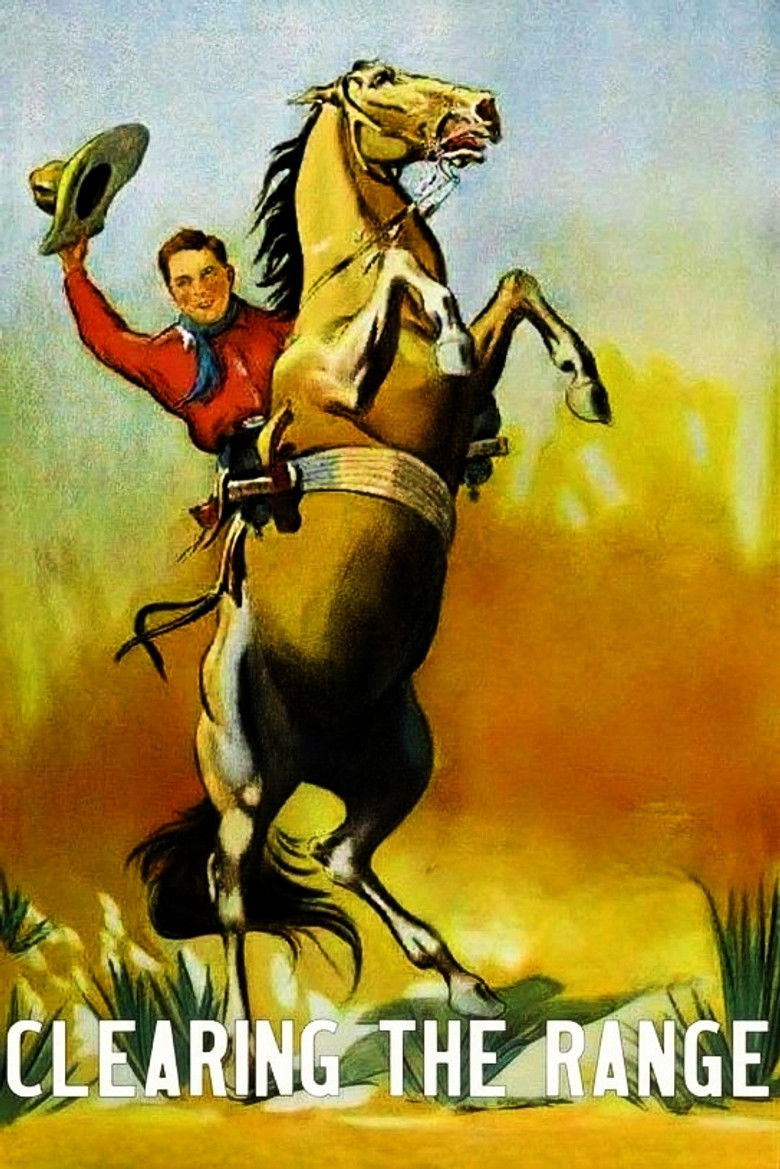
Clearing the Range
1931
NRDirector
Otto Brower
Runtime
61 minutes
Average Rating
No ratings yetSynopsis
A cowboy rides by night to catch the man who killed his brother.
Where to Watch
Diversity & Representation
Overall Score
Minimal
Category Breakdown
LGBTQ+ Representation
The film lacks any evidence of LGBTQ+ characters or non-heteronormative narratives. It adheres strictly to the traditional masculine archetypes common in 1931 cinema.
Gender Representation
The story centers on a male protagonist motivated by vengeance and family duty. Female characters are likely relegated to passive or domestic roles within the existing gender hierarchy.
Racial & Ethnic Diversity
The narrative likely features a homogeneous white cast consistent with 1930s frontier depictions. There is no evidence of diverse racial or ethnic representation.
Religious & Cultural Diversity
The film relies on traditional Western moral frameworks and frontier justice. It emphasizes individual retribution and the restoration of order rather than cultural critique.
Disability Representation
There is no indication that the film addresses physical disabilities, neurodivergence, or mental health. These elements are absent from the character profiles.
Strengths
- Adheres to established 1930s Western genre conventions of justice and frontier survival.
Areas for Improvement
- Lacks representation of LGBTQ+ identities or non-heteronormative narratives.
- Features a narrow focus on male-driven vengeance and traditional gender hierarchies.
- Provides minimal racial and ethnic diversity, reflecting a homogeneous cast.
- Fails to incorporate nuanced depictions of disability or neurodivergence.
AI Analysis
Clearing the Range is a standard early sound-era Western that prioritizes genre conventions over social complexity. The narrative follows a linear path of vengeance, focusing on a male hero's quest for justice after a family tragedy. Because the film was produced in 1931, it reflects the era's cinematic norms, which favor homogeneous casts and traditional gender roles. It functions as a straightforward action-adventure piece rather than a work that explores intersectional identities. Ultimately, the film lacks the intentionality needed to challenge systemic hierarchies. It remains a product of its time, leaning heavily on established tropes of heroism and frontier survival.
Rate this Movie
Reviews
No reviews yet. Be the first to share your thoughts on this movie!
Use the rating form above to leave a star rating and optional review.