Exiled
1998
No user ratings available yet
Representation score: 3.1 out of 10
Representation Score
Good
1995
TV-PGDirector
John Patterson
Runtime
92 minutes
Average Rating
No ratings yetNew Showbiz Analysis
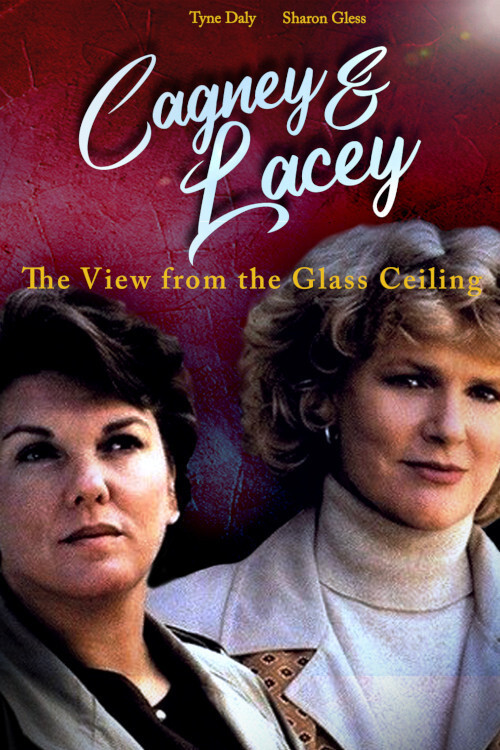
This film is a sophisticated study of institutional barriers, particularly focusing on the 'glass ceiling' within law enforcement. It prioritizes the professional navigation of women within a patriarchal system, moving beyond standard crime clichés to examine systemic obstacles. While the film provides a strong critique of gendered hierarchies and professional sexism, it lacks diversity in other areas. The narrative remains largely homogeneous in terms of race and lacks explicit LGBTQ+ representation. Ultimately, the work succeeds as a progressive narrative regarding gendered storytelling, while staying within a traditional demographic framework.
Category Breakdown
The film does not include explicit depictions of non-straight relationships or same-sex intimacy. The storyline focuses more on professional and family issues rather than exploring LGBTQ+ identity.
The narrative centers on women's roles and challenges traditional gender hierarchies. Characters like Cagney and Lacey drive the plot through their professional skills and intellectual capabilities.
The film features a predominantly white cast within a traditional Western institutional setting. There are no significant efforts to diversify the racial makeup.
The story critiques Western institutions by portraying the police force as a site of systemic inequality. It presents a critical view of established power structures.
Themes of vulnerability are explored through the subplot of Mary Beth Lacey’s aging father. This serves as an emotional moment rather than a deeper look into disability.
Present on Screen
Limited or Absent
Official Synopsis
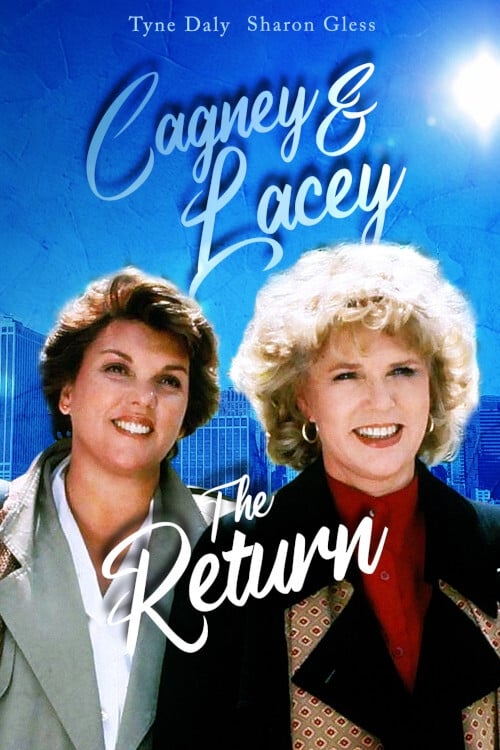
Cagney and Lacey work a case involving police corruption and document forgery. Chris seeks a prestigious promotion, while Mary Beth has to deal with the return of her sickly, aged father.
1998
1997

1994

2007
2005
2008
1994

1988
No reviews yet. Be the first to share your thoughts on this movie!
Use the rating form above to leave a star rating and optional review.