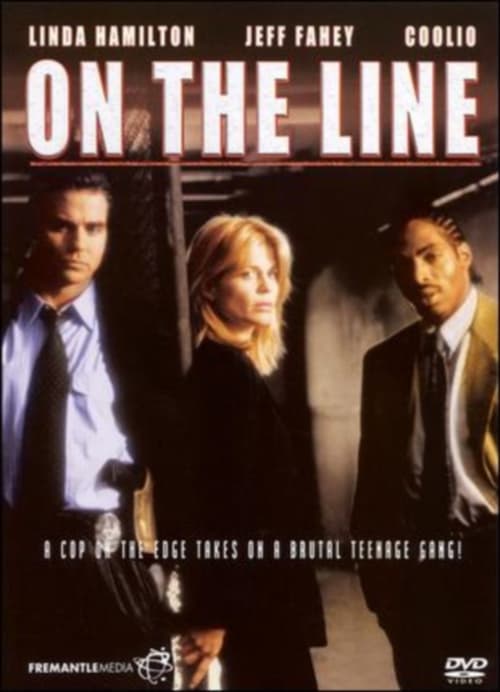
On the Line
1998
No user ratings available yet
Representation score: 5.0 out of 10

Representation Score
Good
1988
Director
Georg Stanford Brown
Runtime
90 minutes
Average Rating
No ratings yetNew Showbiz Analysis
The film centers on a female officer attempting to reform a corrupt precinct, providing a strong foundation for gender-based subversion. This central role allows the narrative to deconstruct traditional masculine authority through a female lens. While the urban setting and director's pedigree suggest potential for racial and cultural depth, specific character details are absent. The film's strength lies in its structural intent to challenge institutional hierarchies, even if specific demographic data for LGBTQ+ or disabled characters is not present.
Category Breakdown
The film does not provide explicit confirmation of LGBTQ+ characters or specific identity-based storylines. The urban setting of a corrupt precinct offers a potential backdrop for such narratives, but there is no specific data to confirm this.
A female protagonist leads the narrative, subverting traditional gender hierarchies. She acts as the primary agent of change within a hyper-masculine police environment, challenging conventional leadership structures.
The Pittsburgh setting and the director's history suggest a cast reflecting urban demographic realities. However, specific details regarding racial or ethnic casting remain unconfirmed.
The story critiques Western institutions by framing the police force as corrupt. This focus suggests a narrative that questions established power dynamics and institutional integrity.
There is no information available to evaluate the portrayal of physical or neurodivergent disabilities in this film.
Present on Screen
Limited or Absent
Official Synopsis
A by-the-book female police officer is assigned to the most corrupt precinct in Pittsburgh and told to get it cleaned up.
1998

1981
2005
1997

1995

1980
1972
1990
No reviews yet. Be the first to share your thoughts on this movie!
Use the rating form above to leave a star rating and optional review.