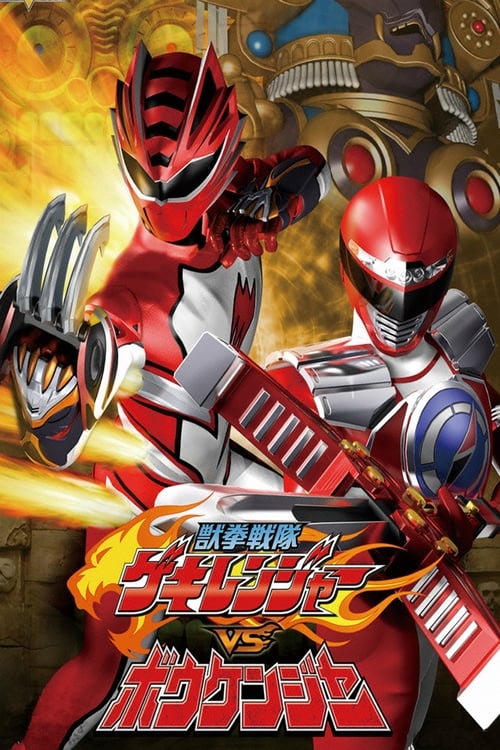
Juken Sentai Gekiranger vs. Boukenger
2008
No user ratings available yet
Representation score: 4.7 out of 10
Representation Score
Fair
2017
Director
Noboru Takemoto
Runtime
64 minutes
Average Rating
No ratings yetNew Showbiz Analysis
The film follows typical genre conventions, focusing on established heroic clichés and maintaining team dynamics. It relies on traditional storylines and the preservation of order rather than challenging social norms. While female characters have active combat roles, the film does not intentionally address social hierarchies. The representation remains conventional and functional within the hero/villain conflict. Overall, the production reflects its cultural context without actively seeking diverse or characters who reflect more than one aspect of diversity.
Category Breakdown
The film follows traditional structures that assume everyone is straight or cisgender. There are no non-cisgender identities or same-sex relationships. The focus remains on combat and team unity.
Female characters participate in high-stakes combat alongside males. While this avoids extreme submissive femininity, the film does not actively challenge traditional gender roles.
The cast is mostly made up of people from similar backgrounds, reflecting the Japanese cultural themes of ninjas. The production does not use actors from different racial backgrounds to break ethnic stereotypes.
The story reinforces a traditional moral framework where protectors fight against threats. It emphasizes teamwork and social stability rather than questioning institutional norms.
There are no characters with visible or invisible disabilities. The story does not use neurodivergence or physical disability to explore character development.
Present on Screen
Limited or Absent
Official Synopsis
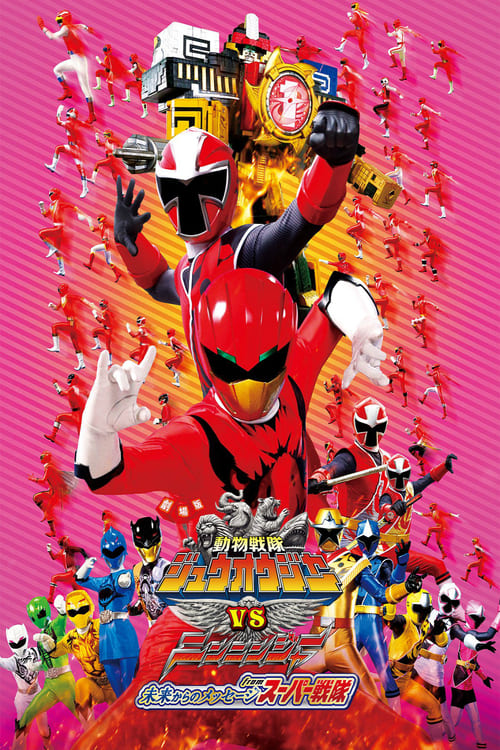
The chronology of Super Sentai may, at last, be at an end. A boy has arrived from the future to save the earth from catastrophe. Yamato and his team are not aware that they are part of the enemy's plans. The Ninningers, who once protected Earth, have returned! And this time, they believe the Zyuohger are Yokai monsters! This battle will be the end of both teams. Will the message of the future boy get to Yamato in time? An unbelievable roll call that brings together all the Rangers of the Super Sentai! In 2017 the battle of all battles begins!
2008

2021
2021
2021
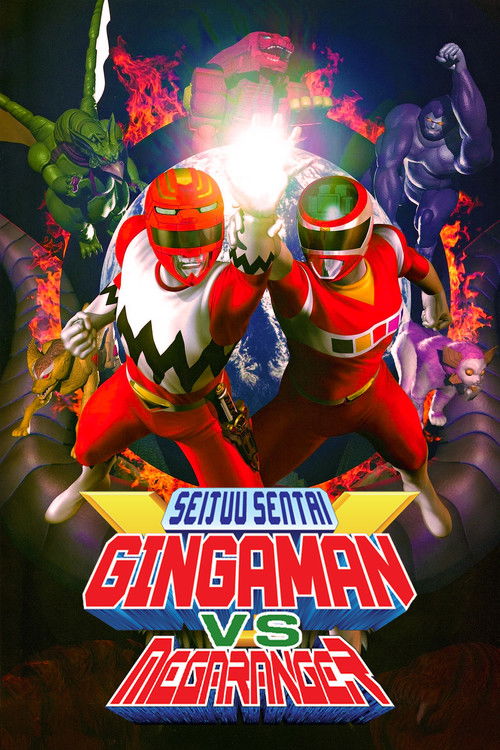
1999
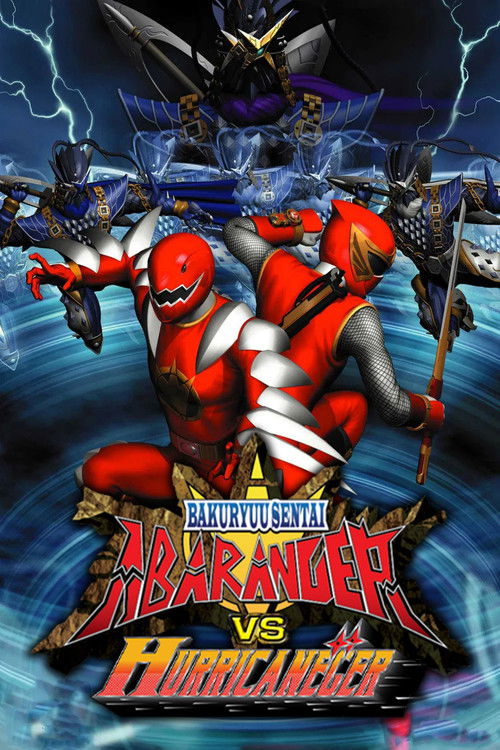
2004
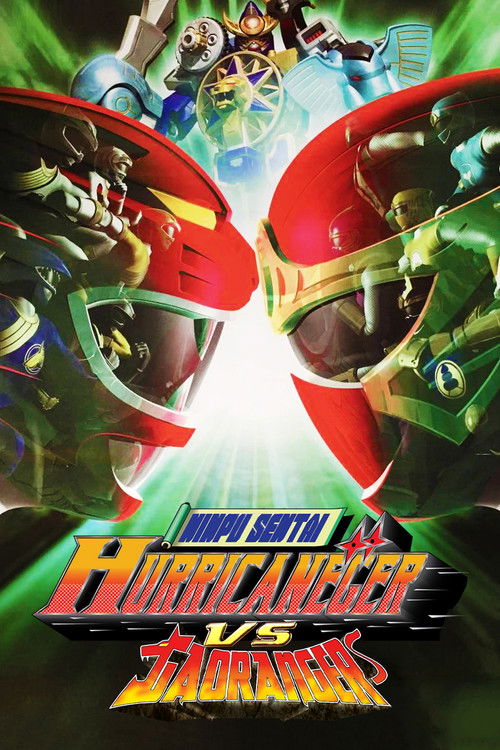
2003
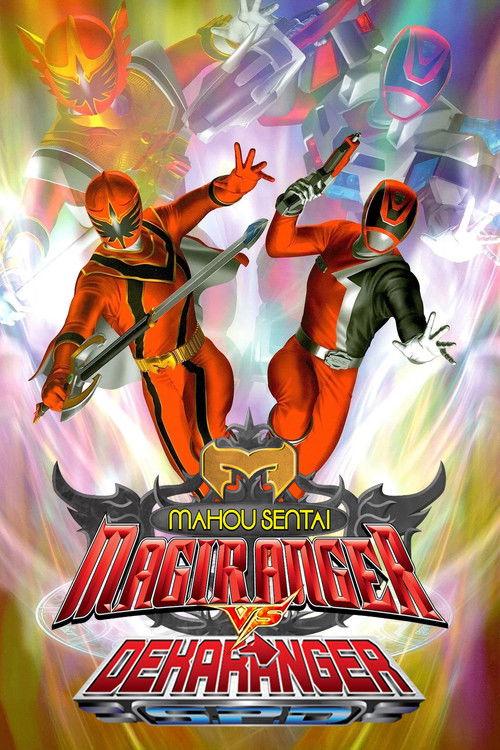
2006
No reviews yet. Be the first to share your thoughts on this movie!
Use the rating form above to leave a star rating and optional review.