The Pearl
1929
No user ratings available yet
Diversity score: 1.5 out of 10
No Poster Available
1901
Director
Frederick S. Armitage
Runtime
1 minutes
Average Rating
No ratings yetSynopsis
In this picture there is a limited amount of action in the pose. As the curtains are drawn aside the shell appears shut. It gradually opens, disclosing the model curled up in a recumbent position. She slowly arises as if awakening, and gracefully assumes the final position of the pose.
Overall Score
Minimal
Category Breakdown
LGBTQ+ Representation
The film lacks LGBTQ+ characters or narratives addressing non-cisnormative identities. It focuses on a singular female subject in a classical pose, offering no queer thematic exploration.
Gender Representation
While the film centers on a female subject, she is framed through traditional tropes of aesthetic grace. The representation treats femininity as a visual object rather than subverting gender hierarchies.
Racial & Ethnic Diversity
There is no evidence of a diverse cast or intersectional casting. The film appears to follow the homogeneous casting patterns typical of its historical era.
Religious & Cultural Diversity
The work adheres to early 1900s formalist traditions, focusing on classical beauty and staged artifice. It does not engage with political, religious, or complex cultural themes.
Disability Representation
The film emphasizes physical ability and aesthetic perfection through the model's graceful movements. There is no indication of characters with visible or invisible disabilities.
Strengths
Areas for Improvement
AI Analysis
Birth of the Pearl is a primitive cinematic experiment functioning as a tableau vivant. It prioritizes the capture of movement and light over the development of complex, intersectional narratives. As a historical artifact, the film is limited by the formalist performance standards of 1901. It lacks the narrative depth required to address social identities, focusing instead on a singular, choreographed movement within a highly stylized framework. Ultimately, the film serves as a demonstration of early filmic technique rather than a vehicle for social representation. It reflects the era's preoccupation with classical beauty rather than modern progressive media values.
1929
1907
1903
1904
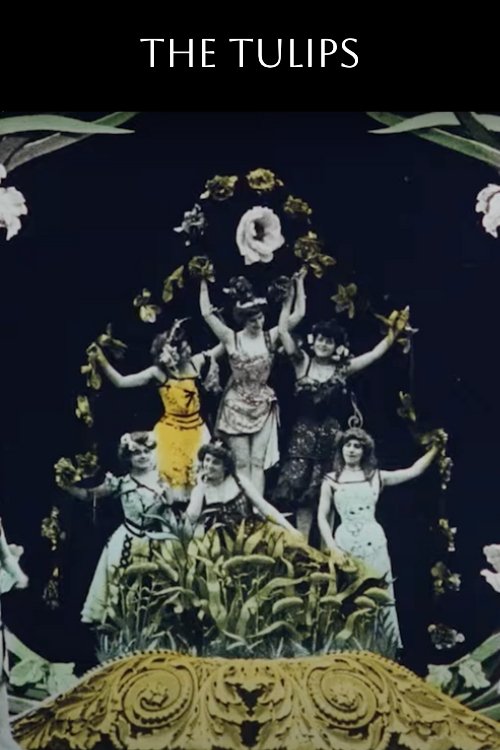
1907
1908
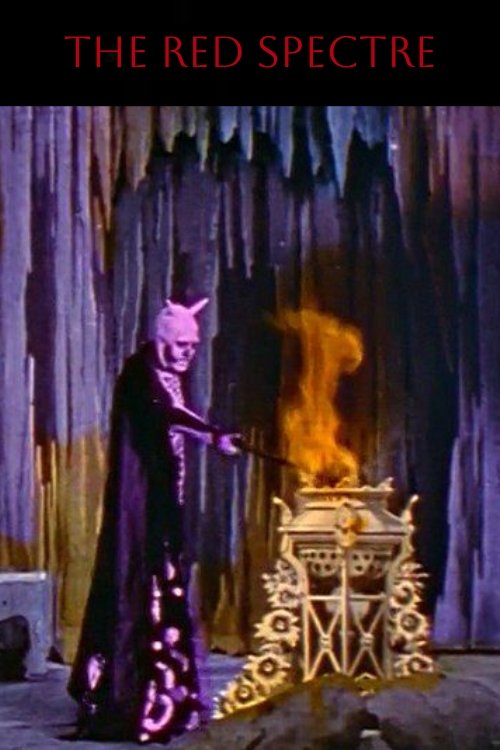
1907
1908
1905
1907
1900
1898
No reviews yet. Be the first to share your thoughts on this movie!
Use the rating form above to leave a star rating and optional review.