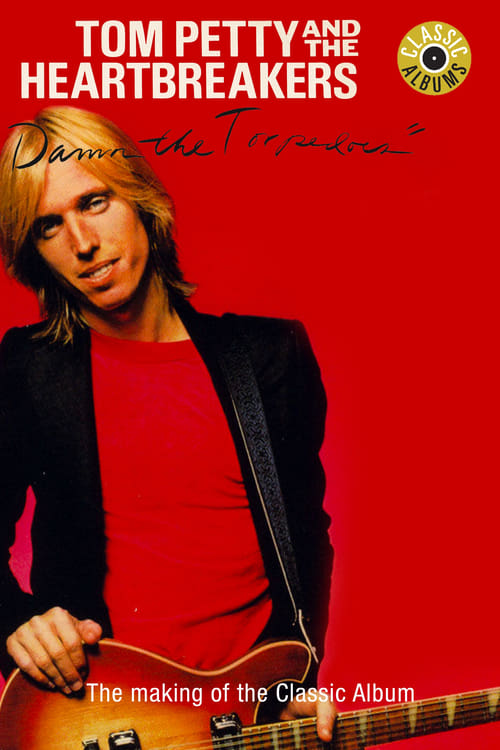
Classic Albums: Tom Petty & The Heartbreakers - Damn the Torpedoes
2010
No user ratings available yet
No diversity score available

2008
Director
Matthew Longfellow
Runtime
52 minutes
Average Rating
No ratings yetSynopsis
A documentary about the making of John Lennon's seminal solo debut album, "Plastic Ono Band," featuring historical analysis and playbacks of the original multi-track session tapes. Includes interviews with the musicians and personnel involved with the recording sessions as well as Lennon's widow Yoko Ono and other associates of the Lennons.
Overall Score
Fair
Category Breakdown
LGBTQ+ Representation
The film centers on the heteronormative partnership of Lennon and Ono. While the era touched on shifting gender expressions, there is no specific evidence of queer-centric dialogue or non-cisnormative character arcs.
Gender Representation
Yoko Ono is presented as a central creative collaborator rather than a passive spouse. The film grants her significant agency, positioning her as an intellectual force behind the album's conceptualization.
Racial & Ethnic Diversity
The documentary reflects the demographic homogeneity of the 1969 Western recording industry. The interviewees and session musicians depicted represent a specific, largely non-diverse cohort of Western artists.
Religious & Cultural Diversity
The narrative explores a shift toward secular, introspective spirituality. It highlights Lennon's move away from polished pop toward a raw, psychological honesty that challenges established social institutions.
Disability Representation
The film treats the artist's mental health and emotional vulnerability with professional nuance. It frames his intense psychological landscape as a profound form of expression rather than using it as a trope.
Strengths
Areas for Improvement
AI Analysis
This documentary serves as a technical and historical retrospective of a pivotal musical era. It succeeds in subverting traditional gender hierarchies by elevating Yoko Ono's role as a vital creative partner in the recording process. However, the film is constrained by the demographic realities of the late 1960s music industry. The cast of musicians and interviewees lacks significant racial and ethnic diversity, reflecting the era's homogeneity. Ultimately, the work finds its strength in psychological depth. By focusing on individual emotional truth and the deconstruction of the celebrity persona, it offers a progressive look at the intersection of art and vulnerability.
2010
2006
2010
2003
2001

2005

2018

2008

2003

2007
2011
1969
No reviews yet. Be the first to share your thoughts on this movie!
Use the rating form above to leave a star rating and optional review.