#BKKY
2017
No user ratings available yet
Representation score: 6.3 out of 10
Representation Score
Fair
2020
Director
Mayumi Komatsu
Runtime
61 minutes
Average Rating
No ratings yetNew Showbiz Analysis
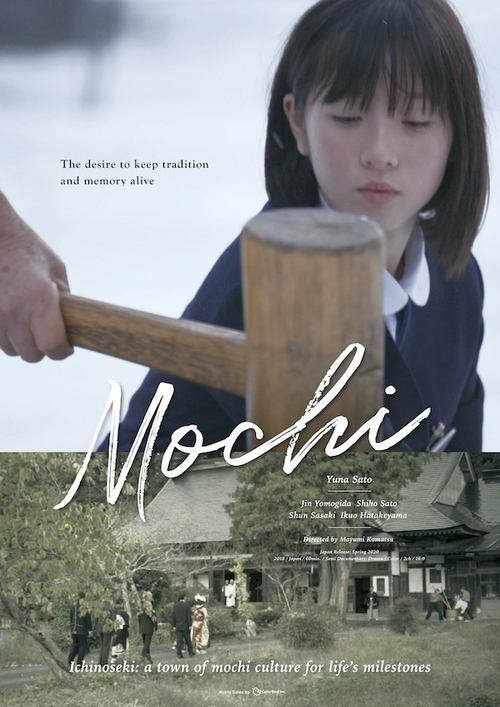
Mochi offers a localized, character-driven exploration of identity and transition. By centering on Yuna's internal growth, the film prioritizes individual experience over external power structures. While the film successfully provides a female-centric coming-of-age perspective, it remains limited in its scope of representation. The narrative lacks explicit engagement with LGBTQ+ themes or diverse multi-layered identities. Ultimately, the film serves as a culturally specific study of impermanence. It employs metaphorical elements to navigate the transition from adolescence to adulthood without addressing broader systemic hierarchies.
Category Breakdown
The film does not include any explicit references to LGBTQ+ identities or themes. Although the introspective nature of the story might allow for subtle hints, there are no visible LGBTQ+ themes present.
The story focuses on a young woman's journey of self-discovery and identity. It avoids male-centric perspectives by emphasizing the internal growth of a female protagonist during a crucial period of development.
Set within a Japanese cultural context, the film's representation is specific to its setting. There is no additional information about diverse identities within the social fabric.
The use of 'mochi' as a protective symbol indicates a departure from Western narrative structures. It leans towards a more fluid, metaphorical, or spiritual interpretation of reality and memory.
There are no characters with visible or invisible disabilities in the narrative.
Present on Screen
Limited or Absent
Official Synopsis
Over the course of the summer until her graduation, with changes she can't control but also being protected by the mochi which looks over important times, Yuna, a 15-year old student begins to change so that she will not forget.
2017

2015
2013
2014
2022

2018

1996
2016
No reviews yet. Be the first to share your thoughts on this movie!
Use the rating form above to leave a star rating and optional review.