The Friend
2025
No user ratings available yet
Representation score: 6.0 out of 10
Representation Score
Limited
2009
Not RatedDirector
George LaVoo
Runtime
80 minutes
Average Rating
No ratings yetNew Showbiz Analysis
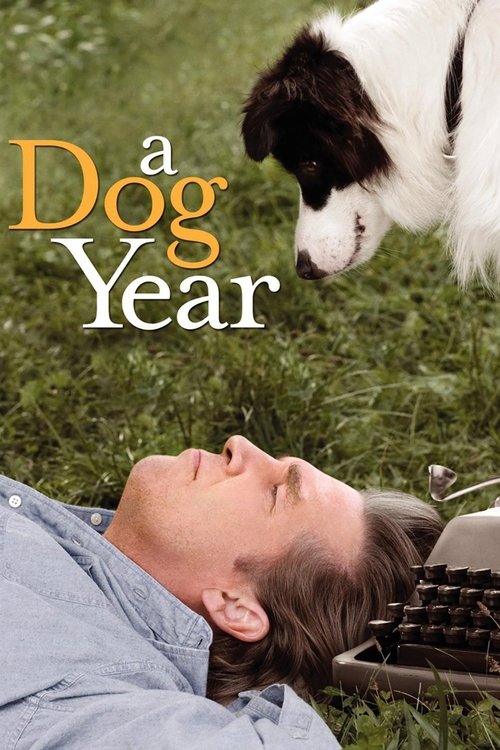
A Dog Year operates as a conventional character study, prioritizing individual emotional recovery and the bond between a man and his pet. The narrative structure remains firmly rooted in traditional storytelling, focusing on personal midlife crises rather than social identity. The film lacks engagement with systemic hierarchies or the deconstruction of cultural norms. Instead, it explores the friction within established Western institutions, such as the nuclear family, through a lens of individualist struggle.
Category Breakdown
The film focuses on a heterosexual marriage and a man's relationship with his dog. There is no representation of LGBTQ+ identities or narratives that question the assumption that everyone is straight or cisgender.
The story centers on a male protagonist's struggle with emotional regulation and professional stagnation. Female characters play a significant role by leaving the household, but the narrative follows a conventional domestic drama structure.
The film appears to center on a predominantly white, middle-class domestic setting. There is no indication of a diverse cast or the integration of non-Anglo-Saxon perspectives.
The narrative adheres to traditional Western storytelling clichés regarding personal growth and companionship. It depicts friction within Western institutions like the nuclear family rather than offering a systemic critique.
The protagonist's burnout and writer's block serve as standard character development tools. There is no documented representation of human neurodivergence or physical disability portrayed through specialized casting.
Present on Screen
Limited or Absent
Official Synopsis
Jon Katz is close to burnout. He's a writer with writer's block; his wife has left for her sister's because he's emotionally distant; he rarely answers his phone. A kennel sends him a border collie that's undisciplined because of abuse. Despite a series of mishaps, Jon decides to keep trying with the dog, and he rents a dilapidated farm house to give the dog room to run. A local handyman refers Jon to a woman who might be able to help him train the dog. Reluctantly, Jon gives her a try. Is the dog the problem, or the owner?
2025
2021
2001

2016
2019
2012

2012
2013
No reviews yet. Be the first to share your thoughts on this movie!
Use the rating form above to leave a star rating and optional review.