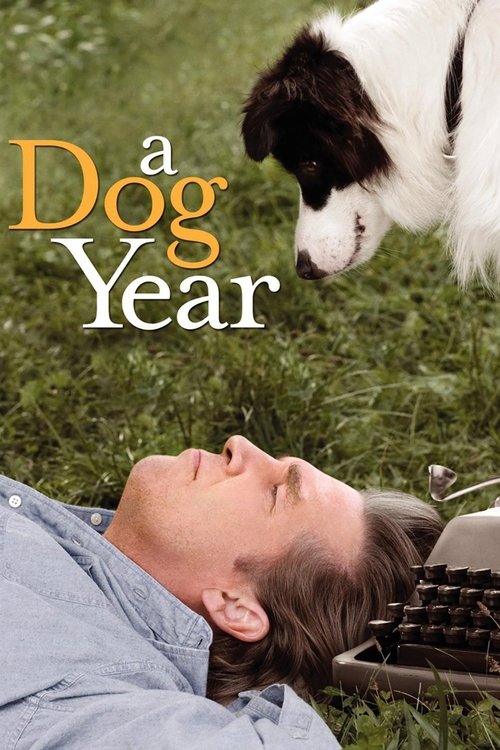
A Dog Year
2009
No user ratings available yet
Representation score: 2.1 out of 10

Representation Score
Limited
2001
Director
Bobby Roth
Runtime
85 minutes
Average Rating
No ratings yetNew Showbiz Analysis
Jack the Dog is a traditional character drama that centers on individual psychological realism rather than systemic representation. The narrative focuses on a homogeneous demographic, offering limited disruption to established social hierarchies. The film leans heavily on traditional Western dramatic structures. While it delves into the intricacies of infidelity and fatherhood, it does so through a narrow lens that lacks diverse cultural or ethnic perspectives. Ultimately, the story serves as a mid-life character study, remaining centered on a specific socioeconomic milieu and excluding most underrepresented identities and diverse lived experiences.
Category Breakdown
The film doesn't prominently feature LGBTQ+ identities or narratives. Romantic conflicts are based on traditional heterosexual relationships, with no clear indication of queer-coded subtext or non-binary identities.
Jack challenges typical masculine stereotypes through emotional openness, while the story emphasizes his personal growth. Faith takes control by leaving her marriage, but the plot still focuses on male development.
The film's setting and cast represent a mostly white, middle-to-upper-class community. The story unfolds within a uniform social structure without incorporating diverse ethnic viewpoints.
The film examines Western interpersonal values and the sanctity of the nuclear family. It adheres to conventional Western dramatic themes concerning domestic morality and parental roles.
The film does not depict any significant physical, sensory, or neurodivergent disabilities. Characters face challenges that are primarily psychological and interpersonal.
Present on Screen
Limited or Absent
Official Synopsis
Jack is a dog. When he's not photographing women, as a profession, he's seducing them. Until now. Home from Paris, he feels empty and fed up with his promiscuous lifestyle. With his pal Buddy as a witness, Jack vows to find love and settle down. Jack keeps his word and marries Faith, but it's hard to teach an old dog new tricks. Even though they've had a child together, Jack soon falls into old patterns. He does his best to hide his infidelity, but Faith is not fooled. She leaves him, and takes their son Sam with her. Realizing how important Sam is to him, Jack pulls his act together and wins custody. Getting to know his son on a new level, Jack finds the one thing he's been longing for: pure, unconditional true love.
2009
2025

2012
1995

1971
2006

2001

1993
No reviews yet. Be the first to share your thoughts on this movie!
Use the rating form above to leave a star rating and optional review.