We're All Gonna Die
2025
No user ratings available yet
Diversity score: 6.1 out of 10
2006
Not RatedDirector
Minoru Kawasaki
Runtime
98 minutes
Average Rating
No ratings yetSynopsis
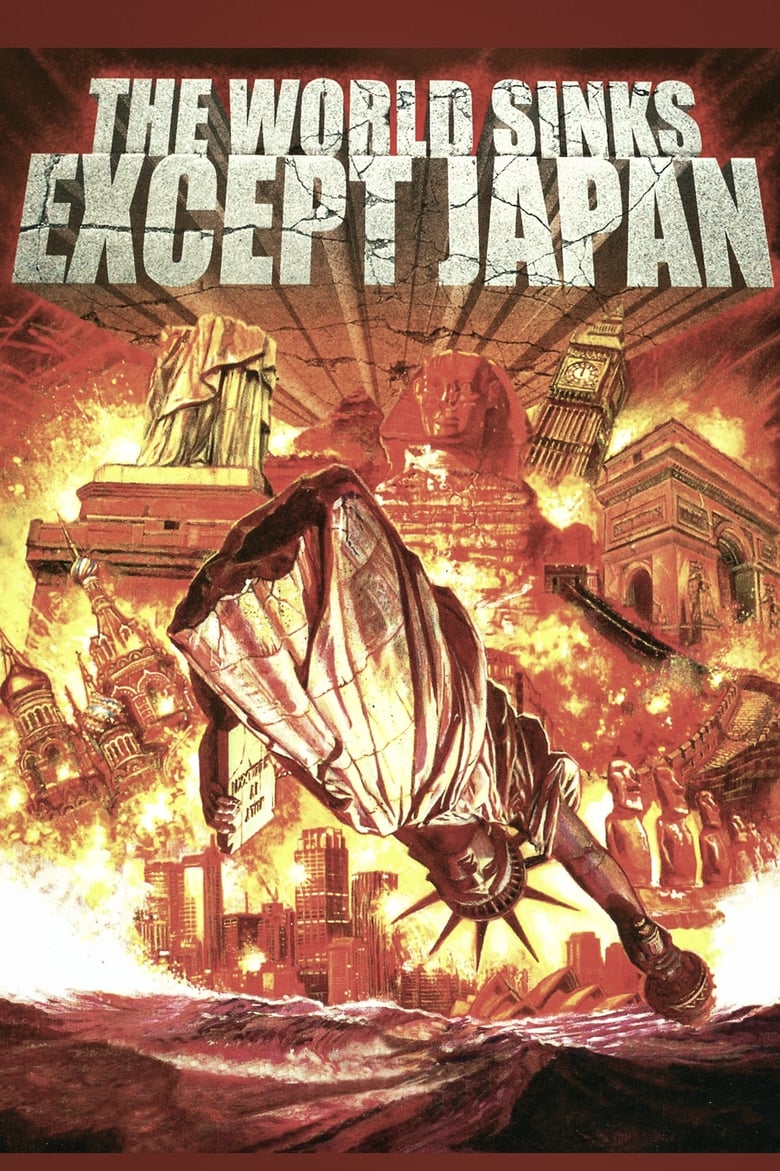
In the year 2011 the greatest tectonic disaster in the history of mankind has occurred. As a result of the catastrophic earthquakes North and South America, Eurasia, Africa and Australia have sunken underwater while the Japanese islands remain untouched.
Overall Score
Fair
Category Breakdown
LGBTQ+ Representation
The film maintains a neutral baseline for speculative comedy. No explicit evidence of queer identity or specific character arcs is present in the narrative.
Gender Representation
The absurdist comedy genre may disrupt traditional hierarchies through chaotic survival scenarios. However, there is no confirmation of specific subversions of masculinity or femininity.
Racial & Ethnic Diversity
The story focuses on a localized, ethnically homogeneous setting in Japan. This departs from the multicultural ensemble casts typically found in Western disaster films.
Religious & Cultural Diversity
The film subverts global power dynamics by centering a non-Western reality. It shifts focus away from Western-centric perspectives by depicting the collapse of global institutions.
Disability Representation
There is no evidence to suggest the inclusion of characters with visible or invisible disabilities.
Strengths
Areas for Improvement
AI Analysis
Minoru Kawasaki uses absurdist satire to deconstruct traditional geopolitical narratives. By centering the survival of Japan amidst a global cataclysm, the film avoids the Western-centric tropes common in disaster cinema. The narrative architecture prioritizes a localized, non-Western perspective. This structural choice challenges the standard globalist worldview by rendering traditional international power dynamics obsolete. While the film offers a radical departure from mainstream storytelling, it lacks specific details regarding intersectional identities. The focus remains on the sociological vacuum created by the sinking of the rest of the world.
2025
1982

2015
2008

2015
2007
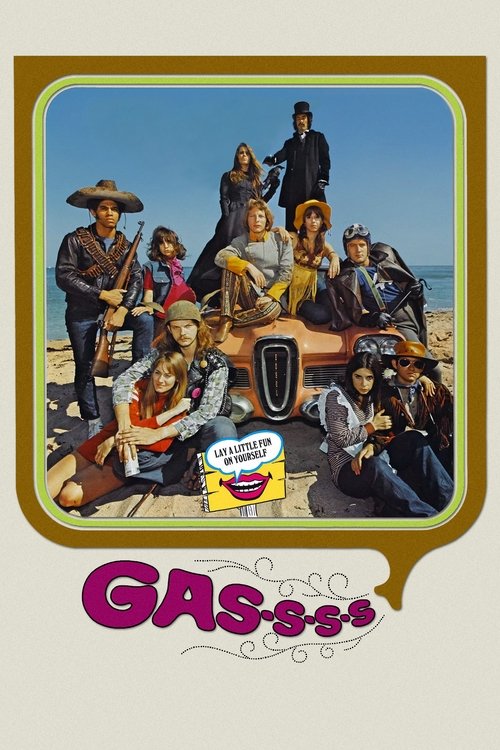
1970

1969

2011

2016
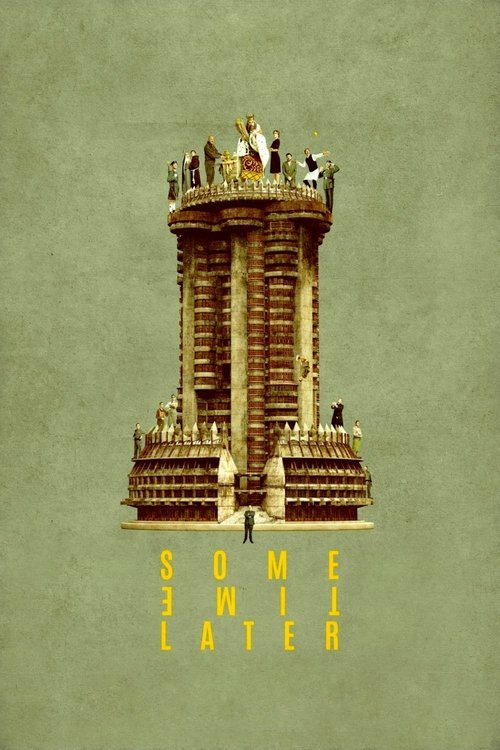
2018

2022
No reviews yet. Be the first to share your thoughts on this movie!
Use the rating form above to leave a star rating and optional review.