Black Ballerina
2016
No user ratings available yet
Representation score: 7.0 out of 10
Representation Score
Good
2015
GDirector
Nelson George
Runtime
85 minutes
Average Rating
No ratings yetNew Showbiz Analysis
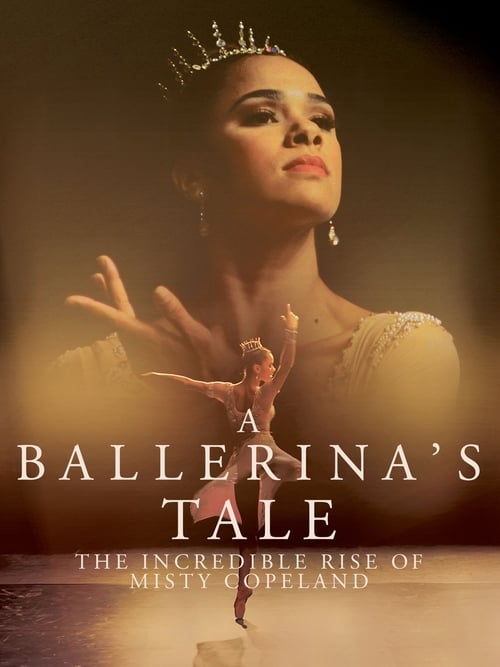
A Ballerina's Tale is a significant documentary that disrupts the conventional aesthetic expectations of the classical ballet world. By centering Misty Copeland, the film uses her personal journey to critique the systemic exclusivity of elite dance institutions. The film's greatest strength lies in its racial critique, providing a necessary counter-narrative to the Eurocentric standards of the genre. It successfully shifts the focus from mere performance to a deeper exploration of identity and systemic barriers. While the film offers a nuanced look at physical vulnerability and women's ability to drive the story, it lacks specific information regarding LGBTQ+ representation. The narrative remains primarily focused on race, gender, and the physical demands of the profession.
Category Breakdown
The documentary does not provide specific evidence regarding the depiction of LGBTQ+ identities or stories that challenge traditional norms.
The film centers on a female protagonist, highlighting her significant role in driving the story and showcasing her intense athleticism and determination. It challenges perceptions of fragility by emphasizing the physical and mental toughness needed to succeed in competitive environments.
The film excels by centering a Black woman in the traditionally white-dominated world of classical ballet. It provides a powerful counter-narrative to Eurocentric beauty standards and systemic racial exclusion, emphasizing the unique challenges faced by women of color in this field.
The narrative explores the tension between individual achievement and oppressive, traditionalist institutions. It critiques how established standards of perfection can act as tools of cultural exclusion, highlighting the impact of these standards on personal and professional life.
The film addresses physical vulnerability through the lens of a potentially career-ending injury. It integrates physical trauma into a broader discussion of how bodily limitations intersect with professional identity, illustrating the impact of such injuries on dancers' careers.
Present on Screen
Limited or Absent
Official Synopsis
A feature documentary on African American ballerina Misty Copeland that examines her prodigious rise, her potentially career ending injury alongside themes of race and body image in the elite ballet world.
2016
2011
2017

2009
2011
2018
2021
2016
No reviews yet. Be the first to share your thoughts on this movie!
Use the rating form above to leave a star rating and optional review.