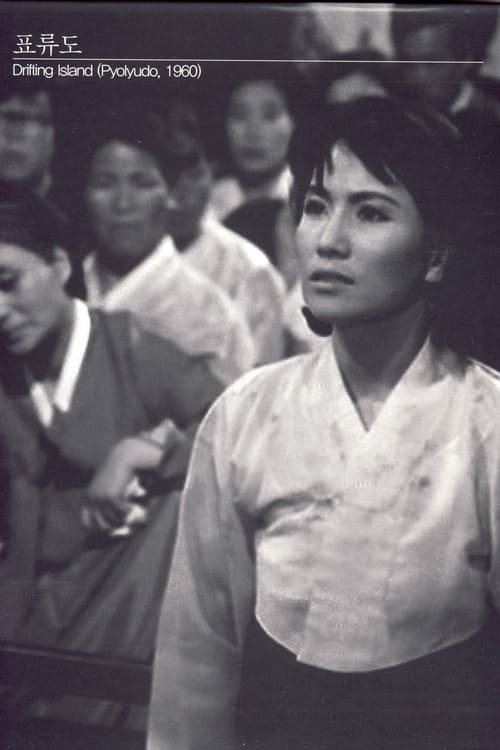
A Drifting Story
1960
No user ratings available yet
Representation score: 4.1 out of 10
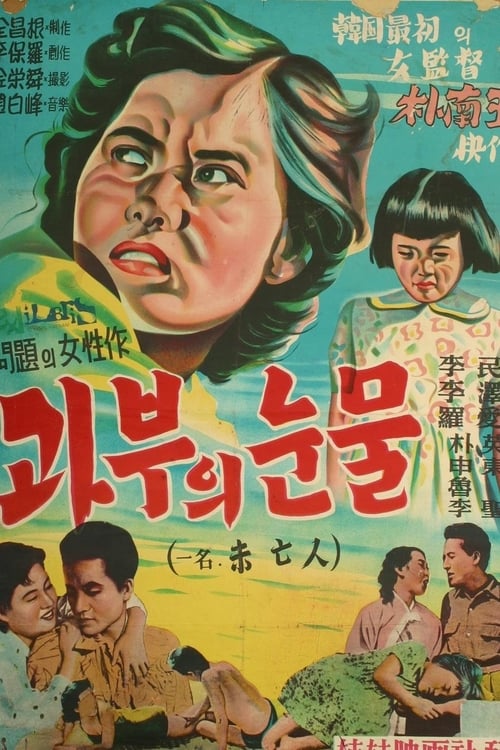
Representation Score
Fair
1955
Director
Park Nam-ok
Runtime
90 minutes
Average Rating
No ratings yetNew Showbiz Analysis
Park Nam-ok’s direction provides a significant departure from the patriarchal cinematic frameworks of the 1950s. By centering a widow's pursuit of economic and emotional autonomy, the film disrupts the cliché of the passive, mourning female. The narrative structure prioritizes the ability to act of a underrepresented figure navigating systemic prejudice. This focus on individual autonomy against societal judgment elevates the film beyond simple melodrama into a character study of social resistance. While the film excels in gendered storytelling and cultural specificity, it lacks representation for LGBTQ+ identities and disability. It remains a focused exploration of mid-century Korean social constraints.
Category Breakdown
The film focuses on the protagonist's search for love within established social frameworks. There is no explicit evidence of non-straight relationships or same-sex intimacy.
The film centers a woman's ability to act and survival, challenging traditional gender hierarchies. Lee Shin-ja's struggle against societal prejudice critiques the restrictive roles imposed by a patriarchal society.
The film offers a culturally specific, non-Western perspective through its South Korean setting. While the cast is ethnically homogeneous, it provides a vital East Asian lens on domestic drama.
The story explores the deconstruction of traditional social institutions and family structures. It portrays a nuanced approach to morality through the protagonist's complex interpersonal entanglements.
The available information provides no evidence regarding the depiction of physical or neurodivergent disabilities.
Present on Screen
Limited or Absent
Official Synopsis
Lee Shin-ja is a young widow, subject to the prejudices against her position in society. Trying to provide for her daughter as well as find love, Lee becomes entangled in the lives of her late husband's friend, his wife, and her lover.
1960
1960

1984
1951
1956
1985
2015
1956
No reviews yet. Be the first to share your thoughts on this movie!
Use the rating form above to leave a star rating and optional review.